Central Asian Countries Discussed the Draft Regional Agreement on International Disaster Response
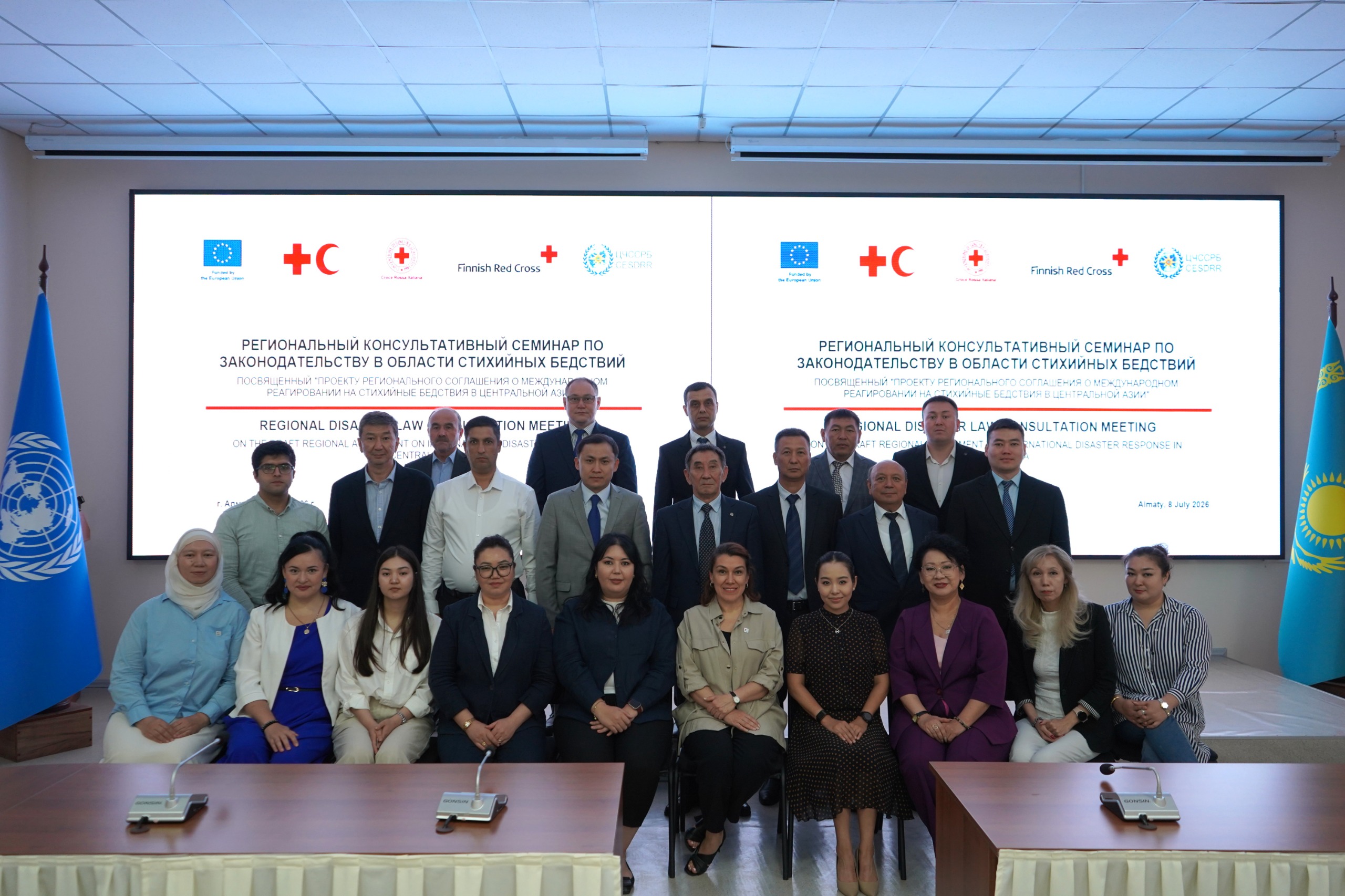
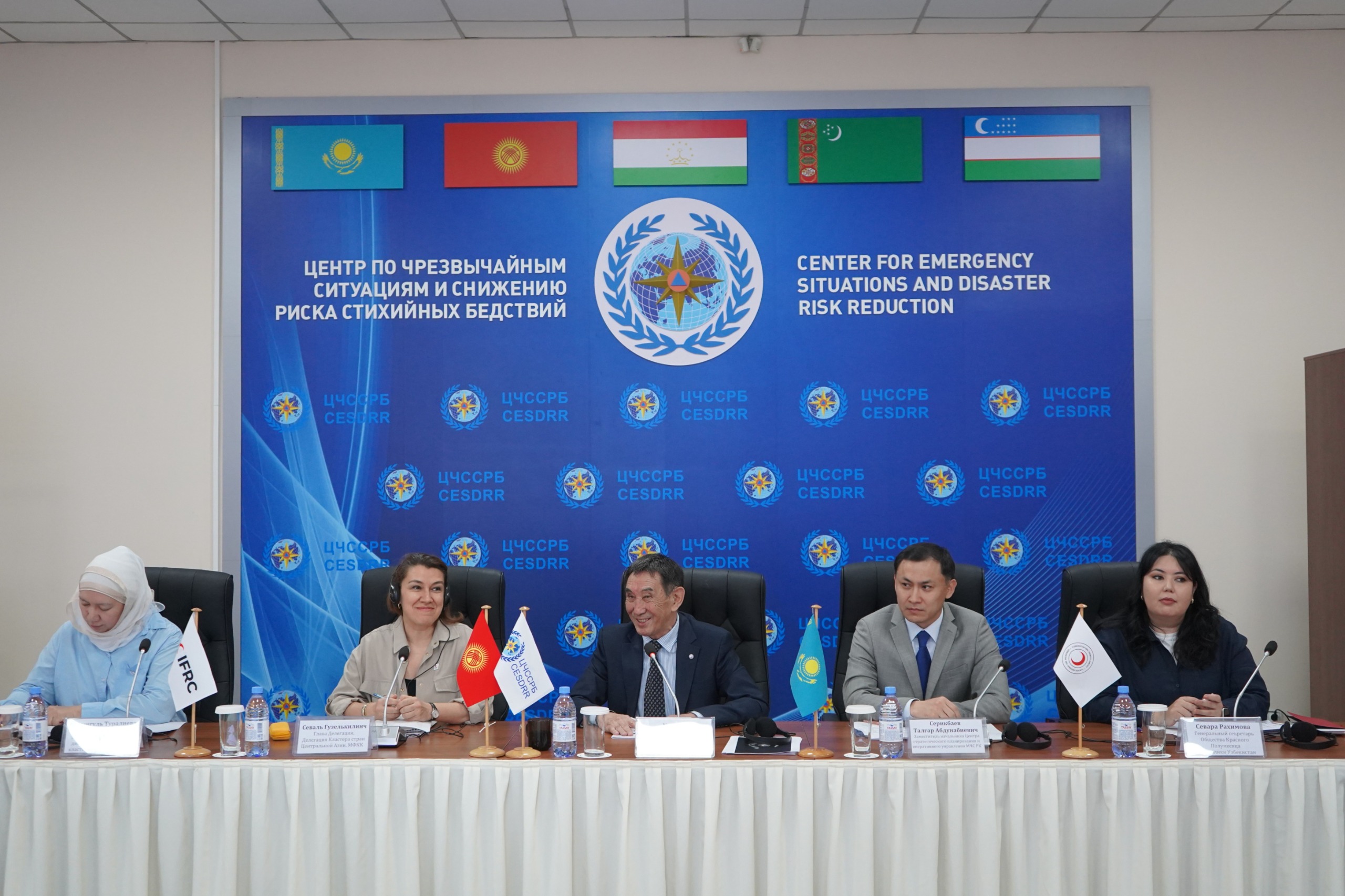
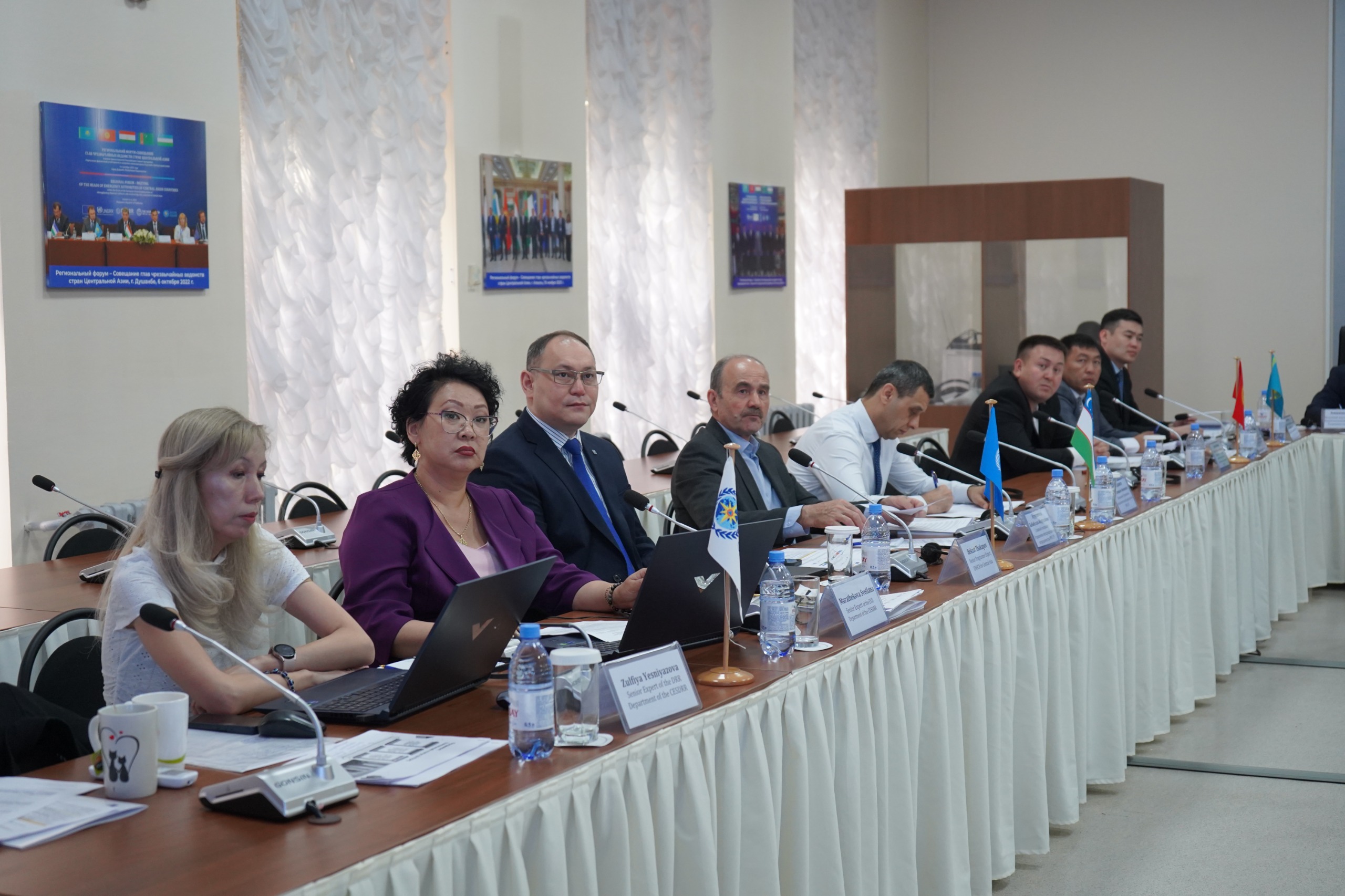
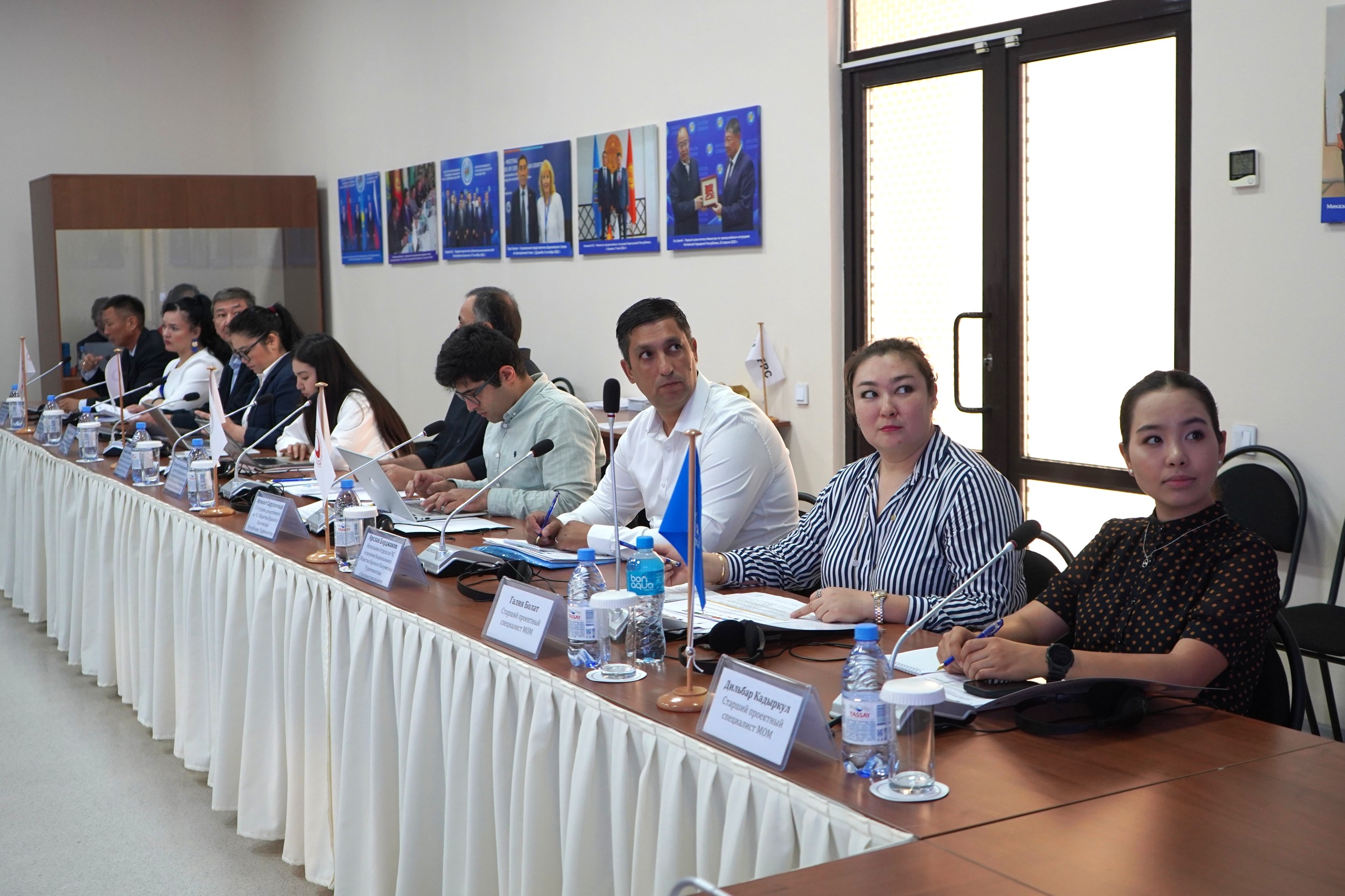
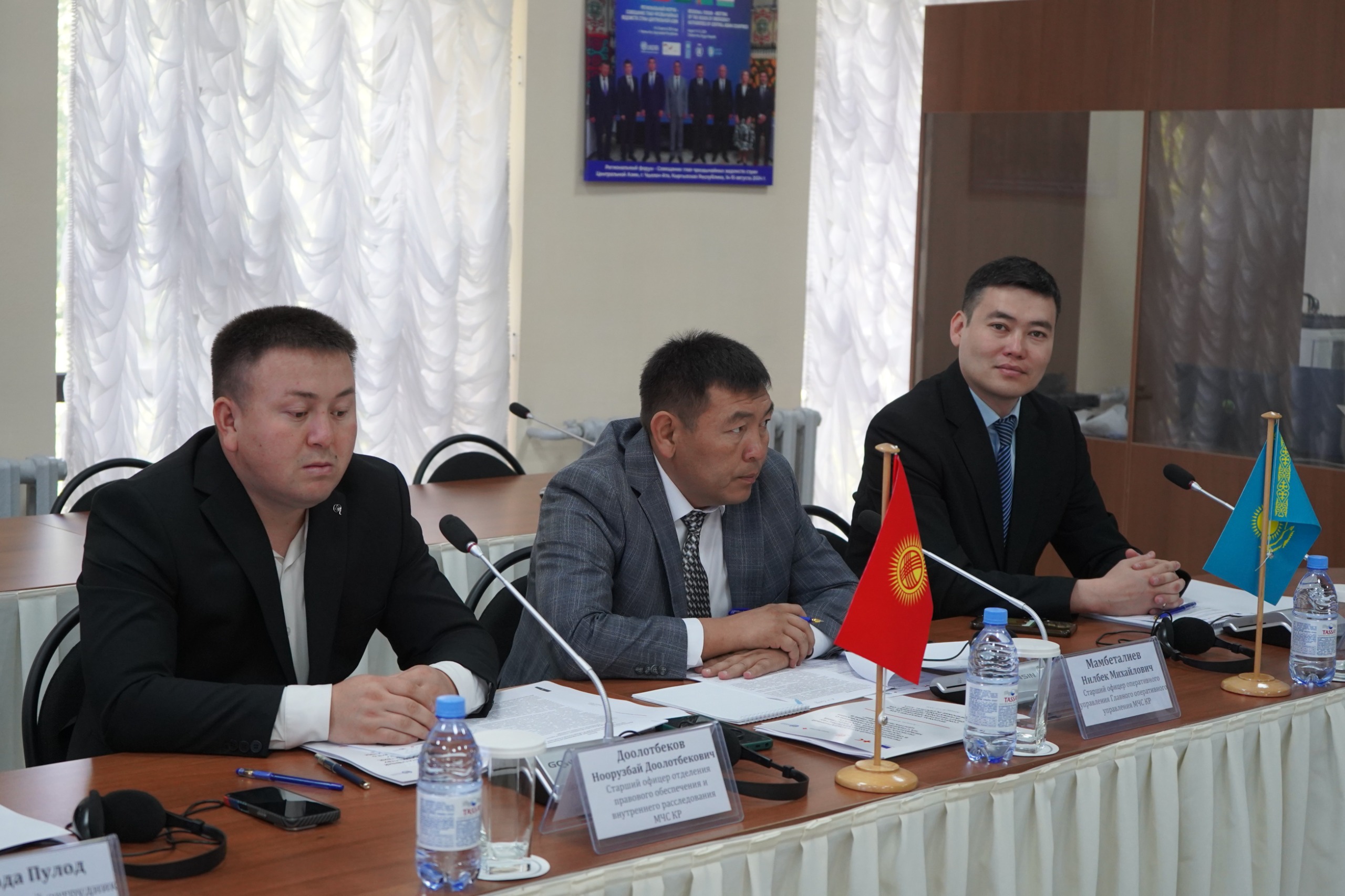
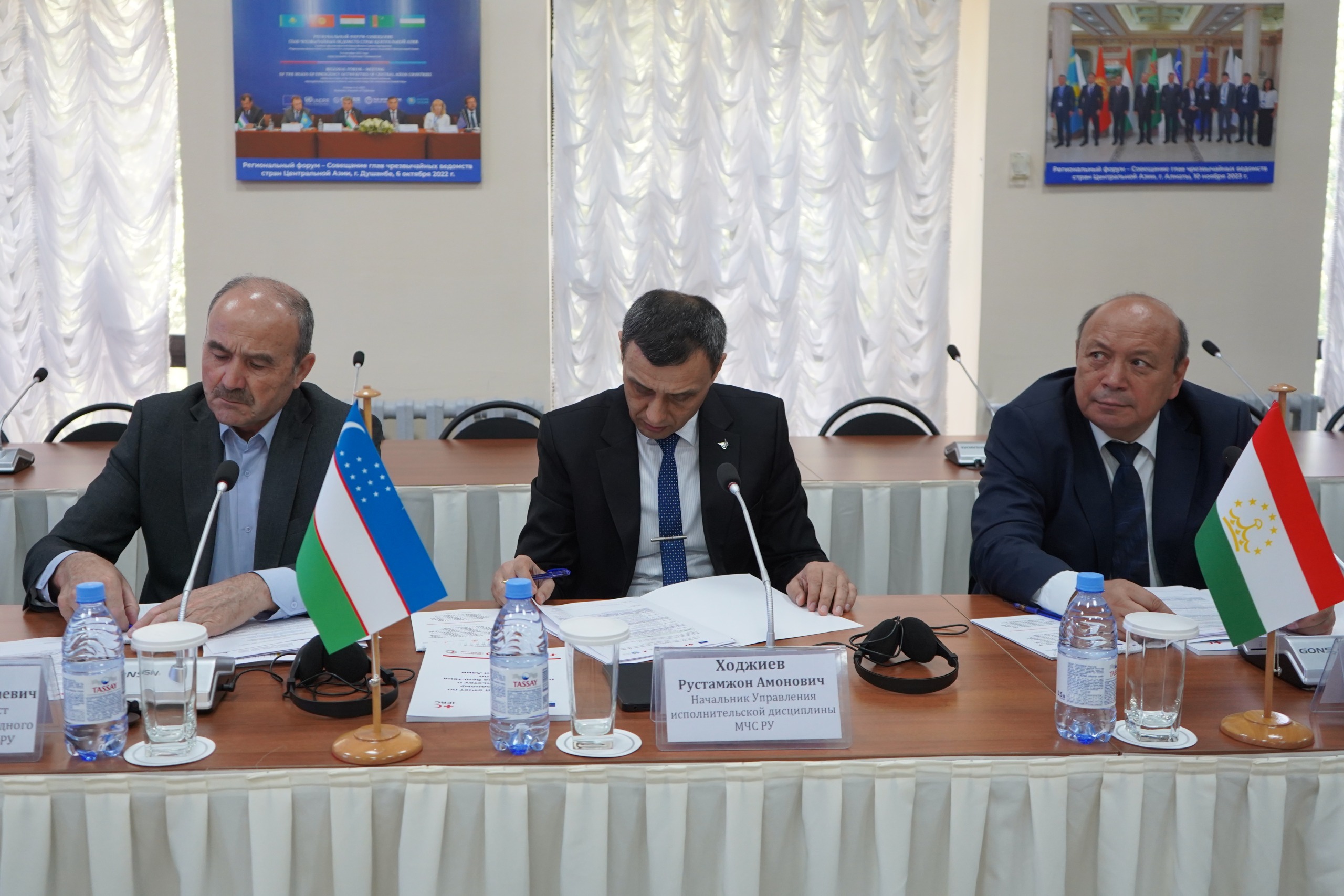
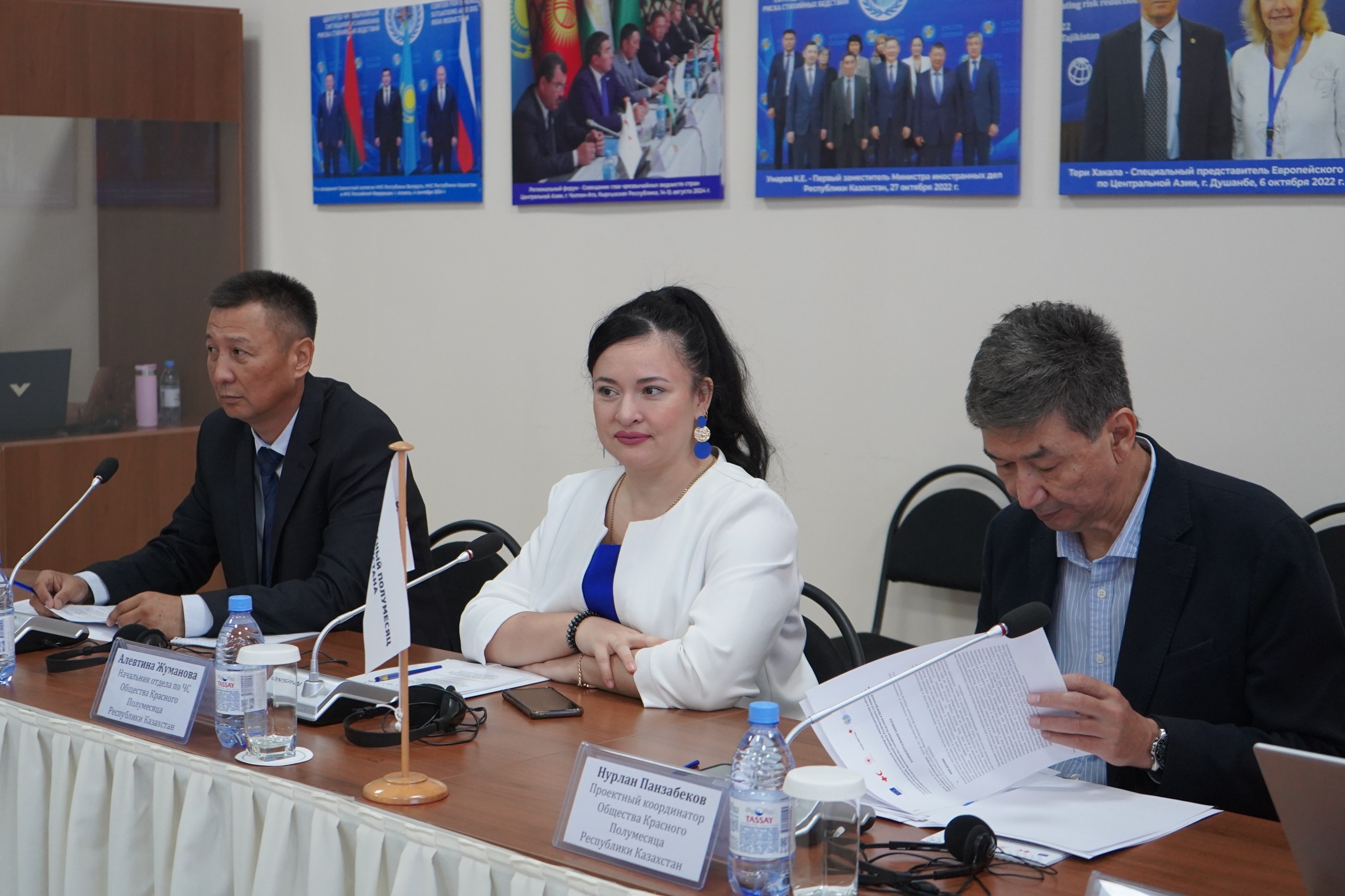
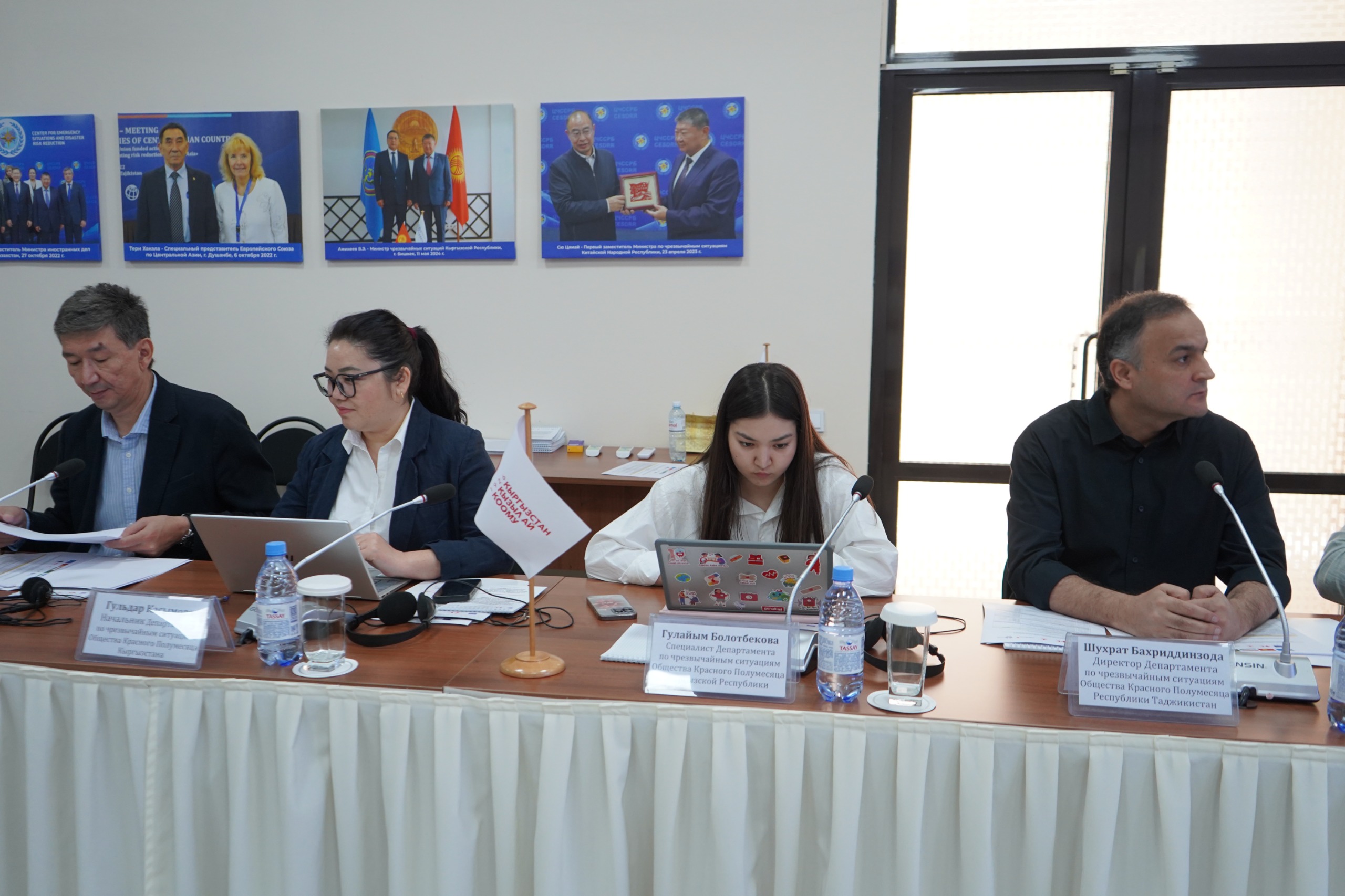
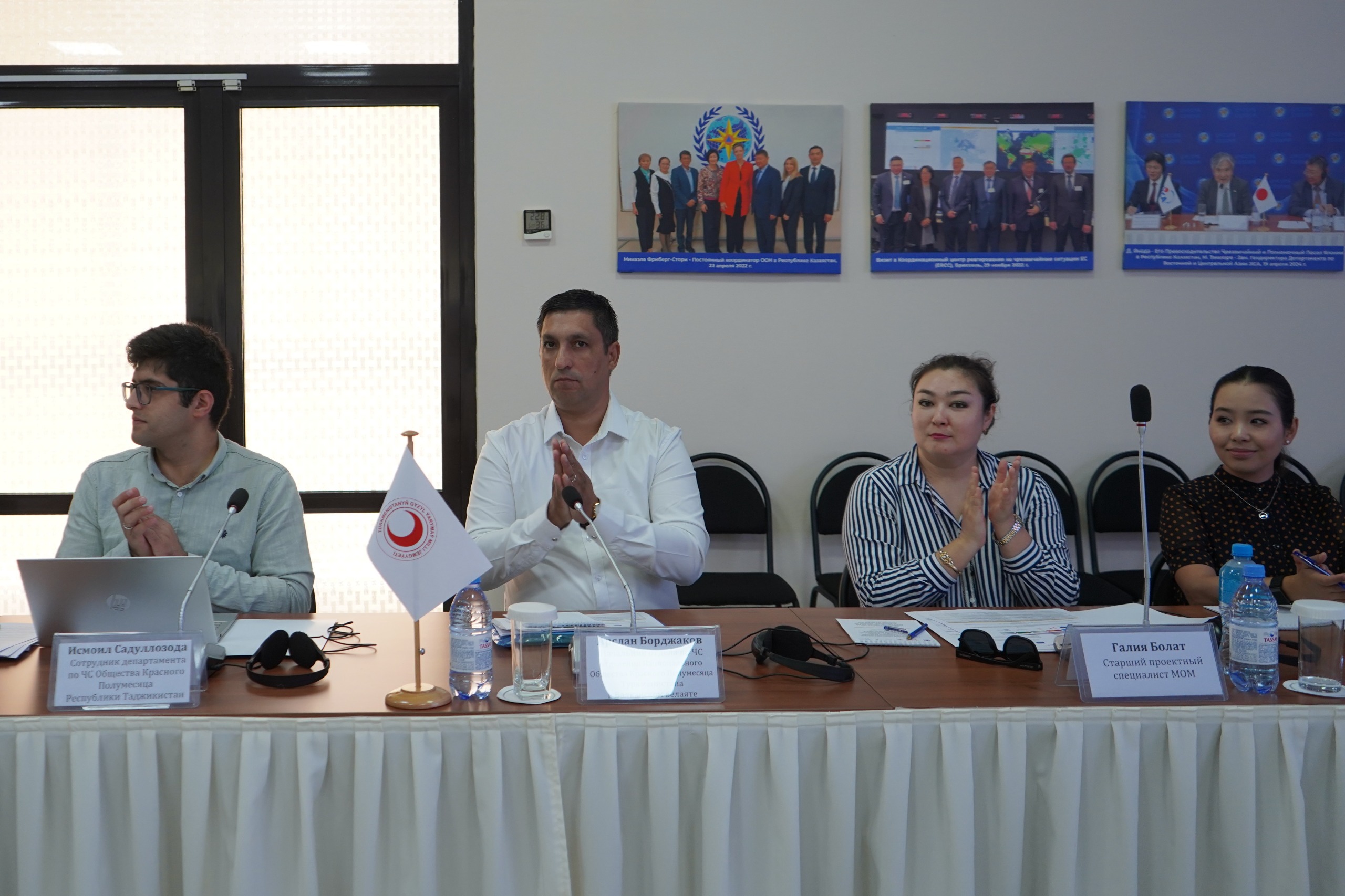
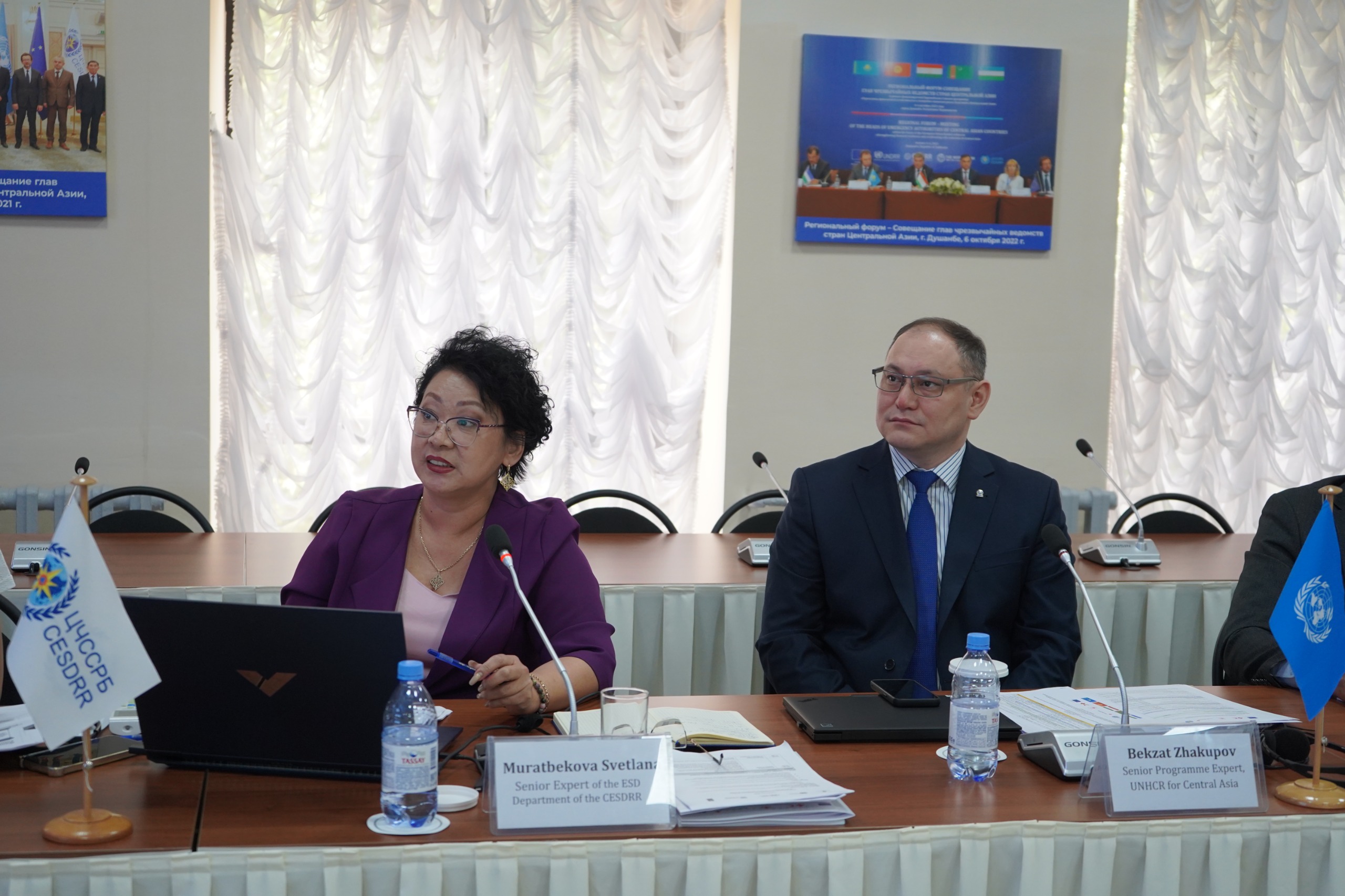
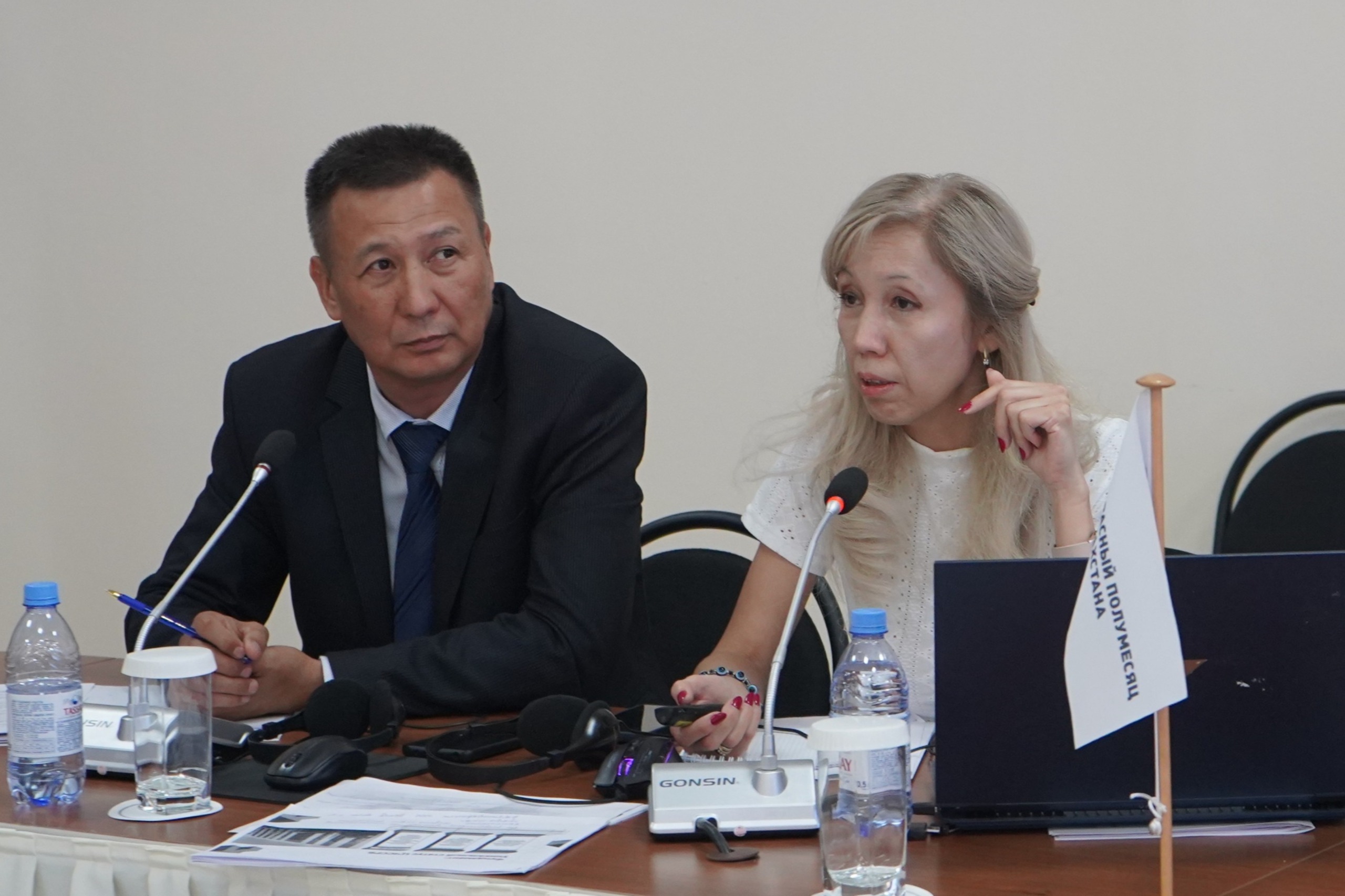
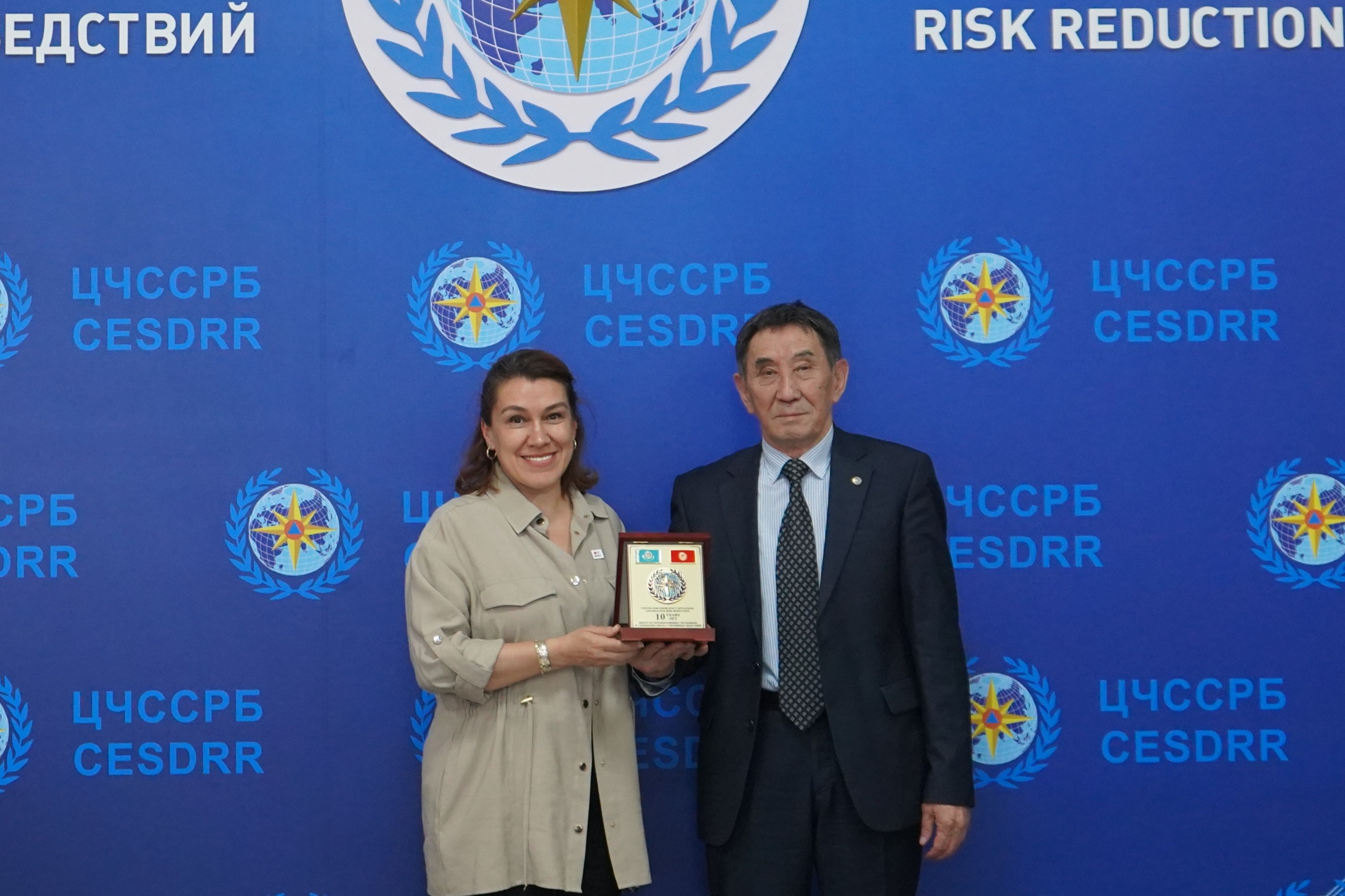
On 8 July 2026, the Center hosted the Regional Consultative Seminar on the Draft Regional Agreement on International Disaster Response in Central Asia. The event was jointly organized by the International Federation of Red Cross and Red Crescent Societies (IFRC) and the Center for Emergency Situations and Disaster Risk Reduction (CESDRR).
The seminar was held in a hybrid format. Participants included: Head of the IFRC Country Cluster Delegation in Central Asia Seval Guzelkilinch, delegations of emergency agencies of the Central Asian countries: Kazakhstan, Kyrgyzstan, Tajikistan, Turkmenistan and Uzbekistan, representatives of the national Red Crescent societies of the Central Asian countries, as well as the Italian Red Cross, as well as representatives of international organizations of the UN system.
With natural disasters becoming more frequent—earthquakes, floods, mudflows, and avalanches—Central Asia faces serious challenges to public safety. This requires the development of new legal and institutional solutions aimed at improving mechanisms for cross-border cooperation and strengthening regional coordination.
The workshop focused on improving the Regional Emergency Response Coordination Mechanism in Central Asia, defining the future role of the CEDRC as the Emergency Response Coordination Centre for Central Asia, and learning from the experiences of other regional centres, such as the European Union Emergency Response Coordination Centre (EU ERCC).
During the workshop, participants reviewed the draft Regional Agreement, developed with technical assistance from the IFRC, within the framework of the Humanitarian Implementation Project (HIP), funded by the European Commission's Directorate-General for Civil Protection and Humanitarian Aid (DG ECHO) and implemented in Central Asia until 2027.
Following the discussions, the seminar participants emphasizedneed forconsolidation of efforts and intensification of joint actions to strengthen legal mechanisms and develop regional cooperation, which will increase the region's resilience to natural disasters and minimize their consequences.
Further consideration of the draft Agreement, taking into account proposals received from representatives of emergency departments of the Central Asian countries, is scheduled for August 27 of this year as part of a meeting of the Working Group (experts) of the Regional Forum-Meeting of Heads of Emergency Departments of the Central Asian countries.