Project “Strengthening the System for Region-Wide Disaster Risk Reduction in Central Asia"
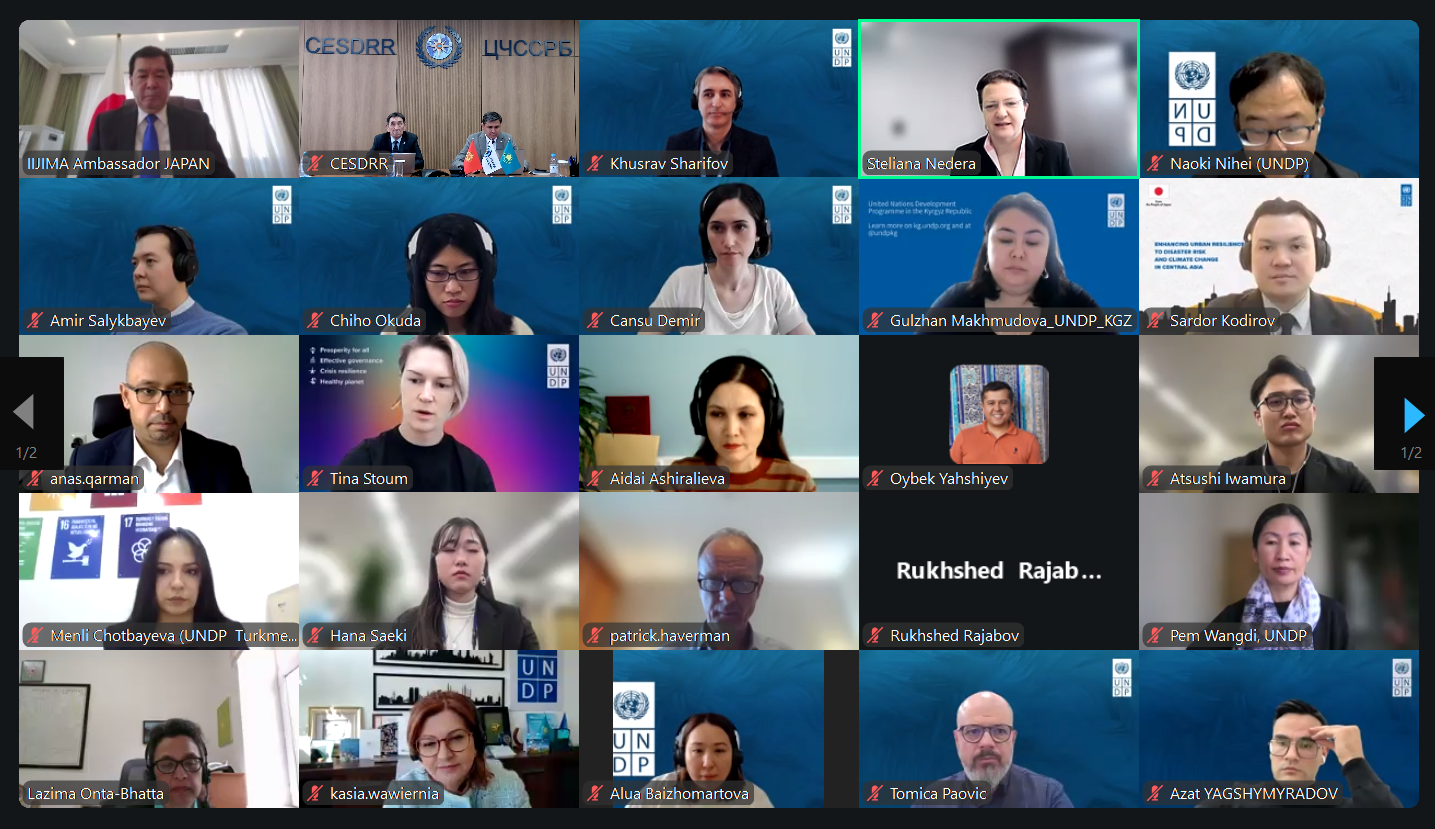
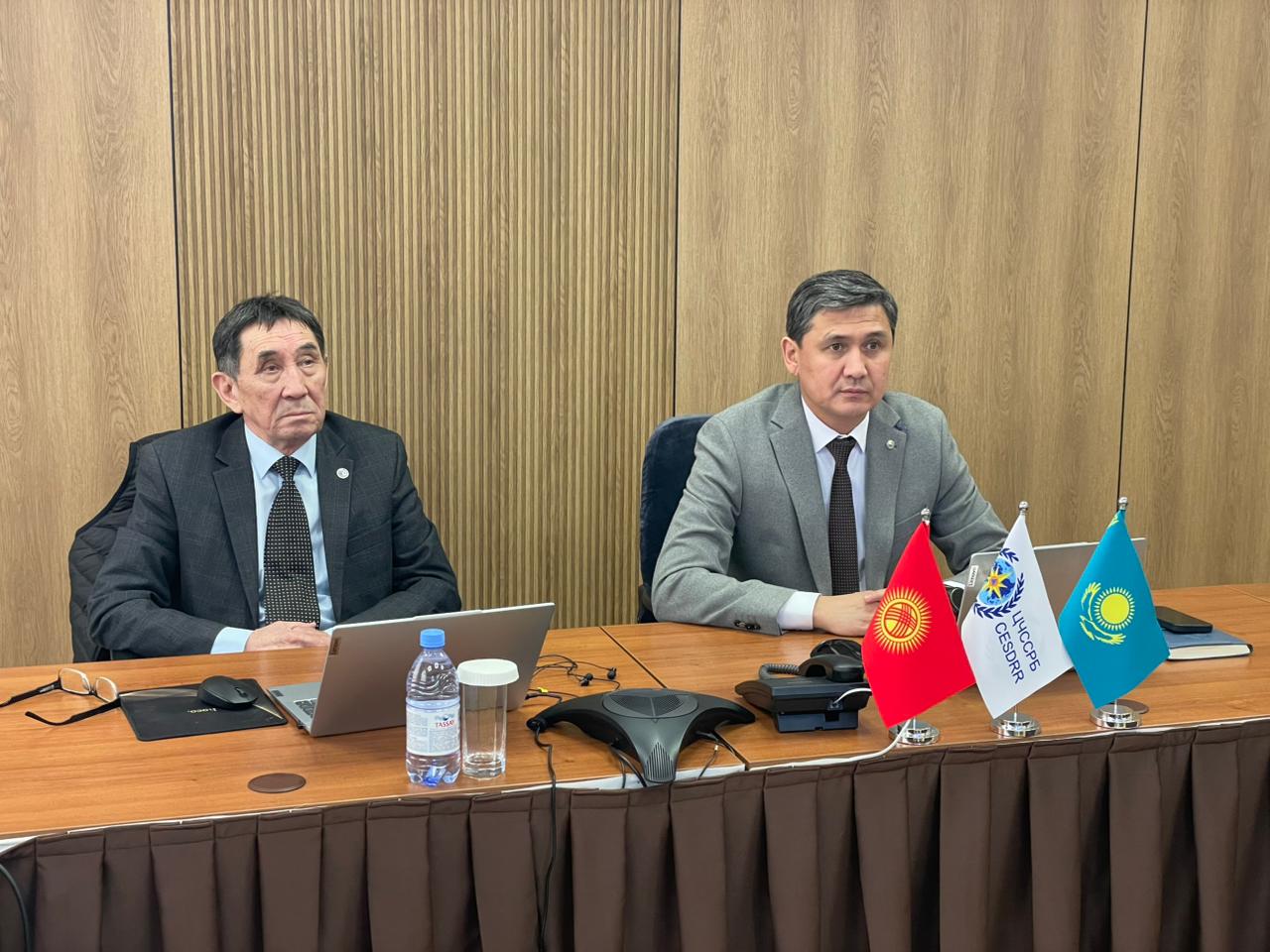
On 29 January 2026, the Center for Emergency Situations and Disaster Risk Reduction took part in a meeting of the Committee on the implementation of the regional project “Strengthening the System for Region-Wide Disaster Risk Reduction in Central Asia,” implemented with the financial and institutional support of the Government of Japan.
The Committee meeting served as an important platform for coordinating the efforts of Central Asian states and international partners in the field of disaster risk reduction and climate change adaptation. Regional experts from the United Nations Development Programme (UNDP), as well as the Ambassador Extraordinary and Plenipotentiary of Japan to the Republic of Kazakhstan, participated in the meeting, highlighting the high level of international attention to the project. During the discussions, it was noted that Japan is ready to share advanced technologies, practical experience, and innovative digital solutions in monitoring, early warning, and emergency response, aimed at enhancing public safety and protection.
During the meeting, interim results of regional initiatives implemented in Central Asian countries were presented and discussed, including the project “Enhancing Urban Resilience to Disaster and Climate Risks in Central Asia,” which focuses on strengthening national and regional capacities, promoting resilient cities, and reducing population vulnerability.
In addition, during the meeting, the UNDP Regional Office presented the new regional project “Strengthening the System for Region-Wide Disaster Risk Reduction in Central Asia,” outlining in detail its strategic objectives and key expected results.
The objective of the project is to support the five Central Asian countries in strengthening disaster resilience at both national and regional levels, with a particular focus on developing and enhancing regional coordination mechanisms for response to transboundary and large-scale disasters, as well as on raising public awareness and earthquake preparedness.
The expected project outcomes are aimed at strengthening the regional disaster risk governance architecture and include: enhancing the regional coordination mechanism for preparedness, response, and recovery; building capacity for the operational functioning of the Regional Emergency Response Coordination Mechanism; developing standard operating procedures and practical guidelines for responding to transboundary disasters; conducting regional training programmes and exercises on emergency coordination; expanding regional dialogue and knowledge exchange in earthquake preparedness; piloting earthquake early warning systems for selected sectors in Central Asian countries; and developing and testing tools and training materials on earthquake preparedness.
Particular emphasis was placed on the role of the Center in implementing the project in two phases as a key regional partner, possessing the relevant interstate mandate, institutional expertise, and practical experience in coordinating cooperation among emergency authorities of Central Asian countries. It was emphasized that the Center’s participation ensures continuity, coherence, and sustainability of project activities, and facilitates the effective integration of national efforts into a unified region-wide disaster risk reduction framework.
Following the Committee meeting, the Director of the Center, Mr. D. Ukashev, reaffirmed the Center’s commitment to implementing priorities agreed at the intergovernmental and donor levels and confirmed its readiness to ensure systematic coordination and practical support for the implementation of both ongoing and prospective regional disaster risk reduction projects in Central Asia. It was noted that the Center’s activities will be carried out in strict accordance with its international mandate and in cooperation with authorized national authorities and international partners.