Seminar on the Use of Remote Sensing Technologies for Natural Hazard Assessment Held in Almaty
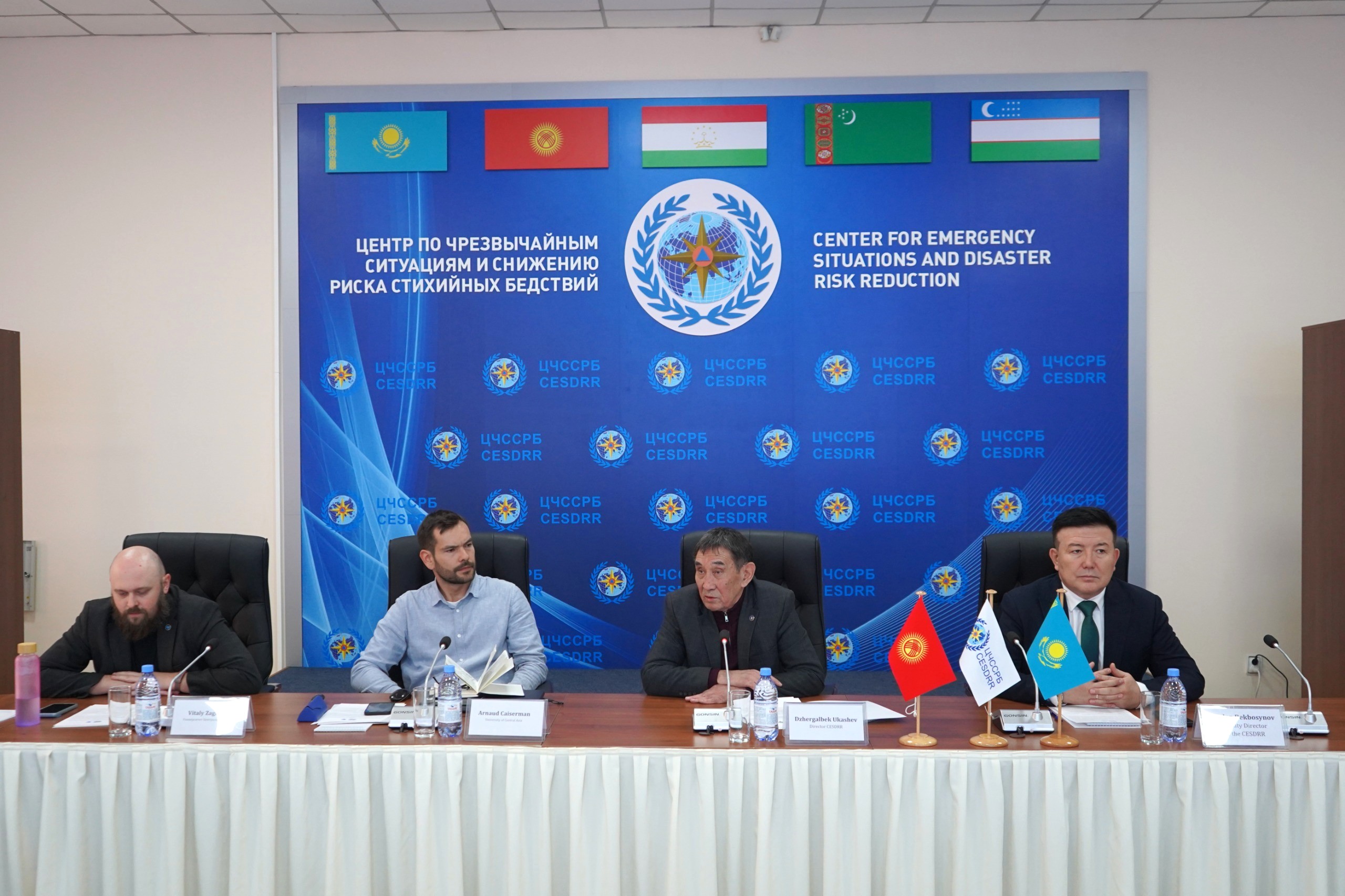
Almaty, 27 October 2026 - The University of Central Asia (UCA), in collaboration with the Center for Emergency Situations and Disaster Risk Reduction (CESDRR), held a seminar on modern approaches to mapping snow avalanches and potentially hazardous glacial lakes. The seminar focused on the practical application of scientific research findings and remote sensing tools to support decision-making in emergency management and disaster risk reduction.
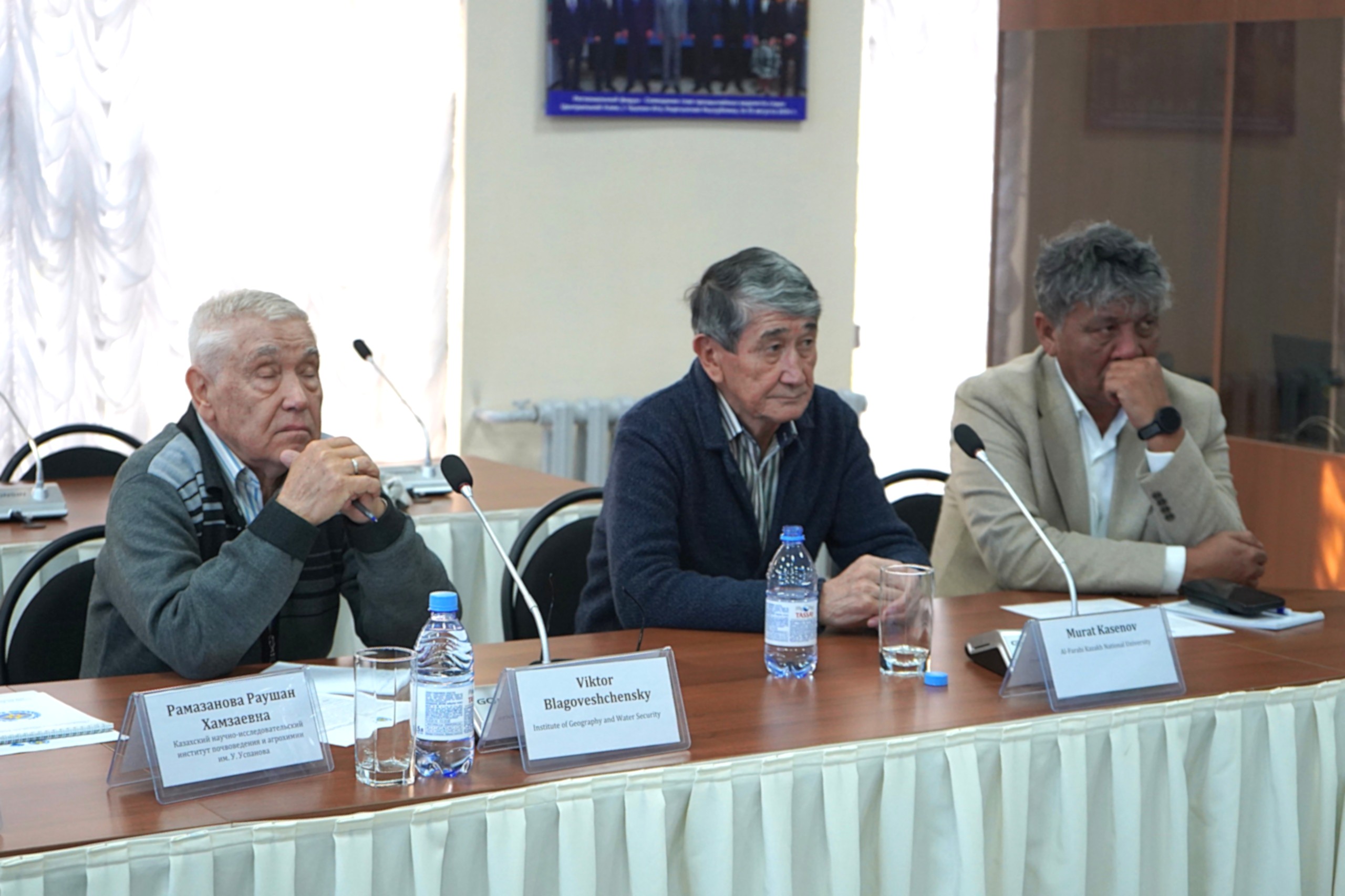
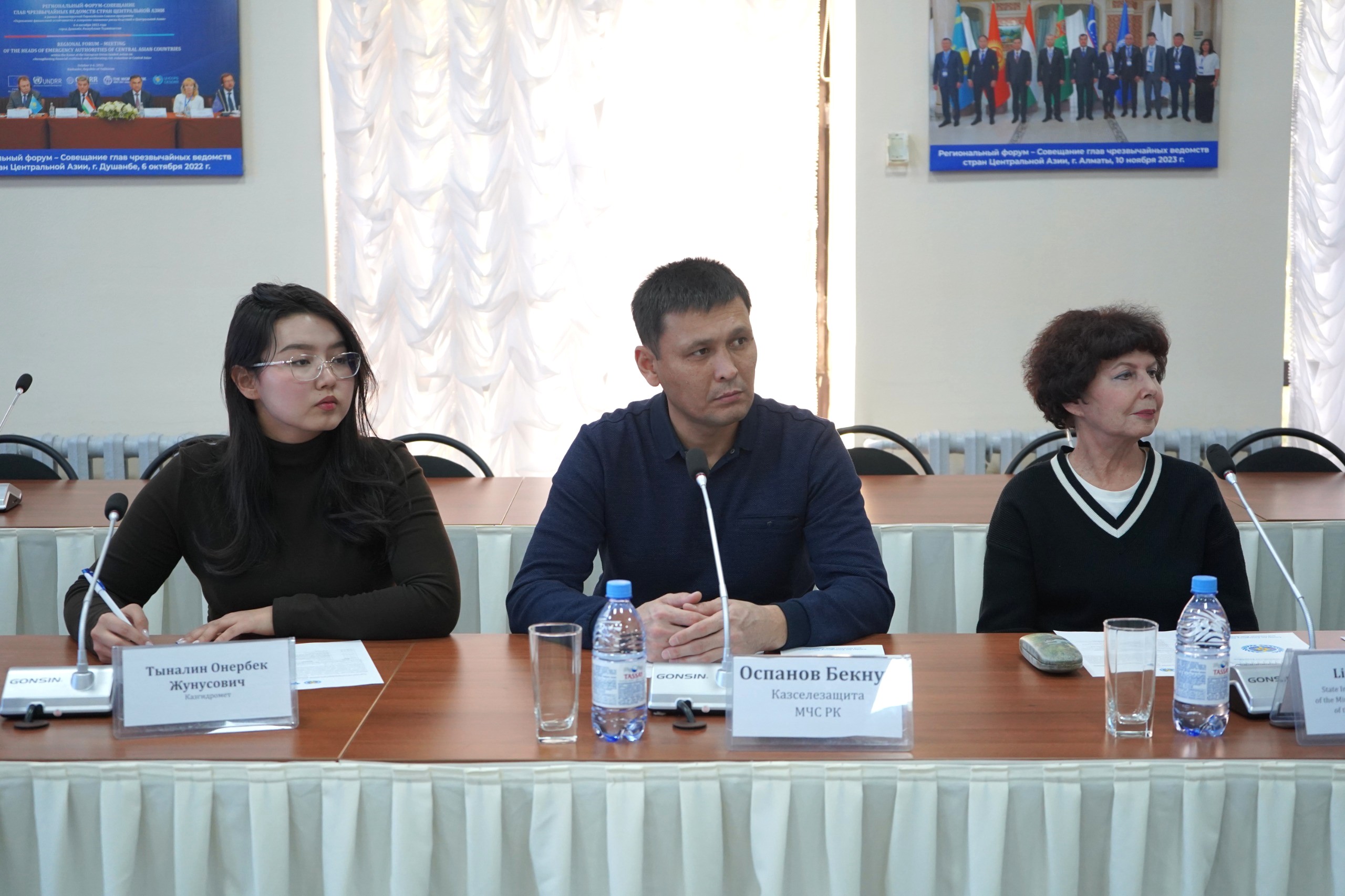
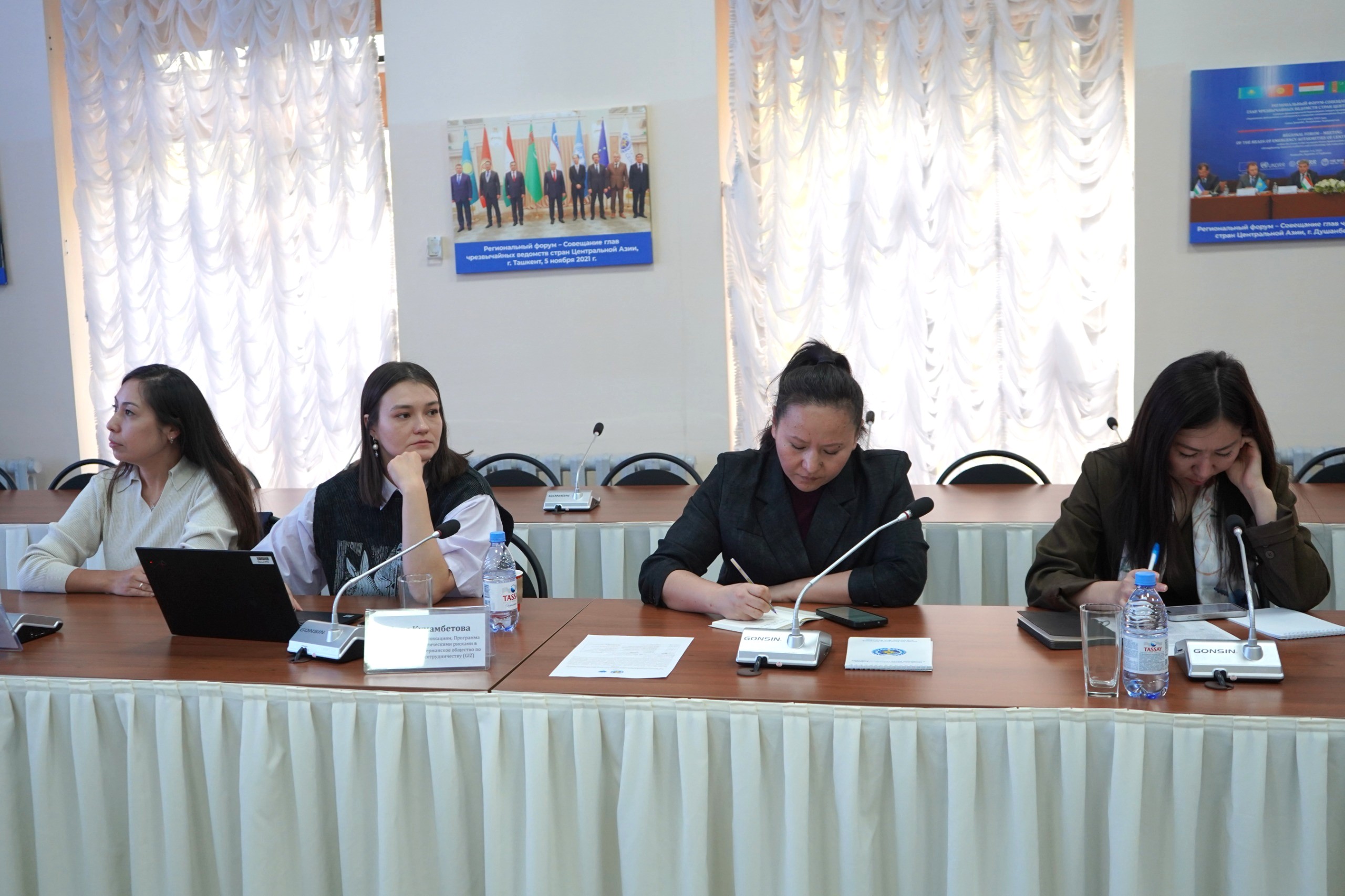
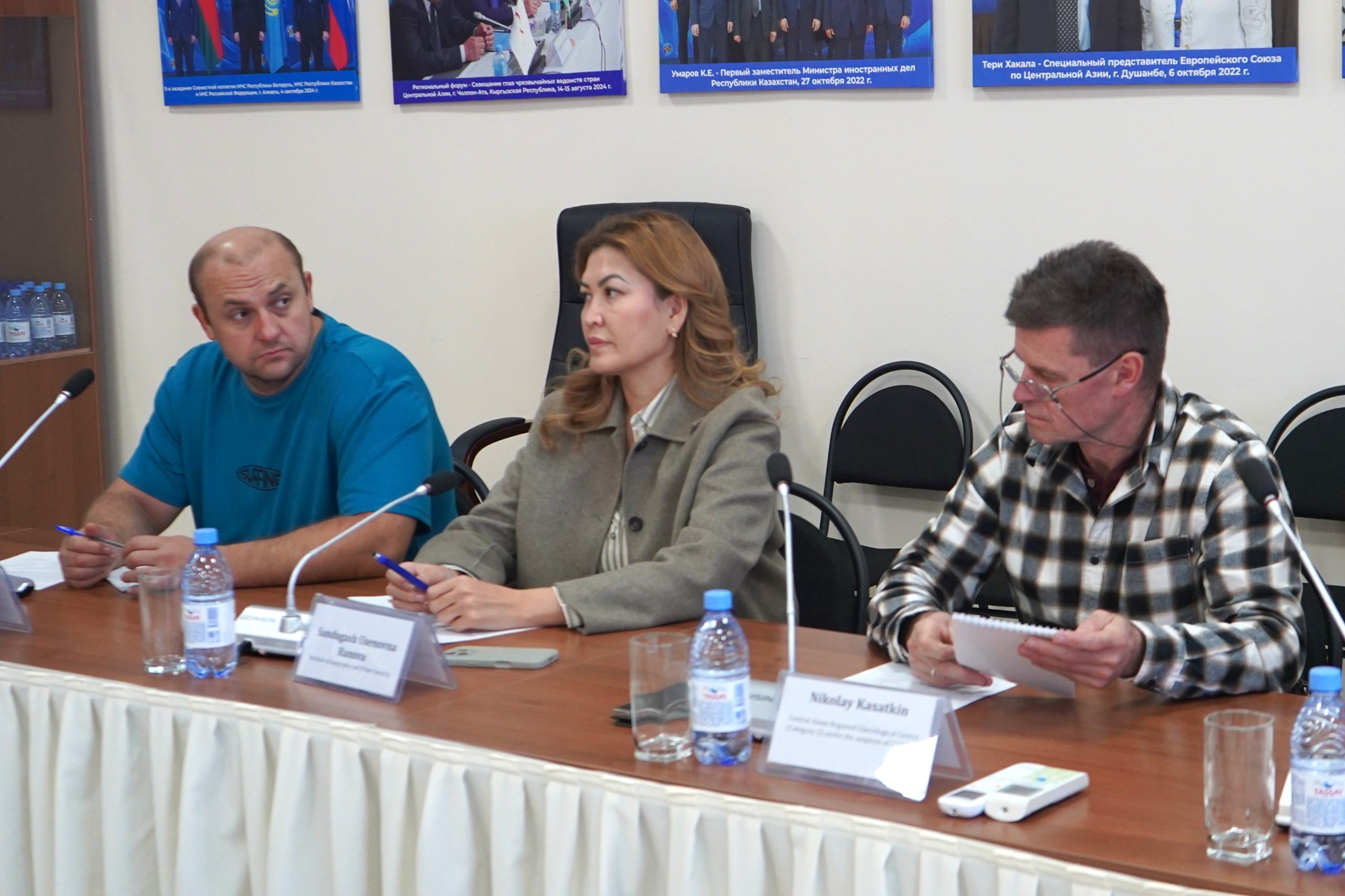
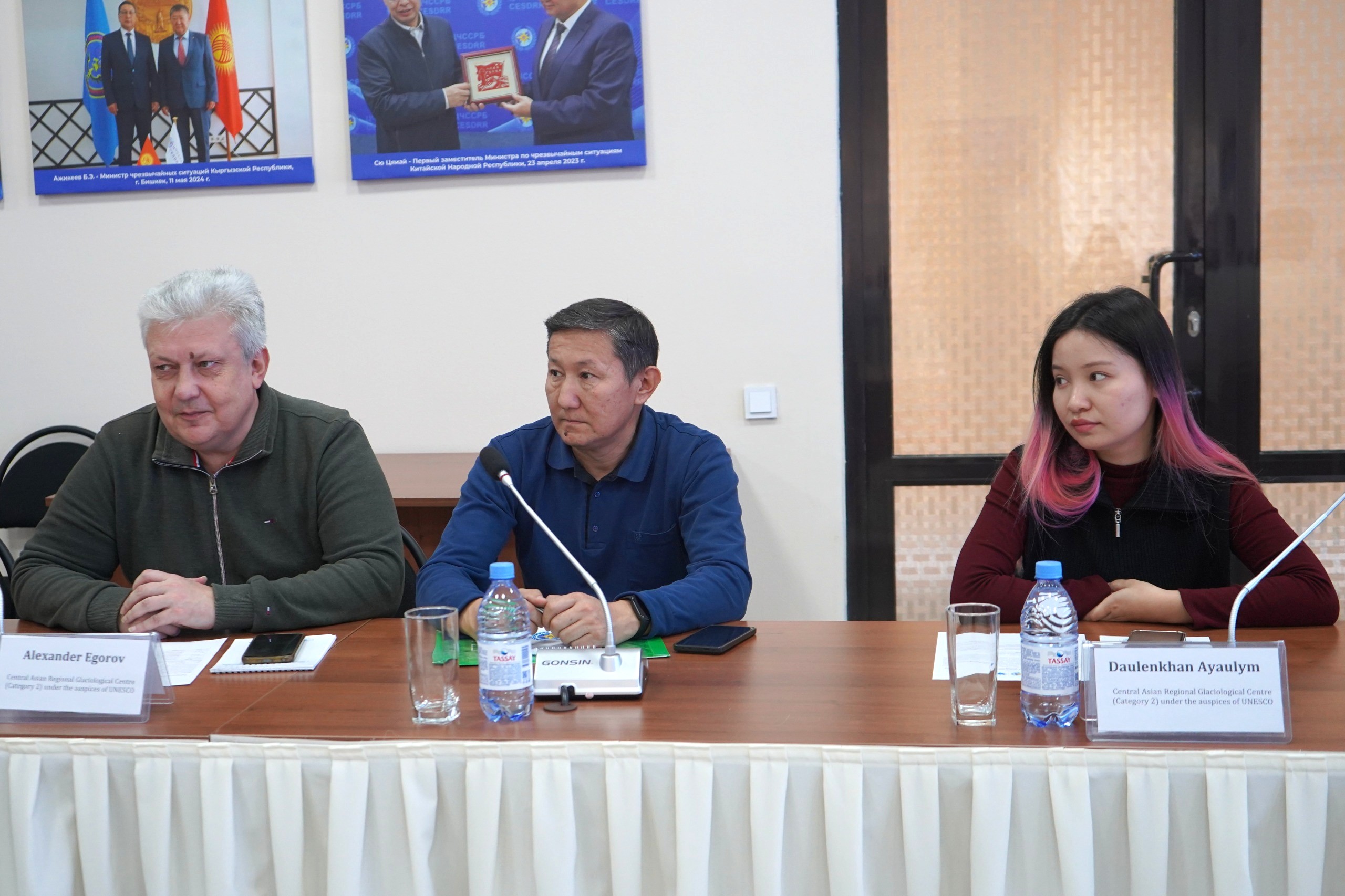
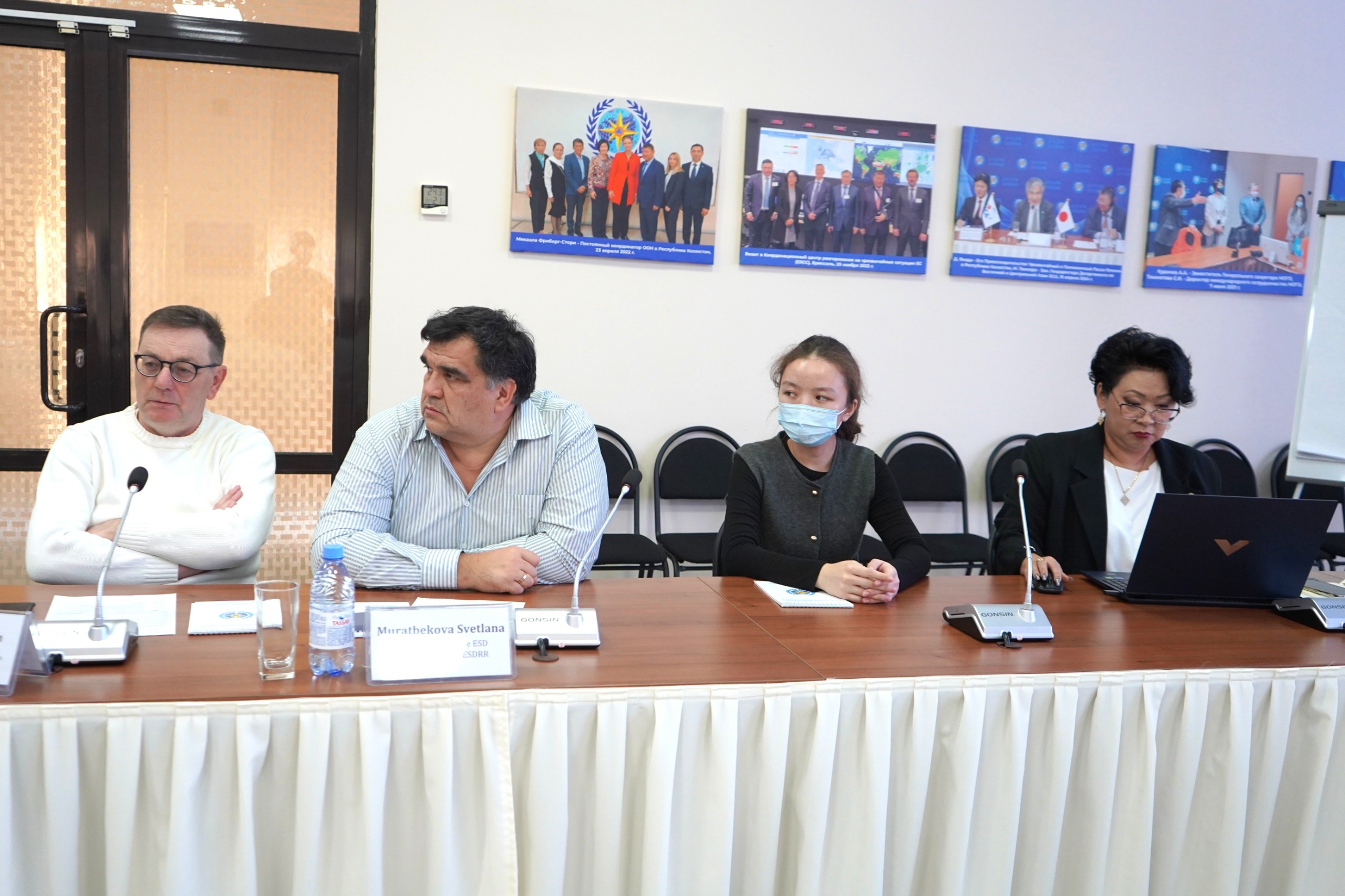
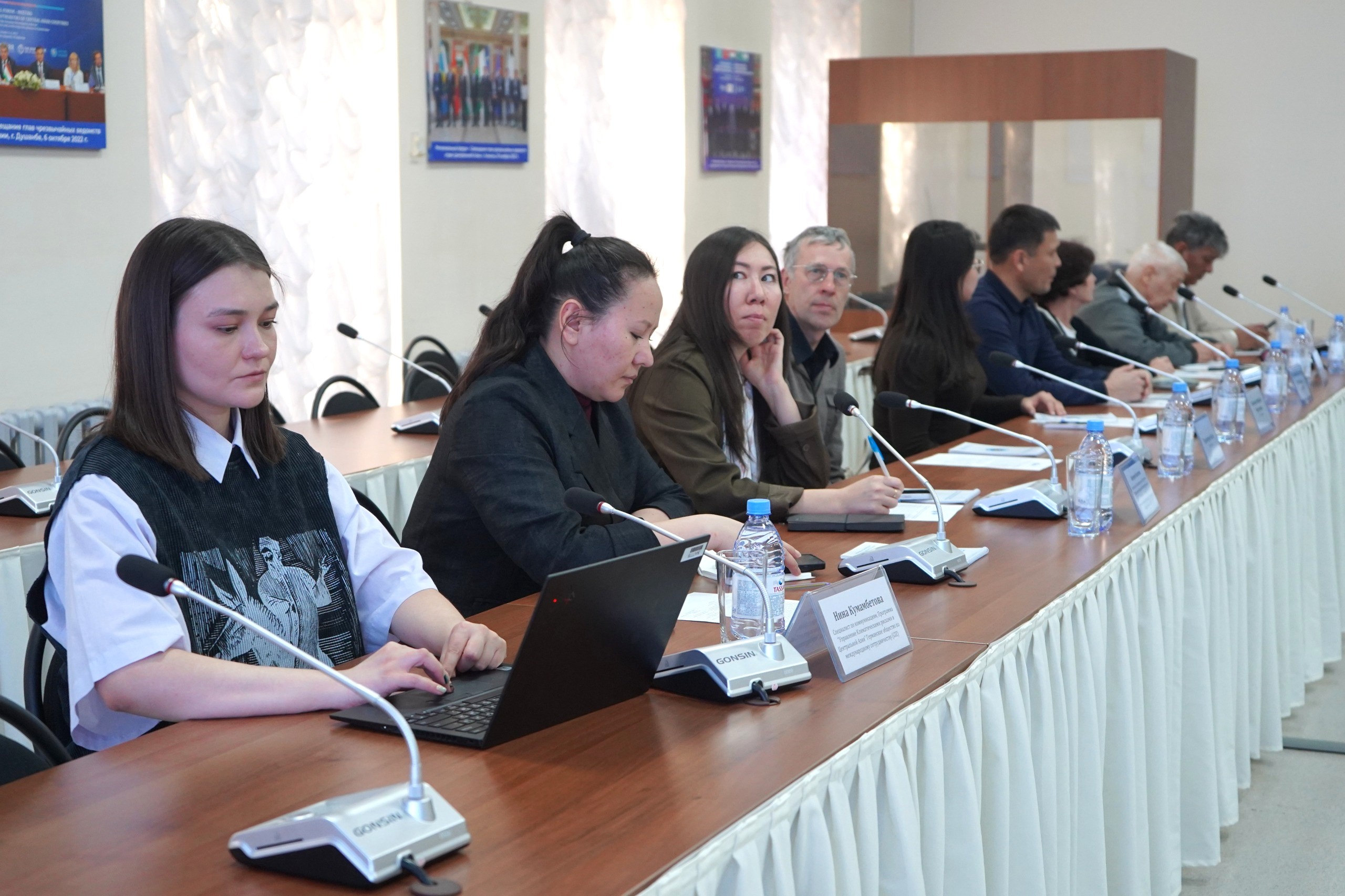
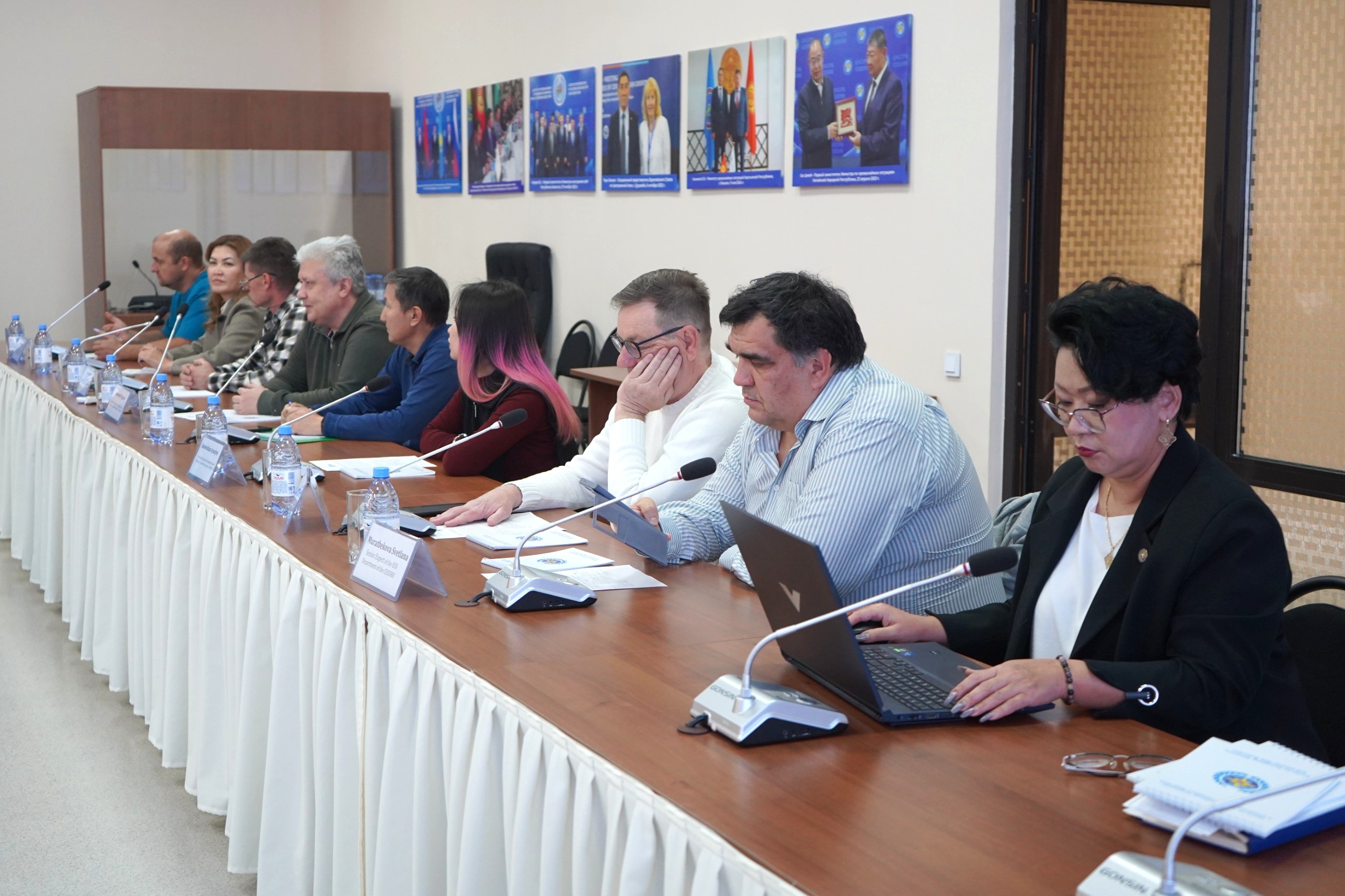
The event brought together representatives of research institutions, government agencies and relevant institutions, as well as international organizations and programmes working in the fields of natural hazards, geography, the cryosphere, and risk management.
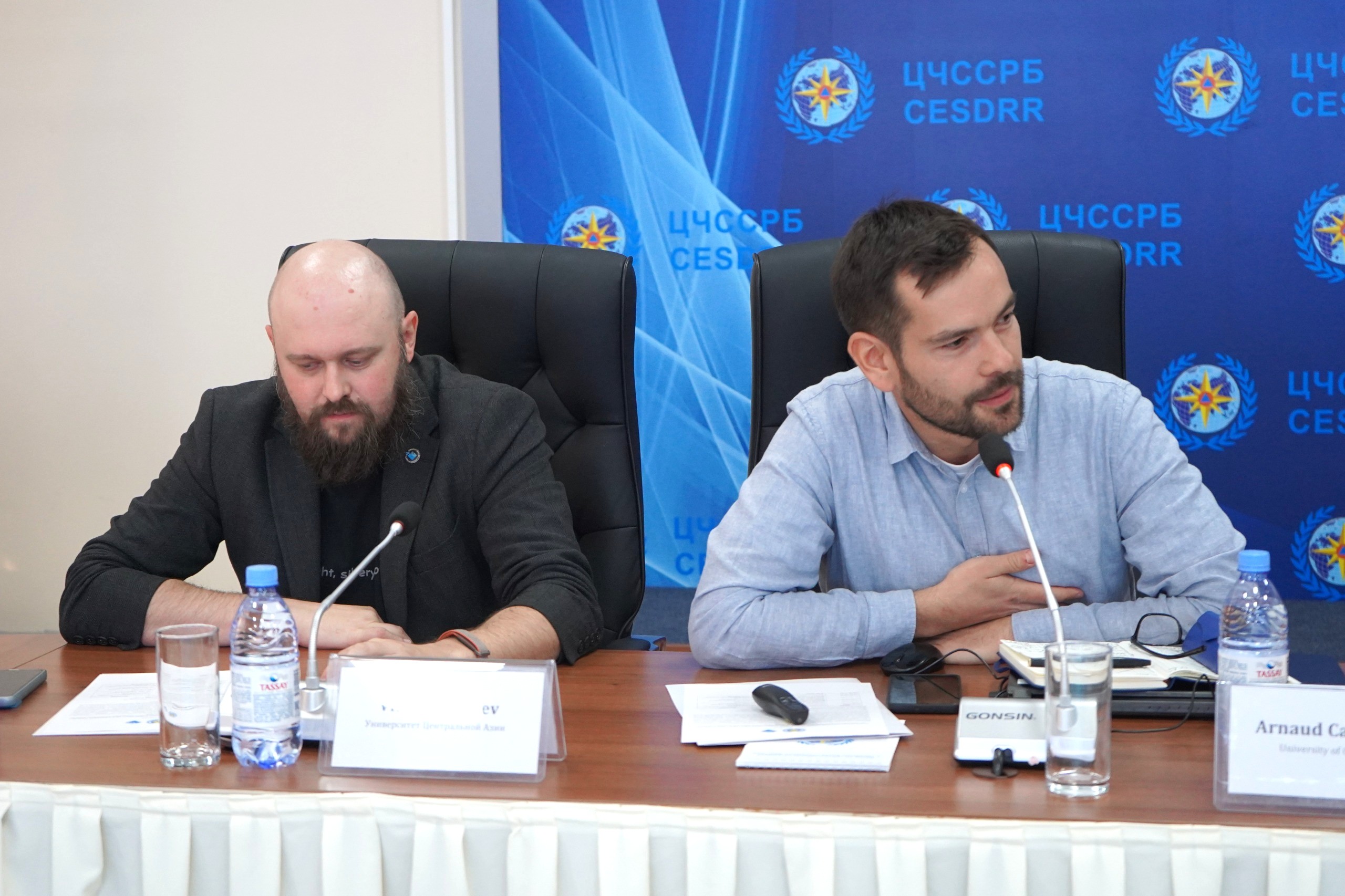
During the seminar, UCA Senior Research Fellows Dr. Arno Kääsermann and Dr. Vitaliy Zaginaev presented research findings and tools designed to identify, map, and monitor natural hazards.
Dr. Arno Kääsermann’s presentation focused on three decades of snow avalanche mapping in Kazakhstan and the use of these data to inform risk reduction decisions. Participants were introduced to SAFE (Snow Avalanches Frequency Estimation), an open-access dataset and mapping tool that enables the assessment of the historical frequency and spatial distribution of snow avalanches.
The practical value of this tool lies in its ability to systematically compile information on avalanche activity and support natural hazard assessment and the planning of risk reduction measures.
Dr. Vitaliy Zaginaev presented a Google Earth Engine-based tool for the rapid identification and mapping of potentially hazardous glacial lakes. The approach enables information on lake size to be retrieved in near real time and helps identify valleys potentially exposed to glacial lake outburst flood (GLOF) risk.
The use of such tools can contribute to the timely assessment of hazards, improved monitoring, and the planning of measures to reduce the potential impacts of emergencies.
The seminar programme included presentations, question-and-answer sessions, and discussions on the practical application of the tools presented. The event provided a platform for exchanging scientific findings and professional expertise among specialists working in natural hazard monitoring and disaster risk reduction.
The seminar was held at the CESDRR office in Almaty and jointly organized by the University of Central Asia and the Center for Emergency Situations and Disaster Risk Reduction.