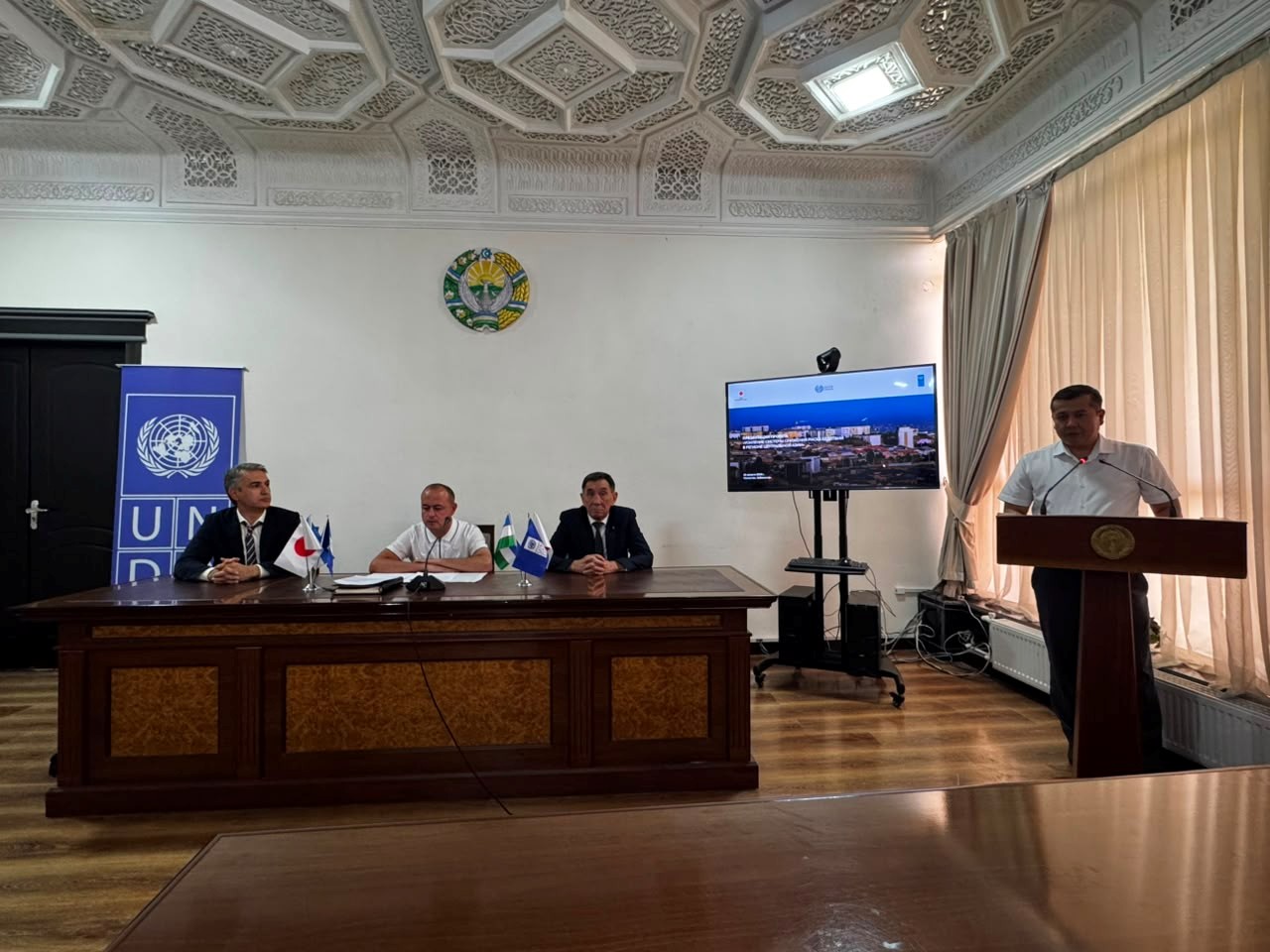
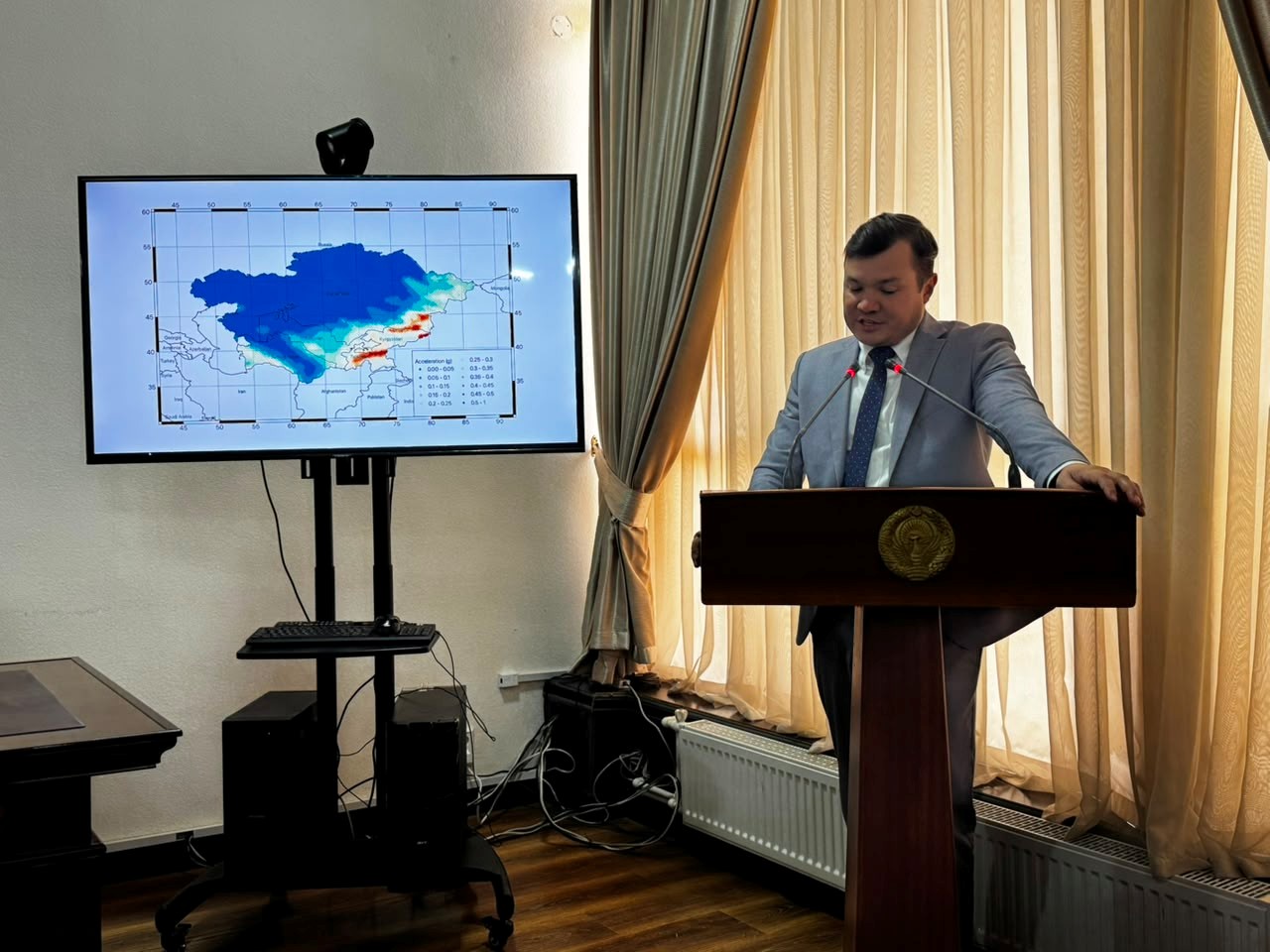
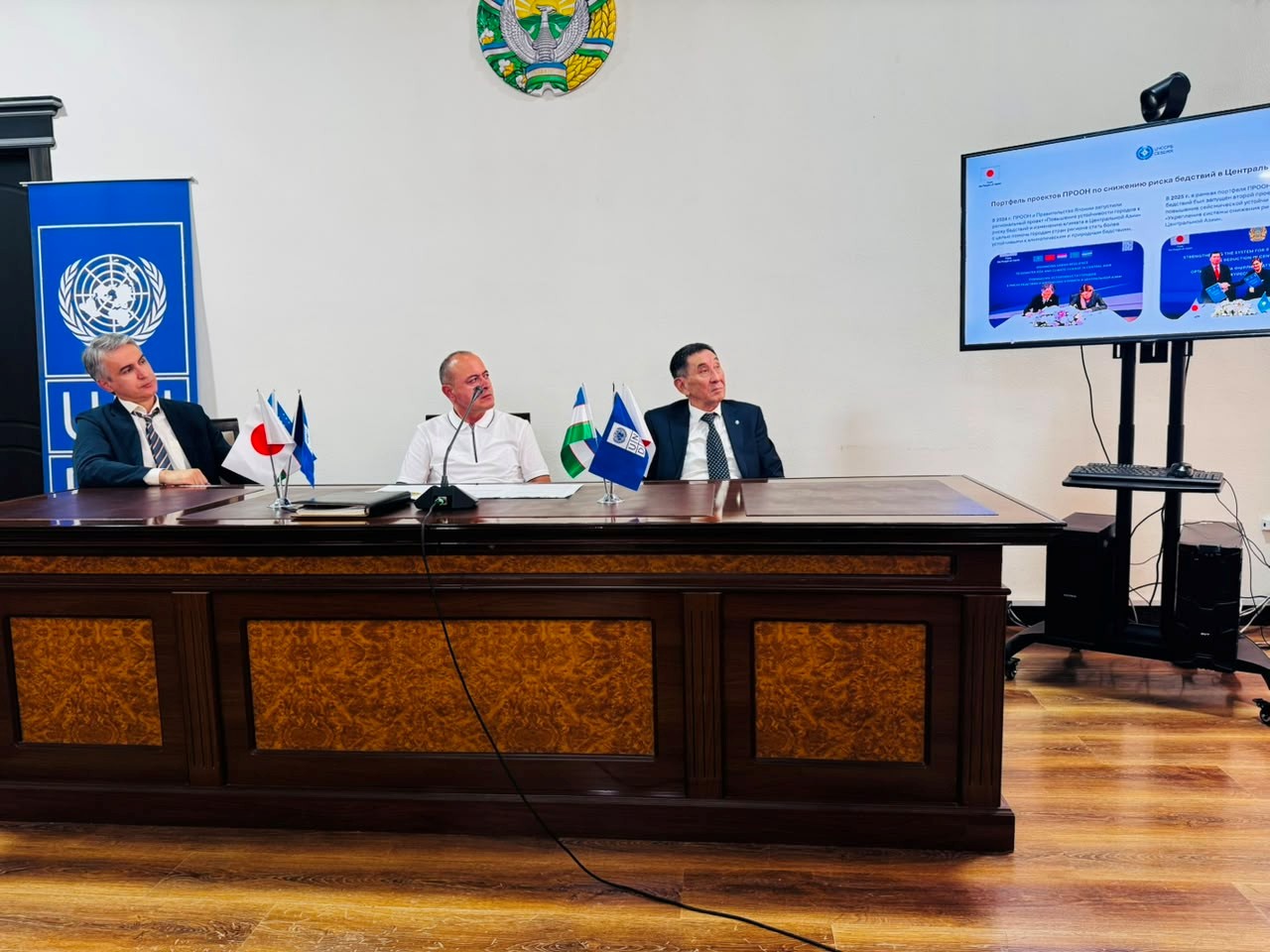
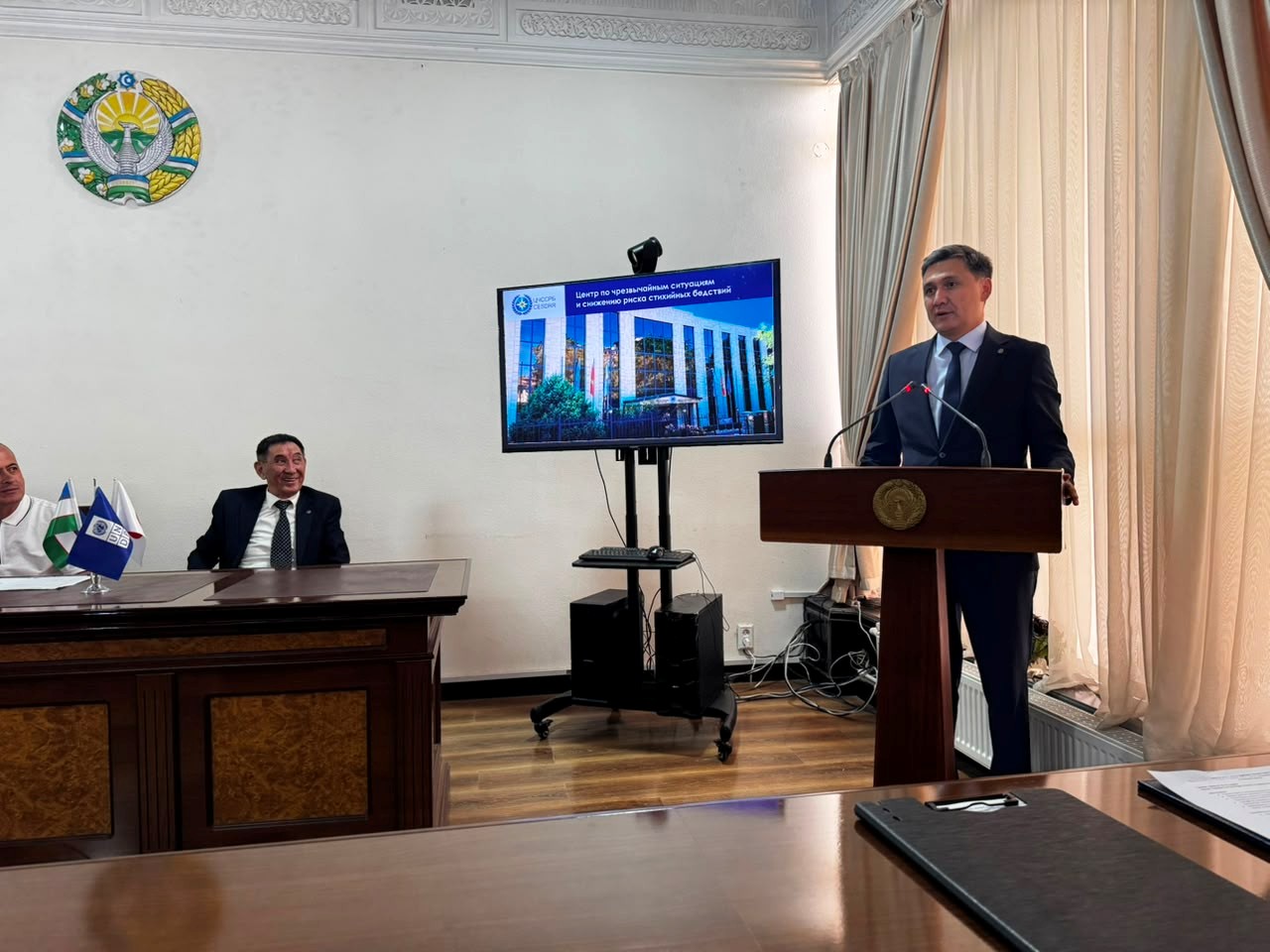
The Center and UNDP Held a Series of Working Meetings in Central Asian Countries under the Regional Project “Strengthening the Disaster Risk Reduction System in Central Asia”
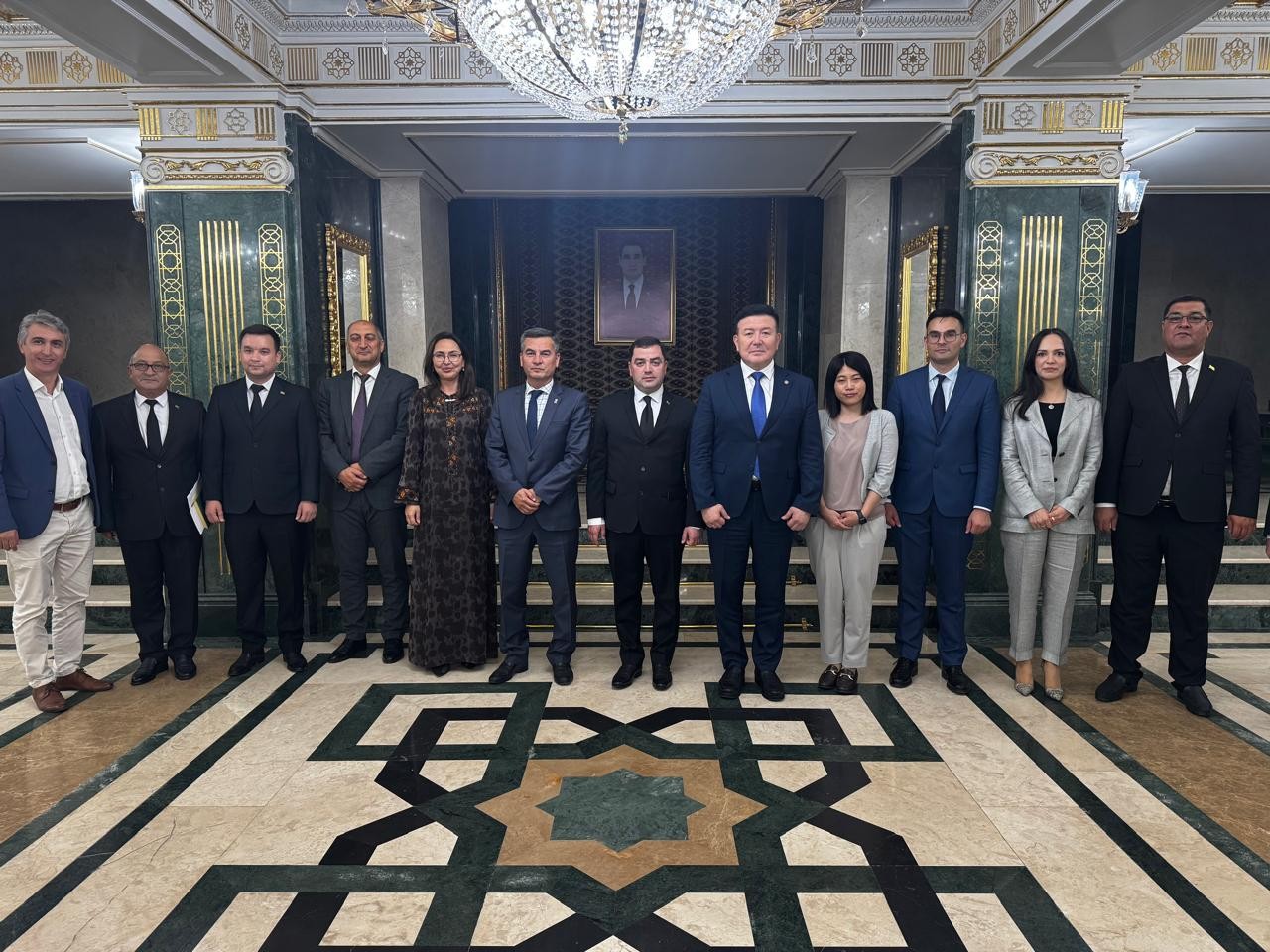
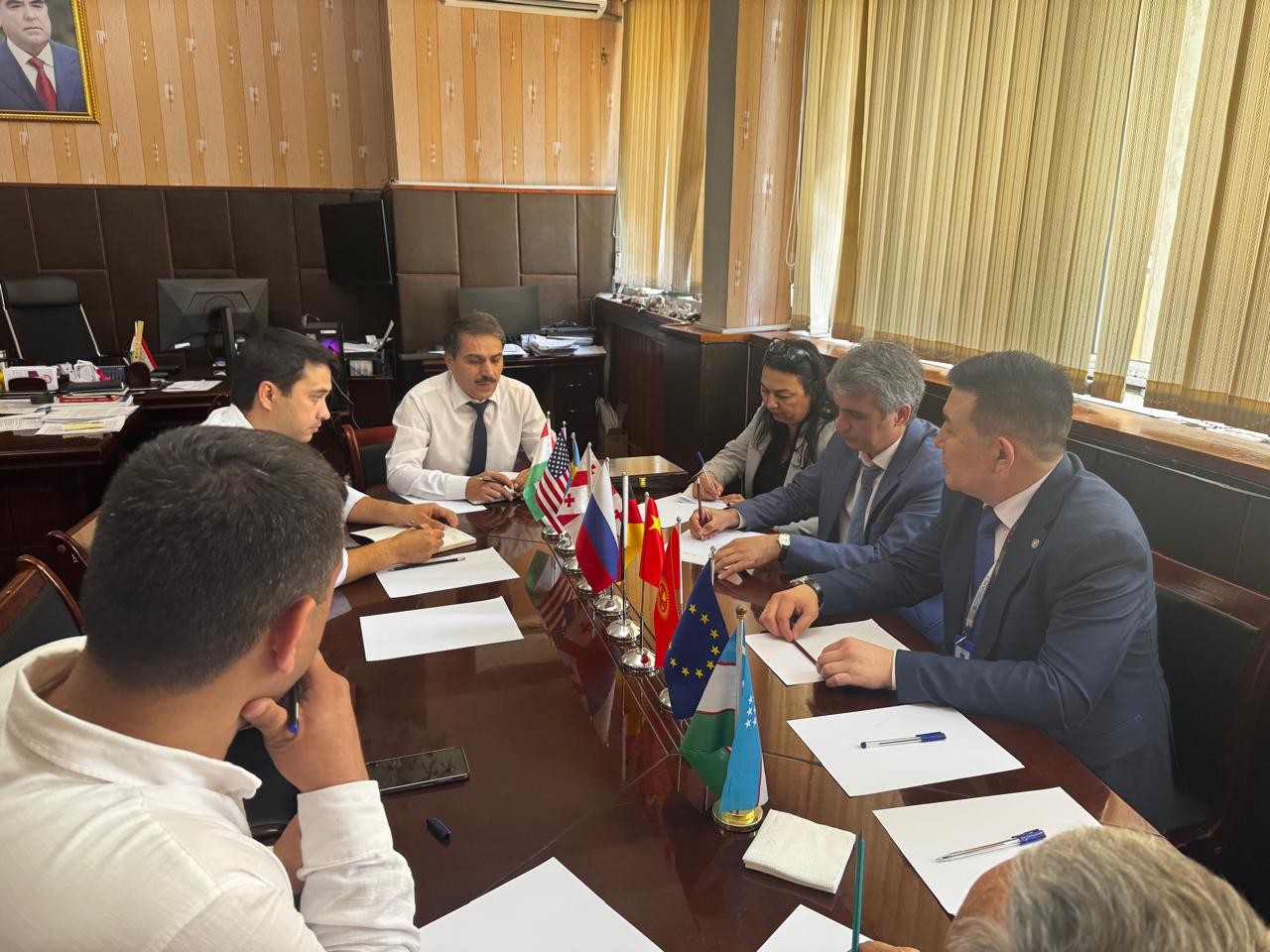
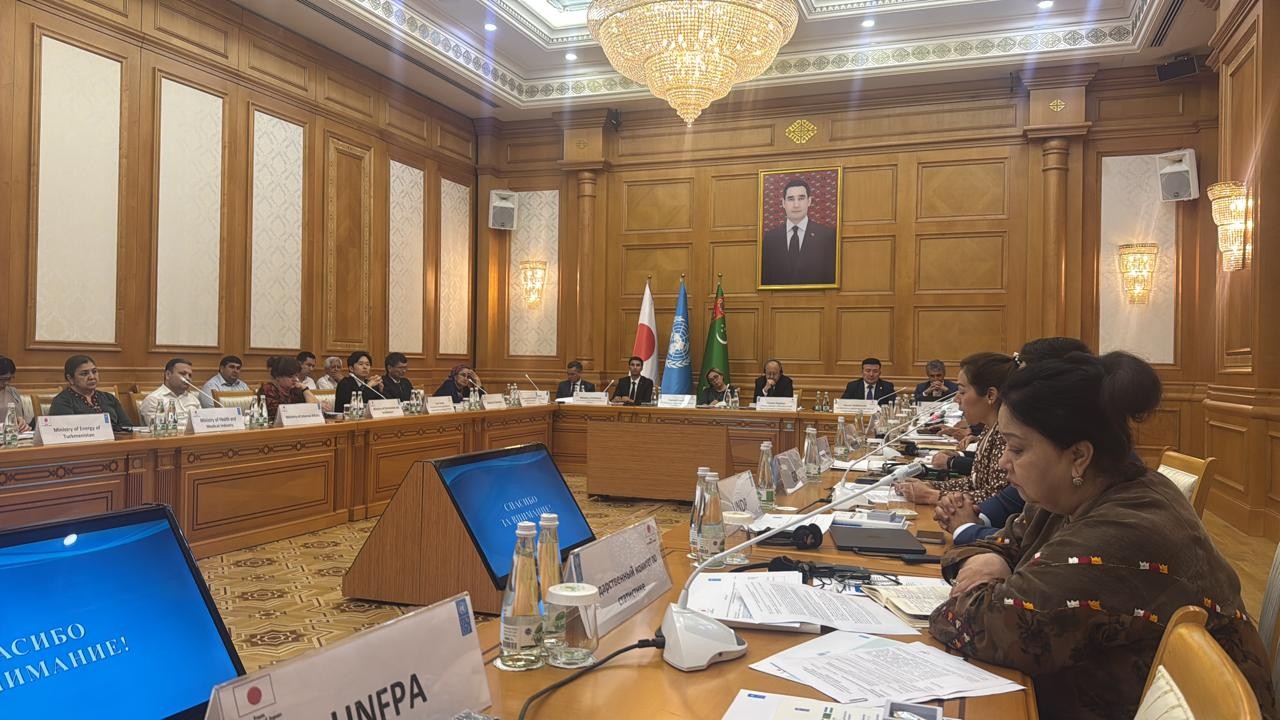
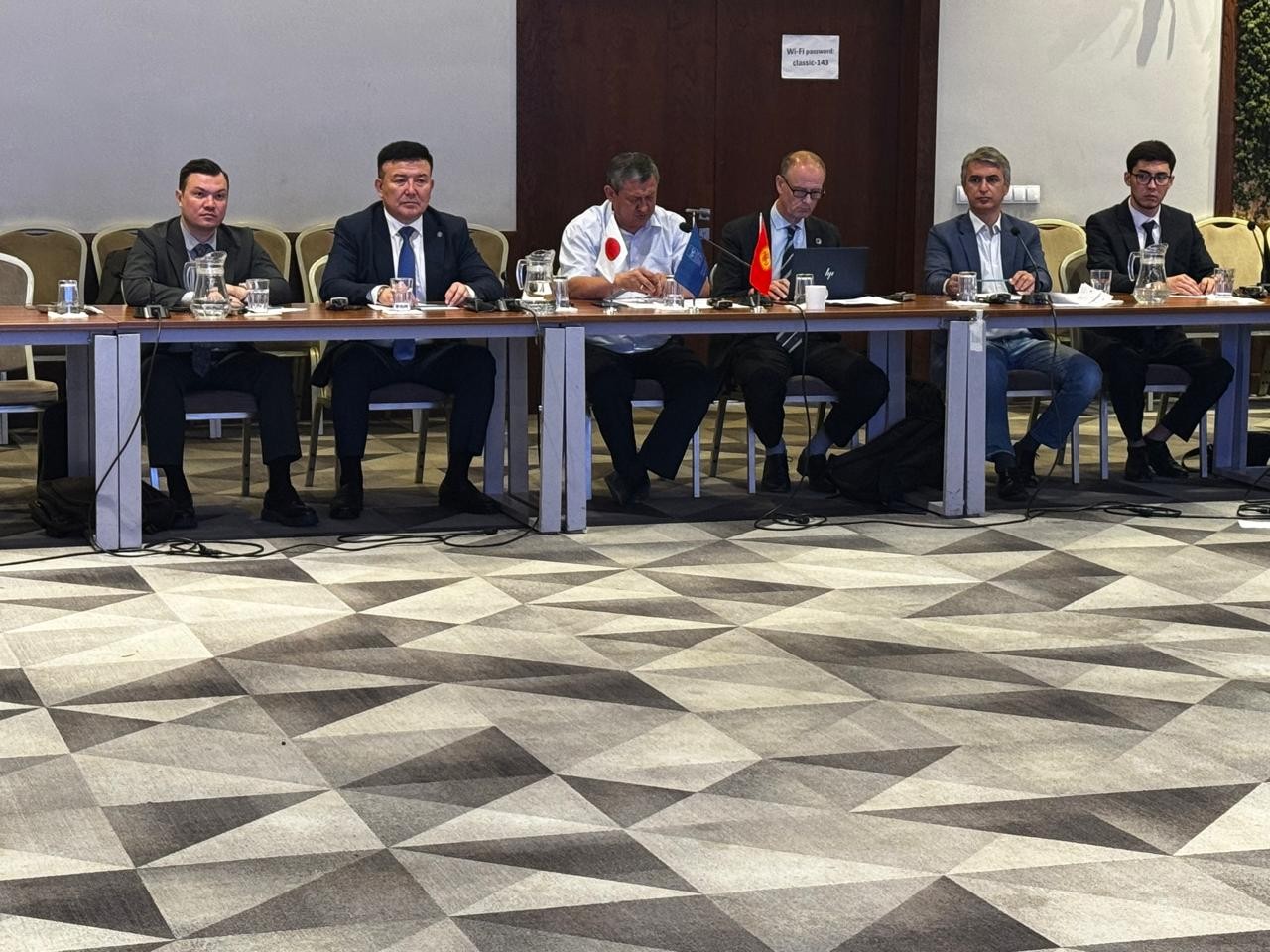
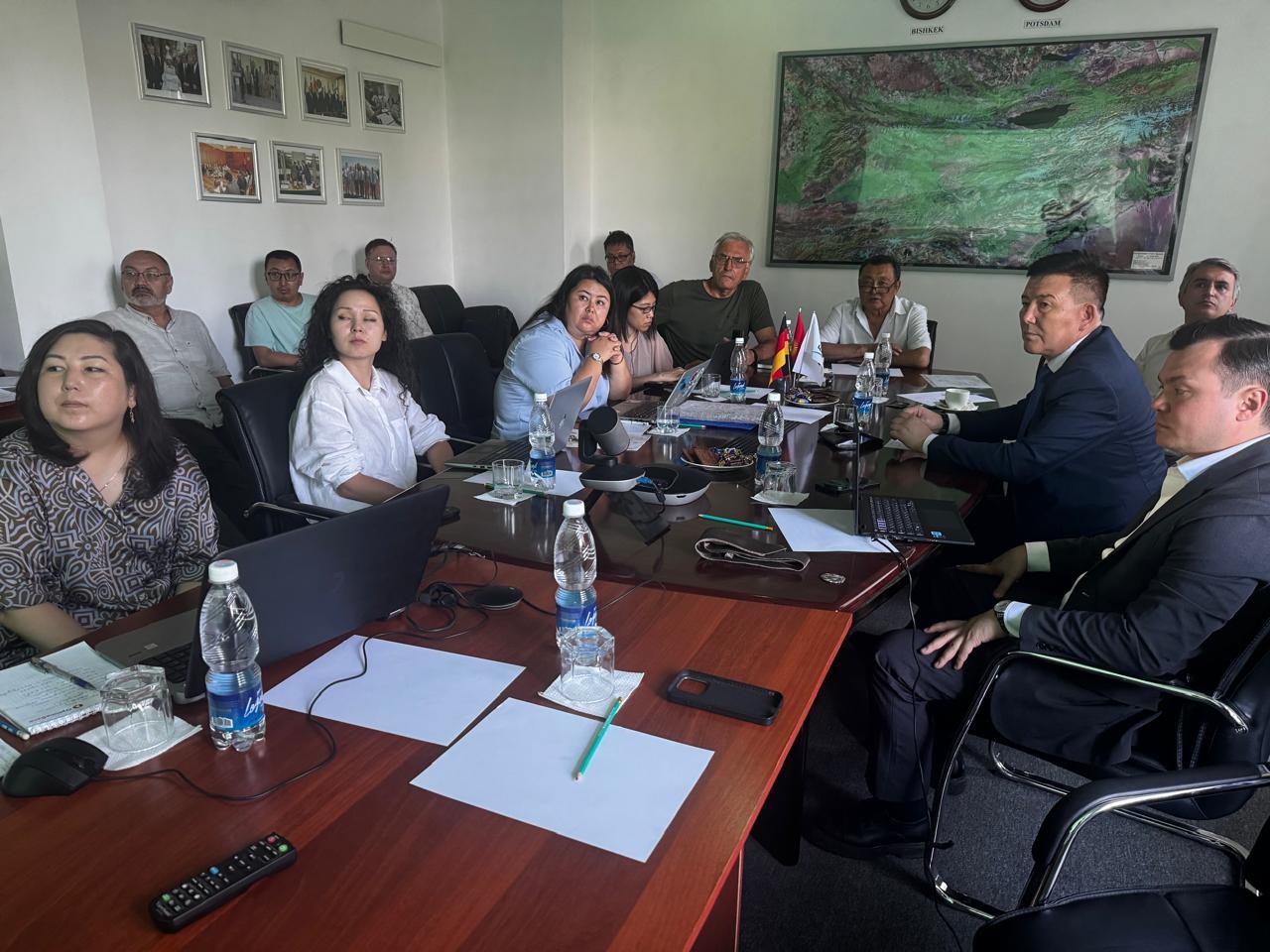
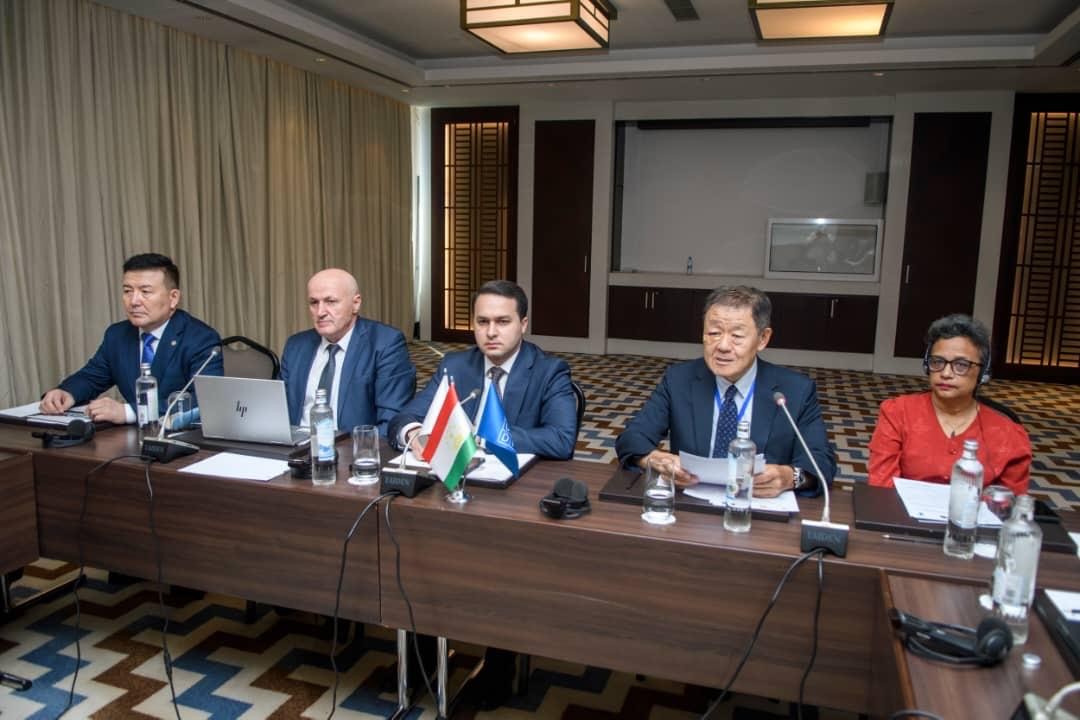
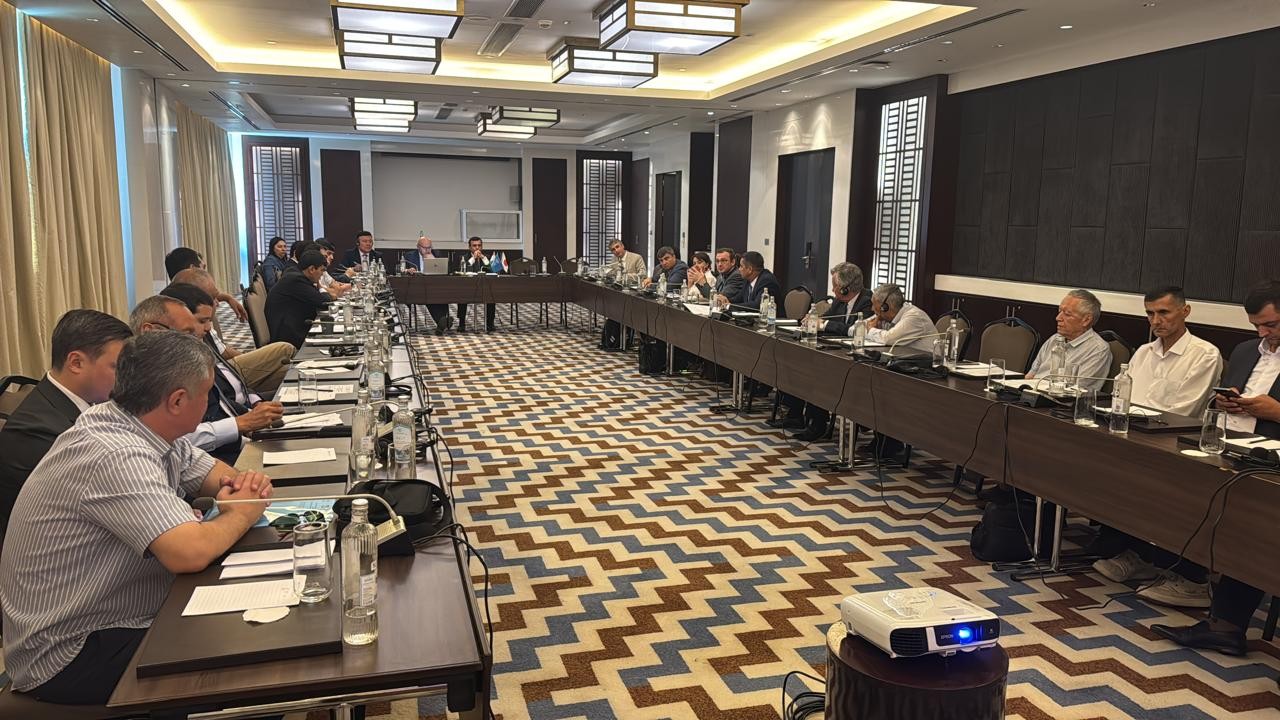
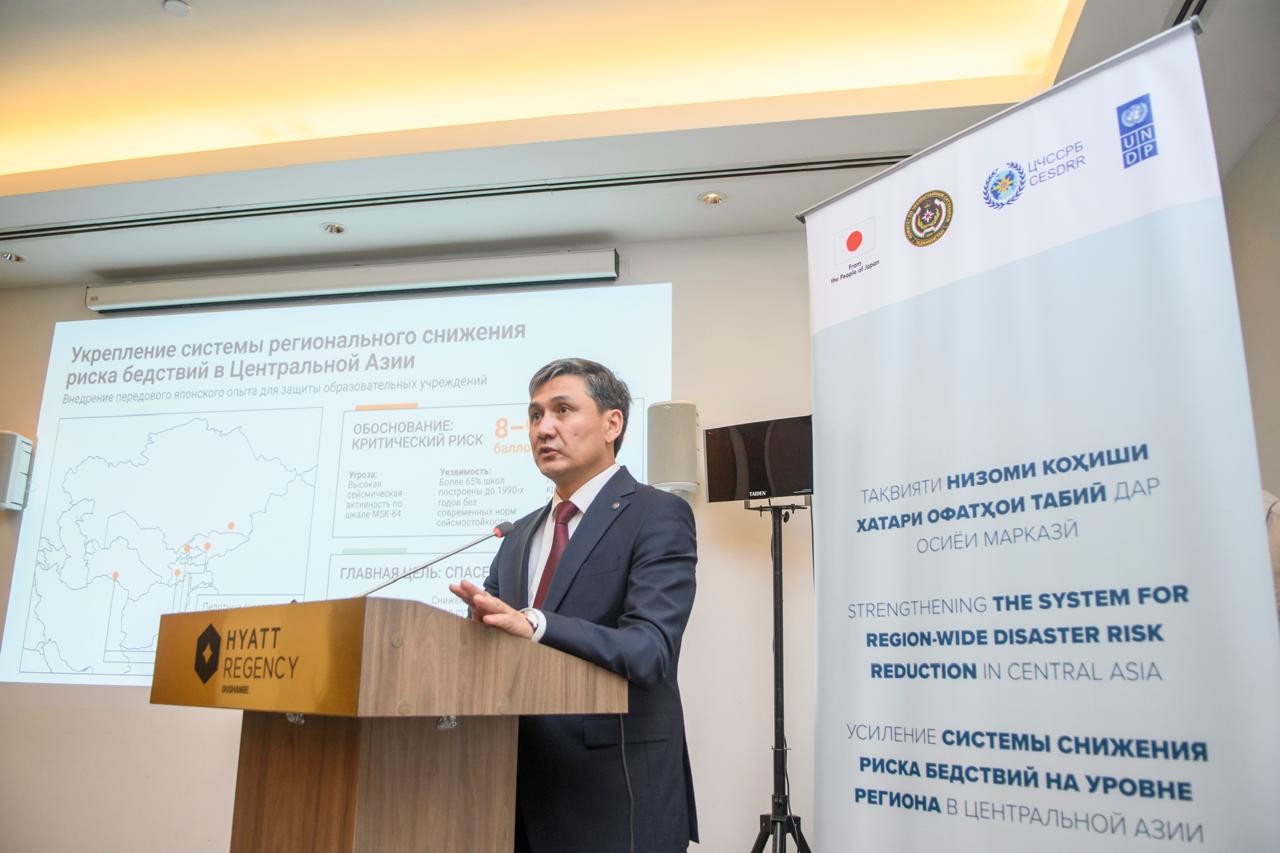
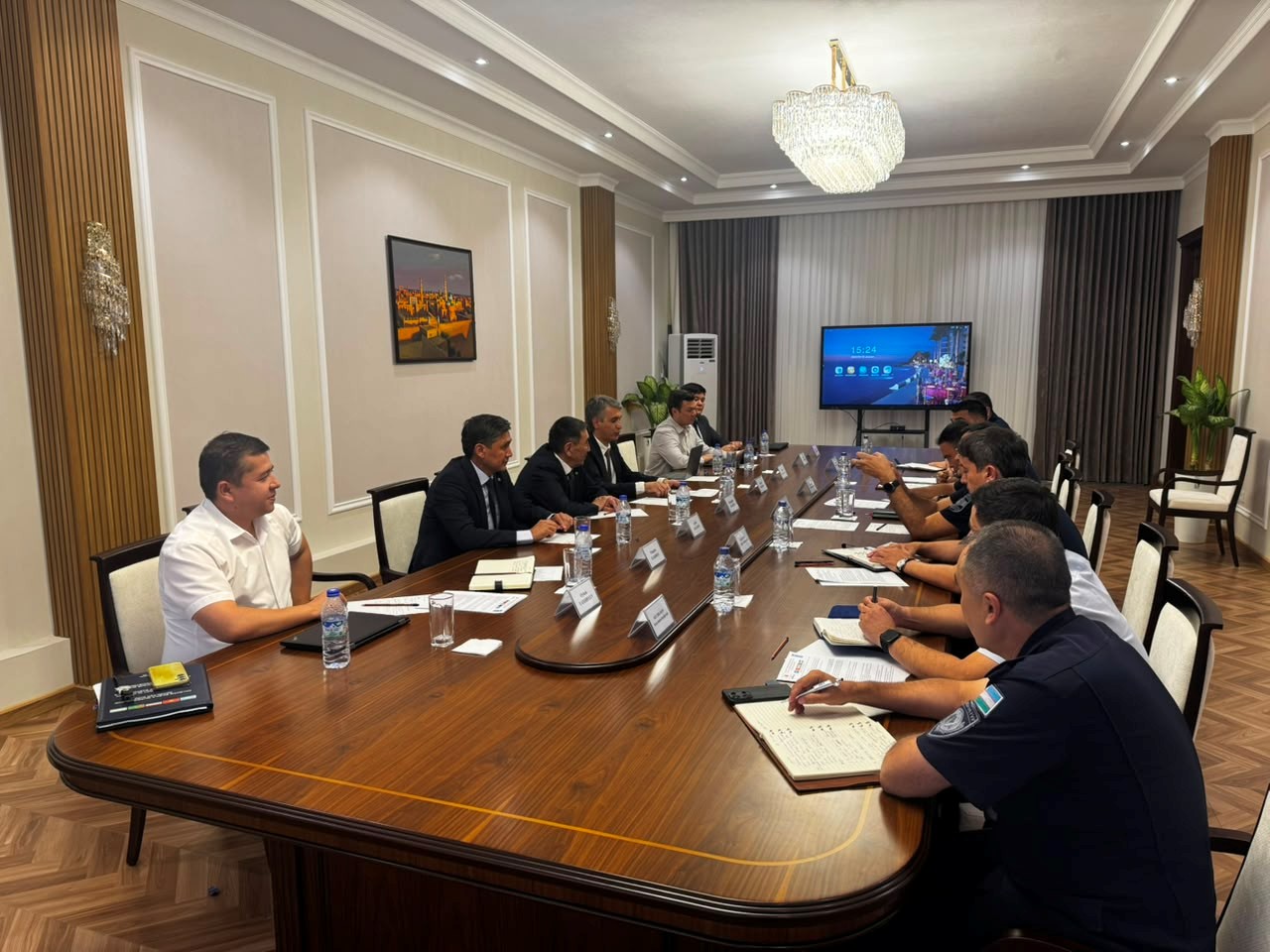
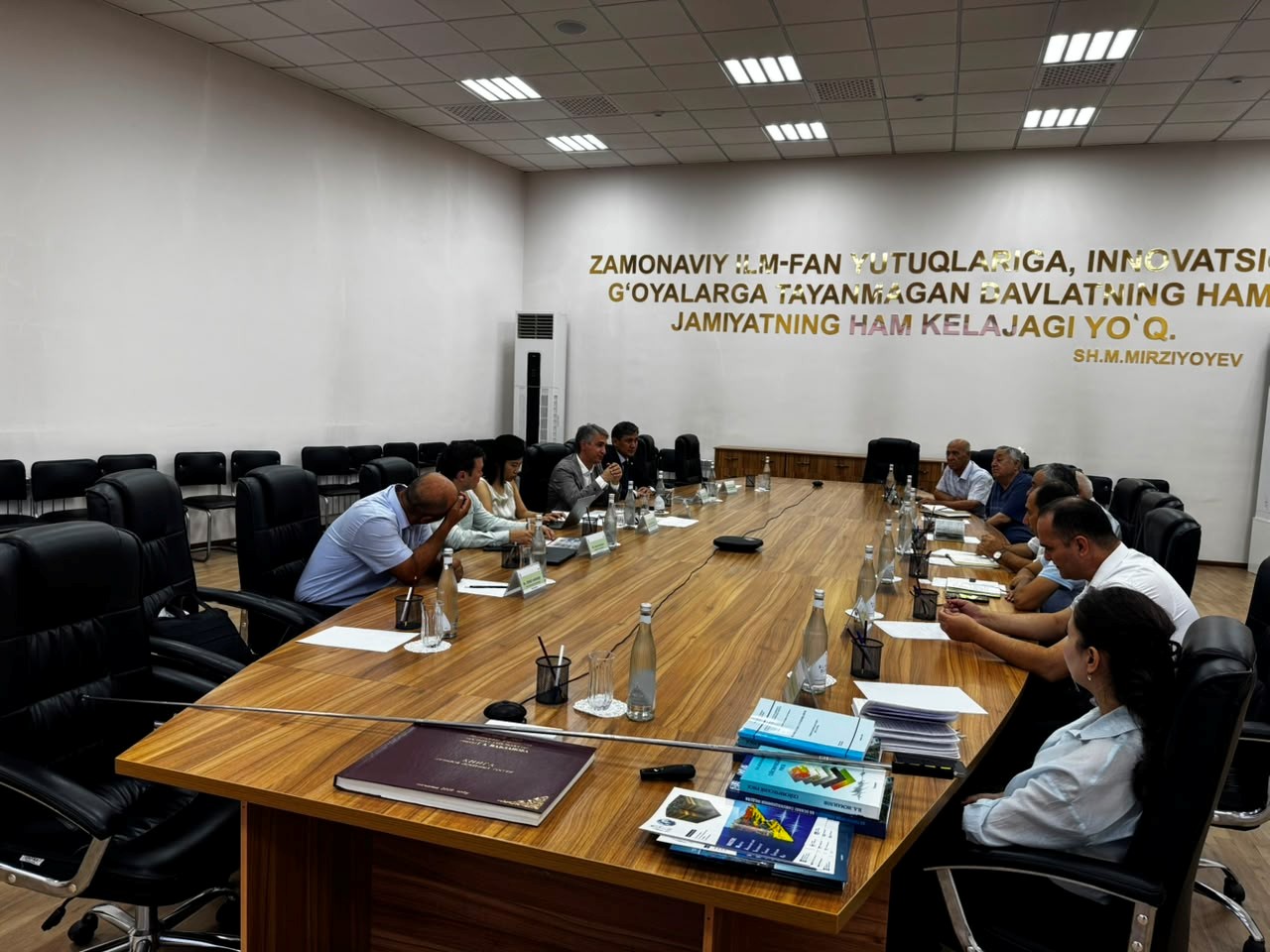
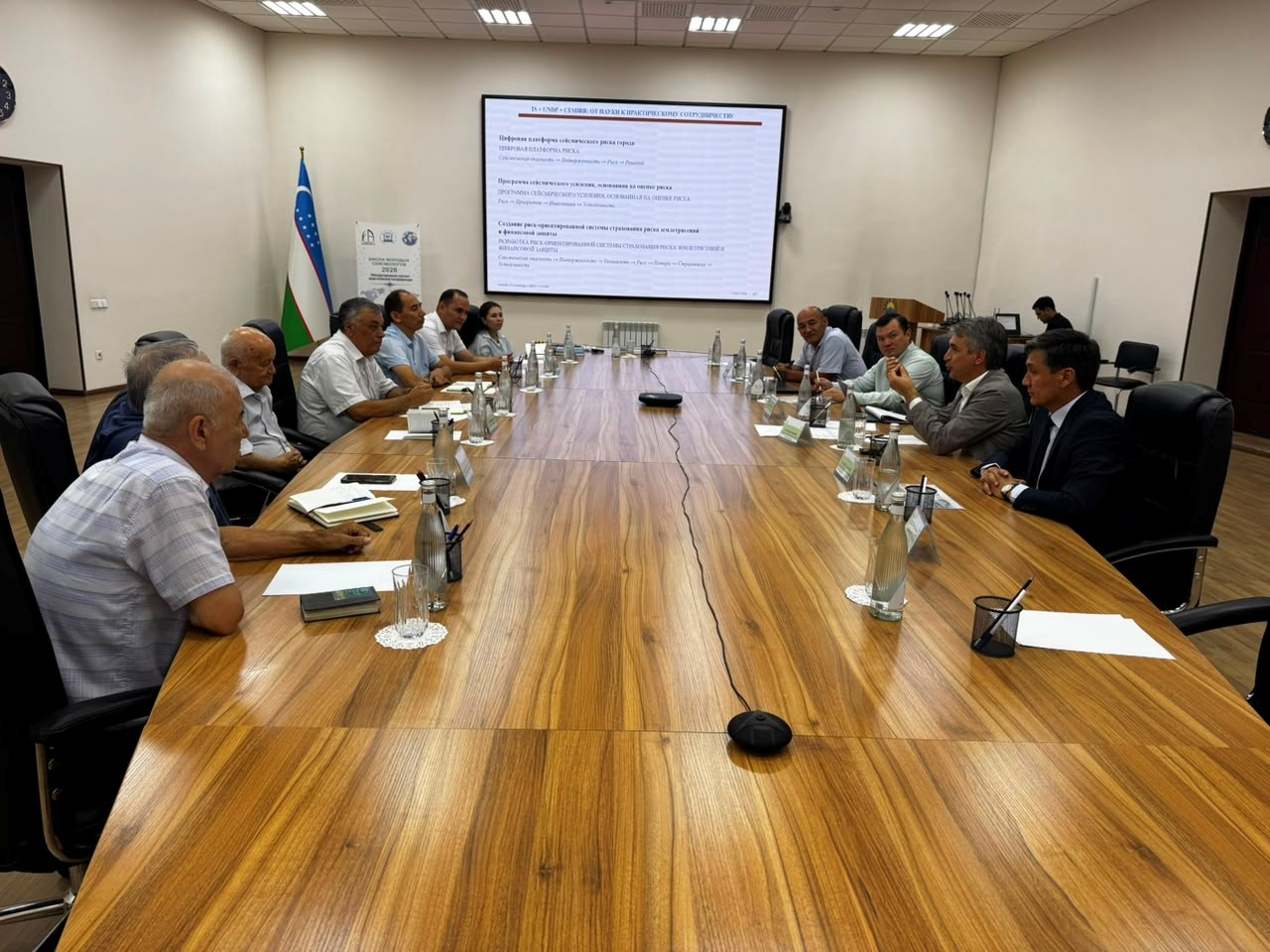
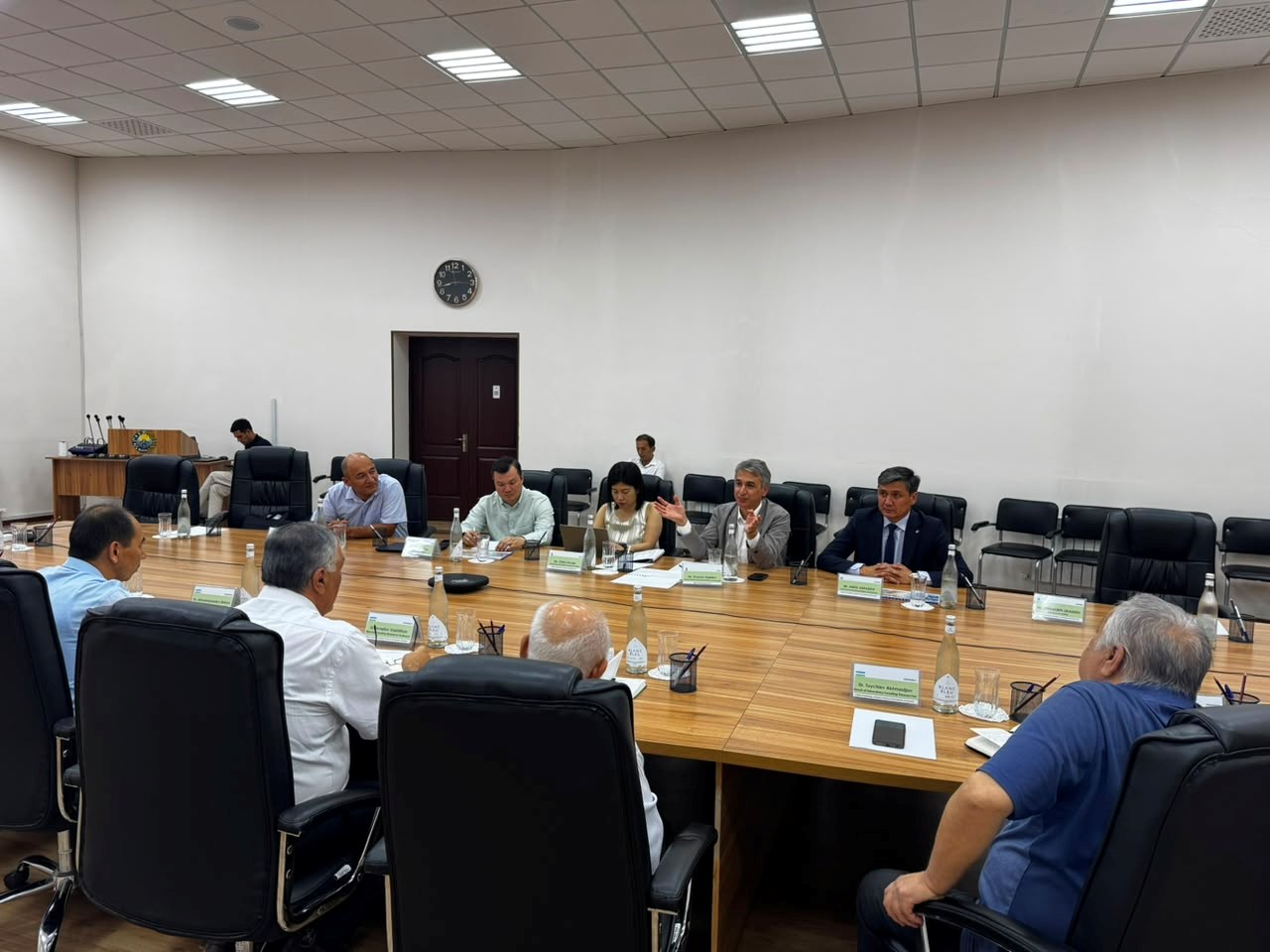
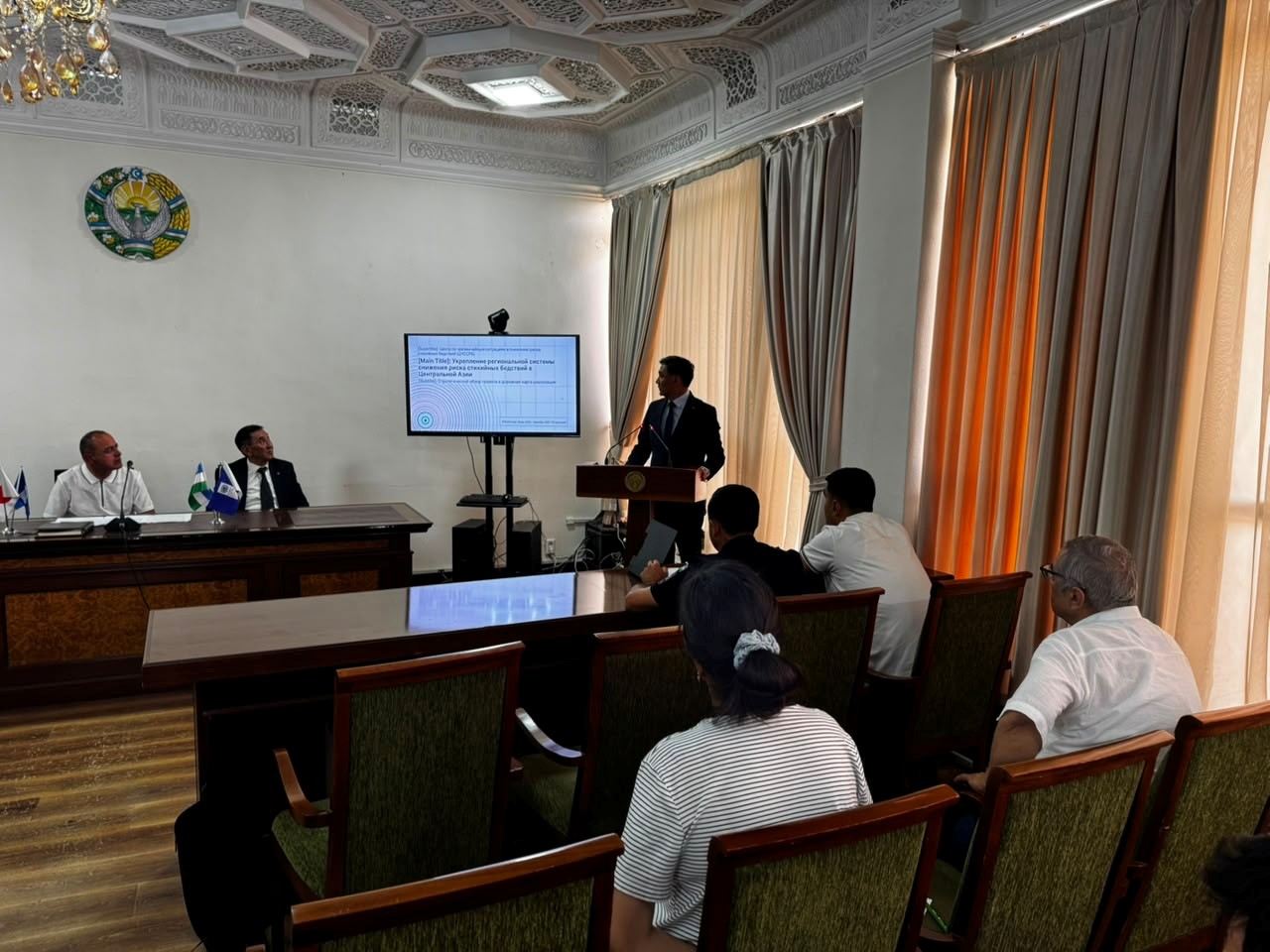
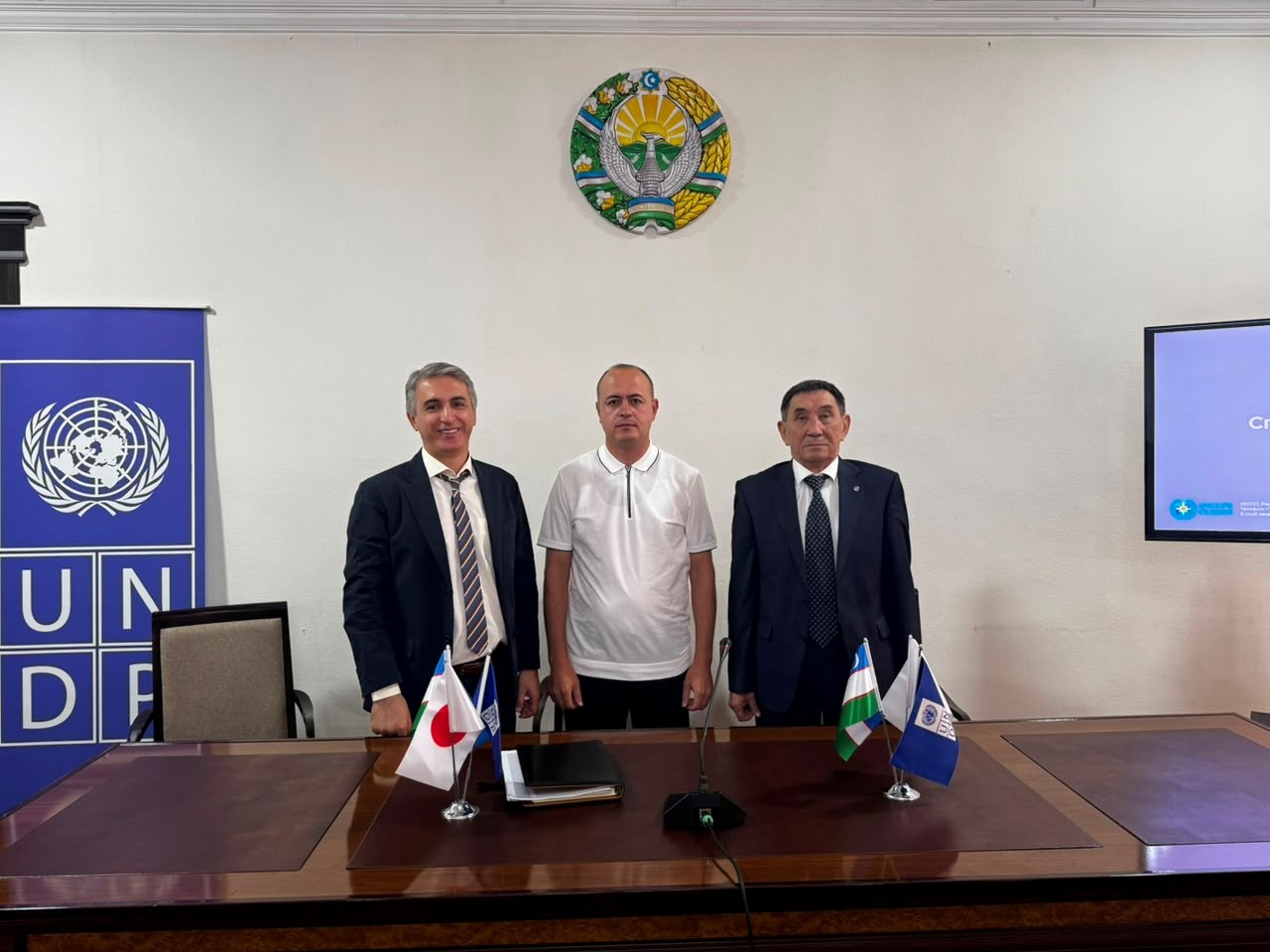
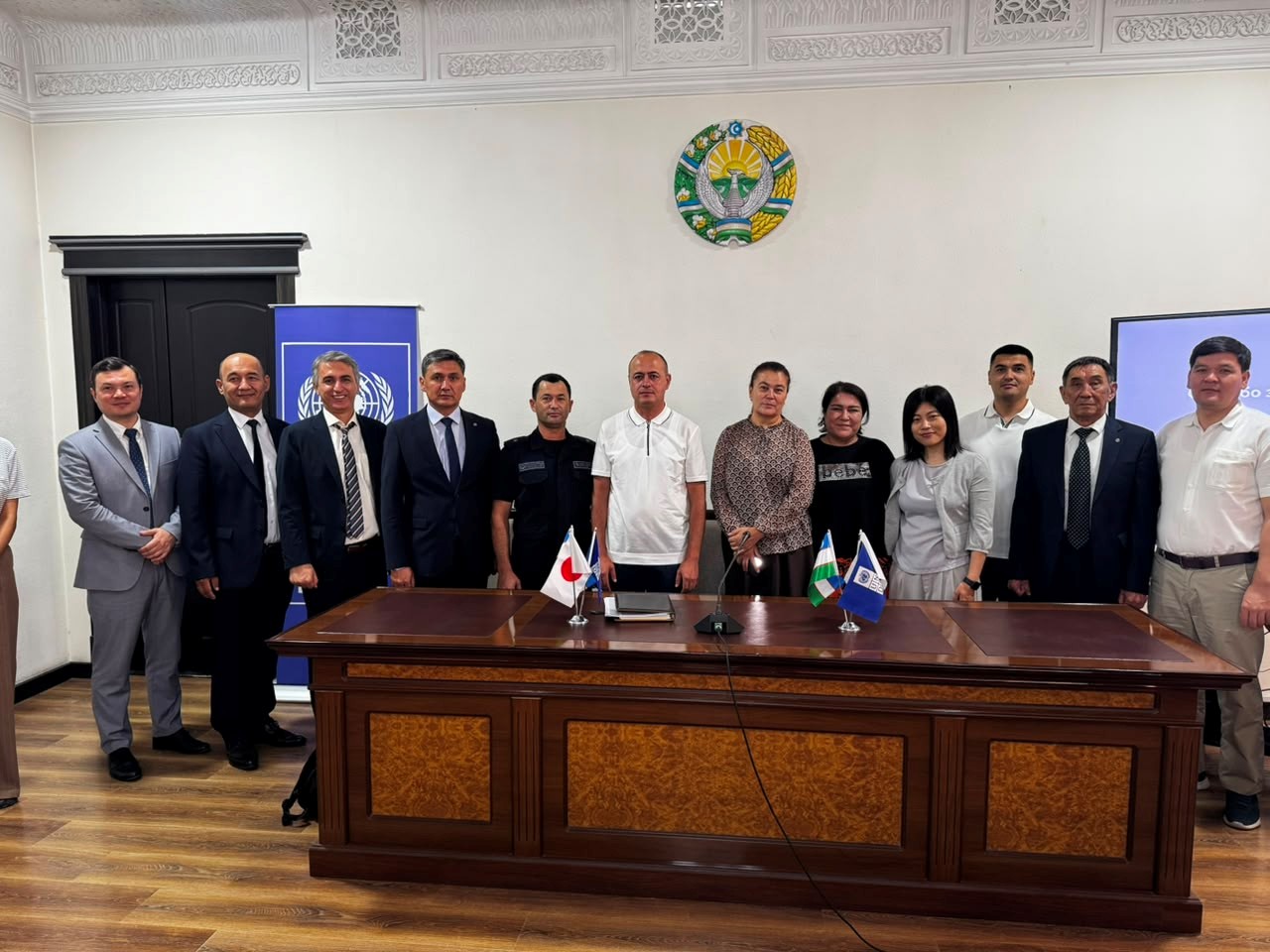
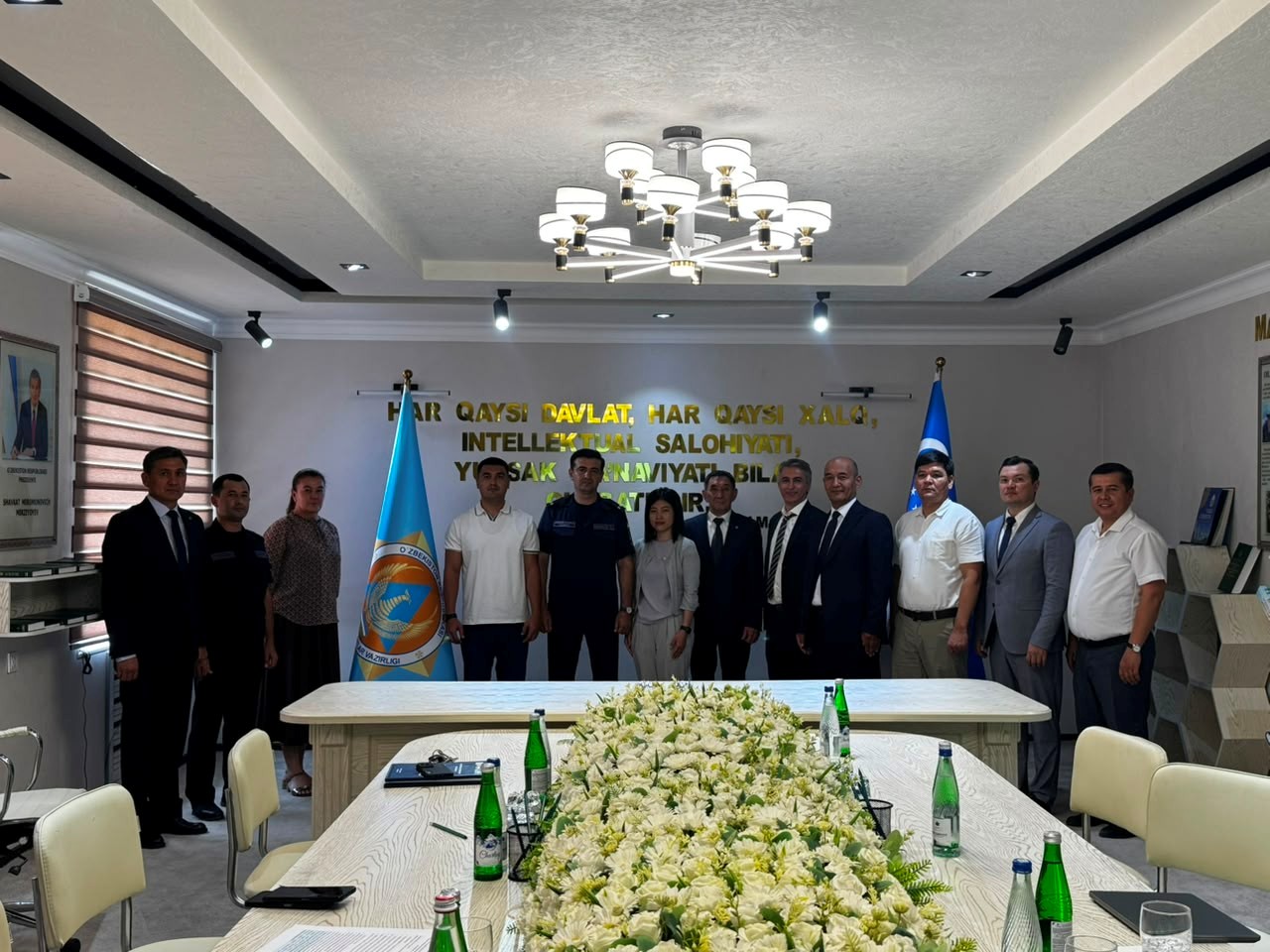
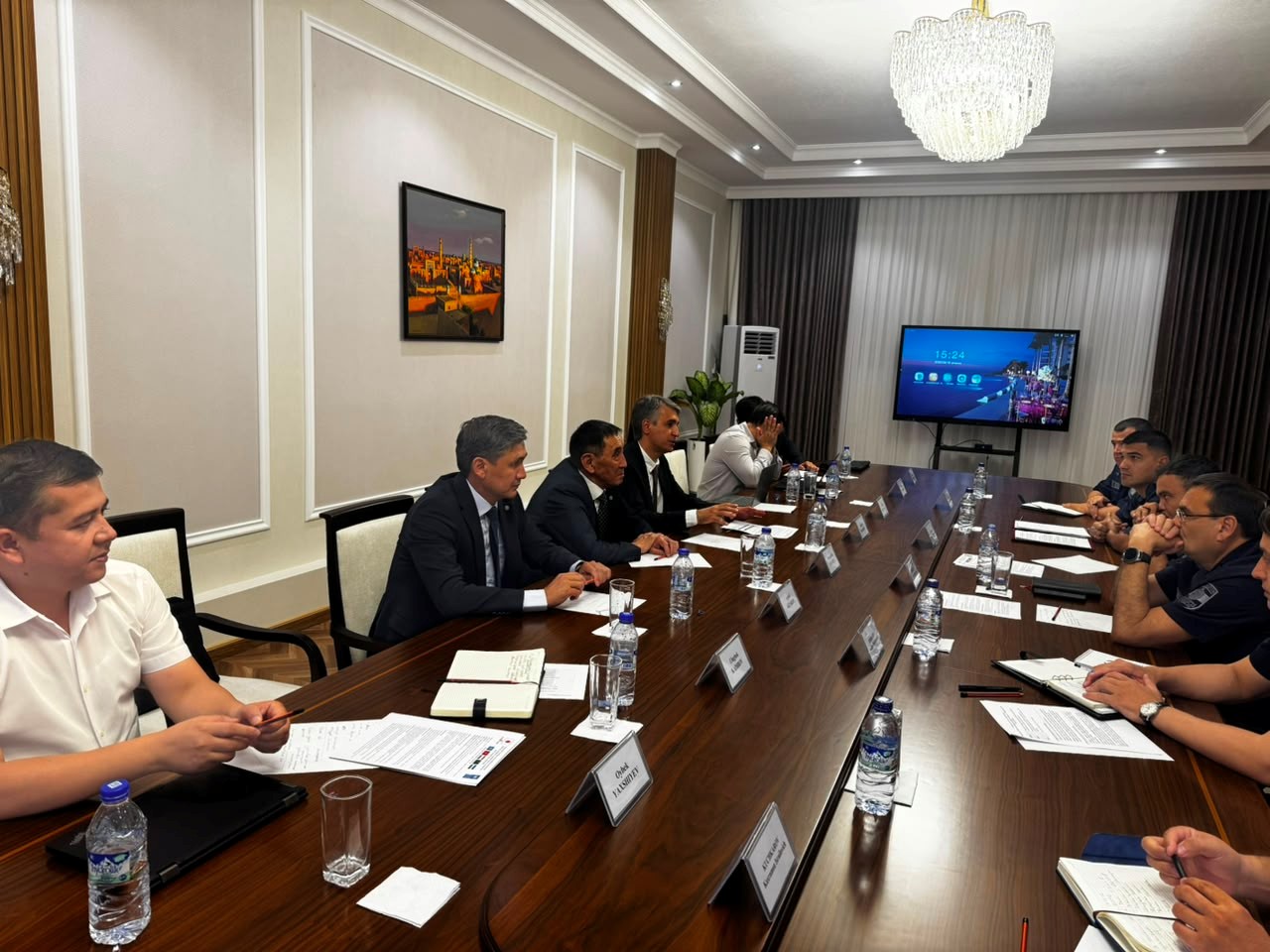
In July–August 2026, representatives of the Center for Emergency Situations and Disaster Risk Reduction, together with the UNDP Regional Project Team, conducted a series of working meetings in Tajikistan, Kyrgyzstan, Turkmenistan, and Uzbekistan as part of the implementation of the regional project “Strengthening the Disaster Risk Reduction System in Central Asia.”
The primary objective of the mission was to hold initial consultations with national emergency management authorities, relevant government institutions, seismological institutes, local government authorities, and other stakeholders, as well as to discuss practical mechanisms for implementing the project at both the national and regional levels.
During the meetings held across Central Asian countries, the project’s objectives, key areas of focus, and expected results were presented. The participants discussed the roles and responsibilities of key stakeholders and identified priority areas for further cooperation.
Particular attention was given to seismic risk management, the improvement of monitoring systems, the exchange of seismological data and expertise, and the application of modern technologies and international best practices.
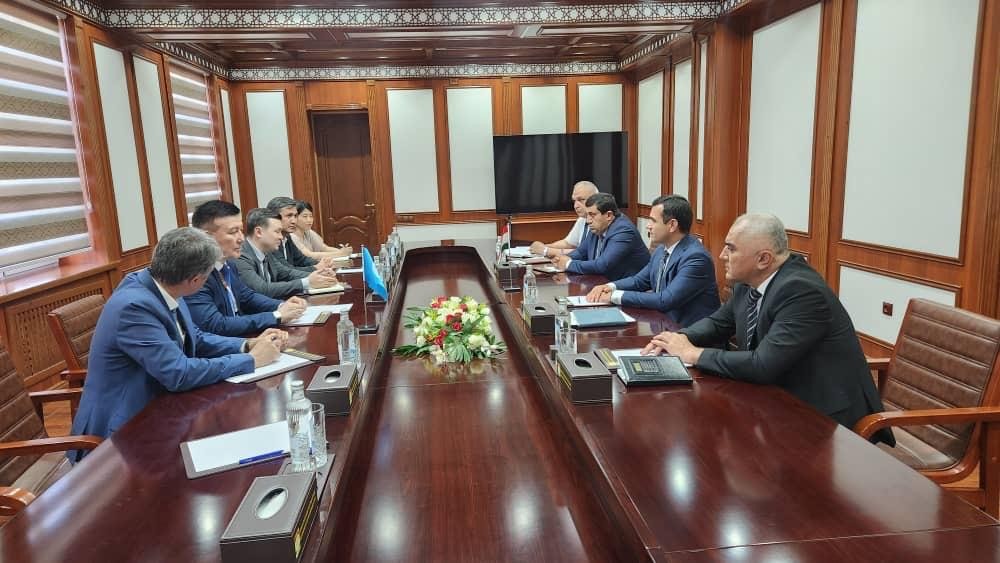
As part of the mission, working meetings were held with the leadership and specialists of national emergency management authorities, relevant seismological and scientific research institutions, local government authorities, and UNDP country offices in Tajikistan, Kyrgyzstan, Turkmenistan, and Uzbekistan. The discussions also focused on the implementation of practical project activities, including the identification of potential pilot educational facilities and preparations for measures aimed at strengthening their resilience to earthquakes.
In particular, consultations were held with relevant emergency management authorities, seismological institutes and scientific organizations, local government authorities in Dushanbe, Osh, Ashgabat, and Namangan, as well as other national partners and stakeholders.
Field visits were also conducted to potential pilot educational facilities. Particular attention during these visits was given to experience-sharing with Japan, including modern approaches to seismological monitoring, earthquake early warning, and strengthening the preparedness of educational institutions for emergencies. The participants discussed opportunities to adapt and subsequently scale up successful international practices, taking into account the national contexts and specific needs of Central Asian countries.
The consultations helped clarify the positions of national partners, identify their priorities and needs, discuss potential pilot facilities, and agree on the main areas for further cooperation.
As a result of the mission, a common understanding was reached on the key areas of project implementation. Further steps for cooperation with national and regional partners were identified, along with priorities for continued coordination at the regional level.
The series of working meetings held across the Central Asian countries marked an important stage in preparing for the practical implementation of the project. It also contributed to establishing a common regional approach to disaster risk reduction, seismic risk management, the development of early warning systems, and strengthening the resilience of vulnerable facilities and communities.
The Center will continue to coordinate regional cooperation with emergency management and relevant authorities of the Central Asian countries and UNDP to ensure the coordinated implementation of the project and further strengthen practical cooperation across the region.