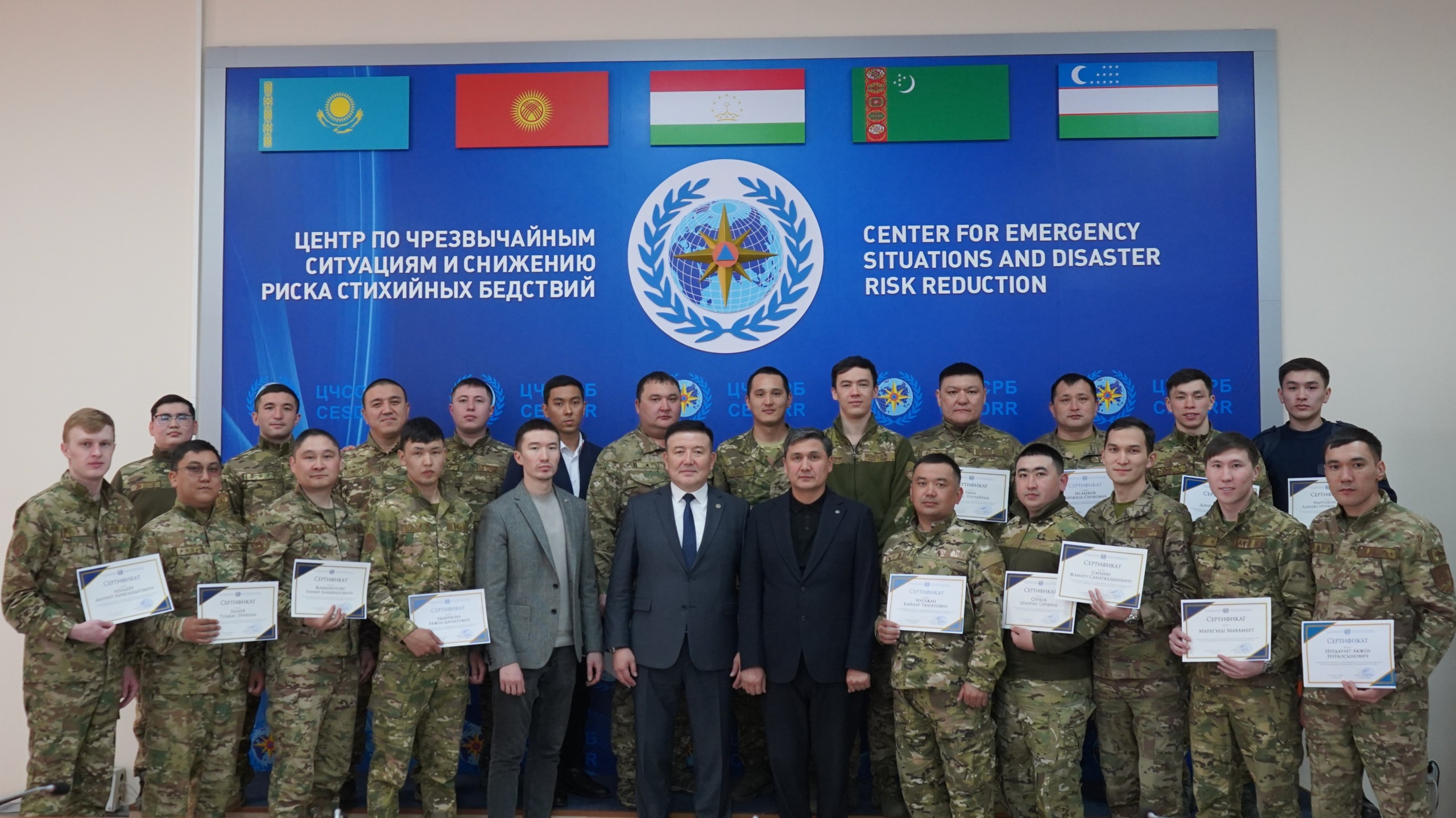
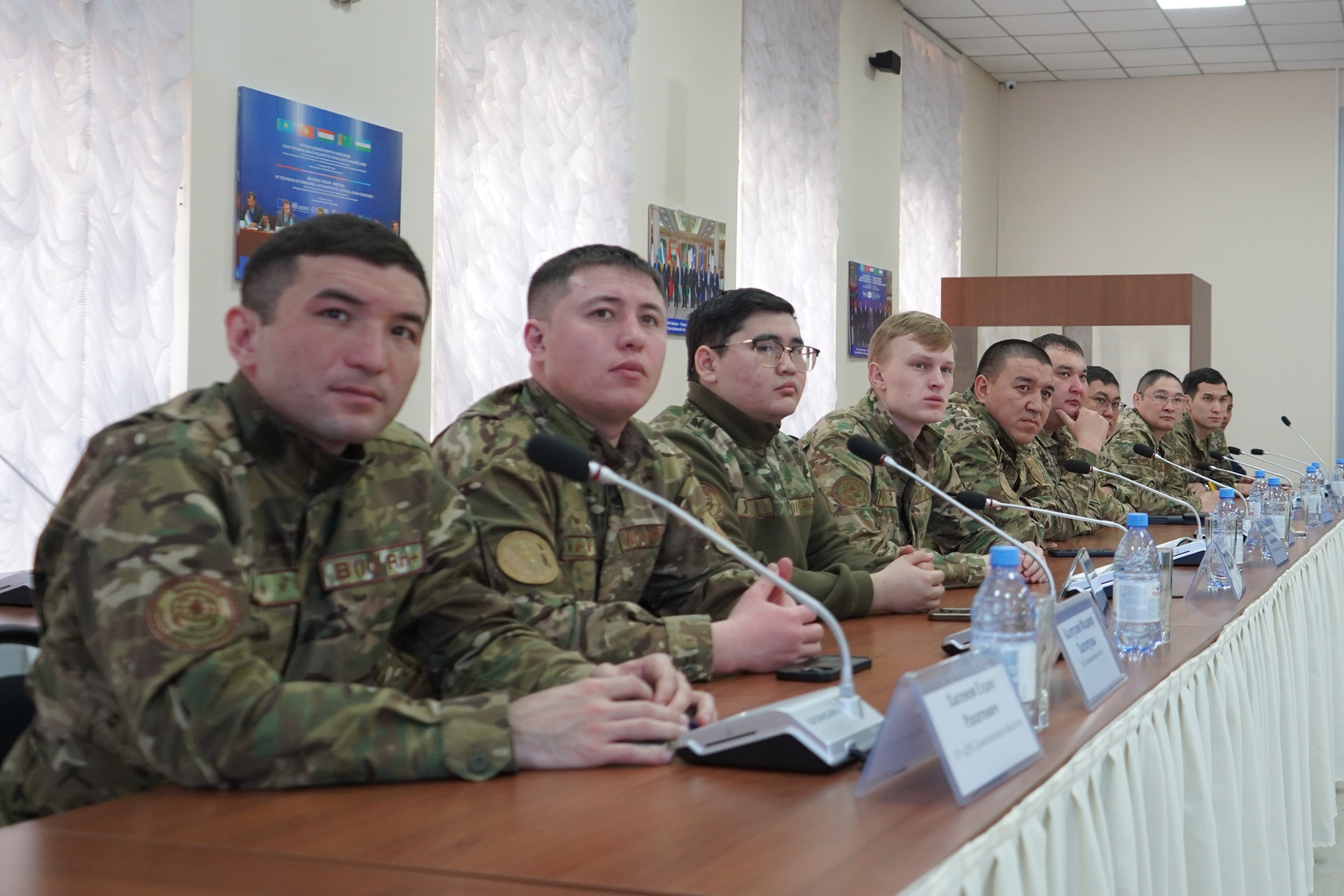
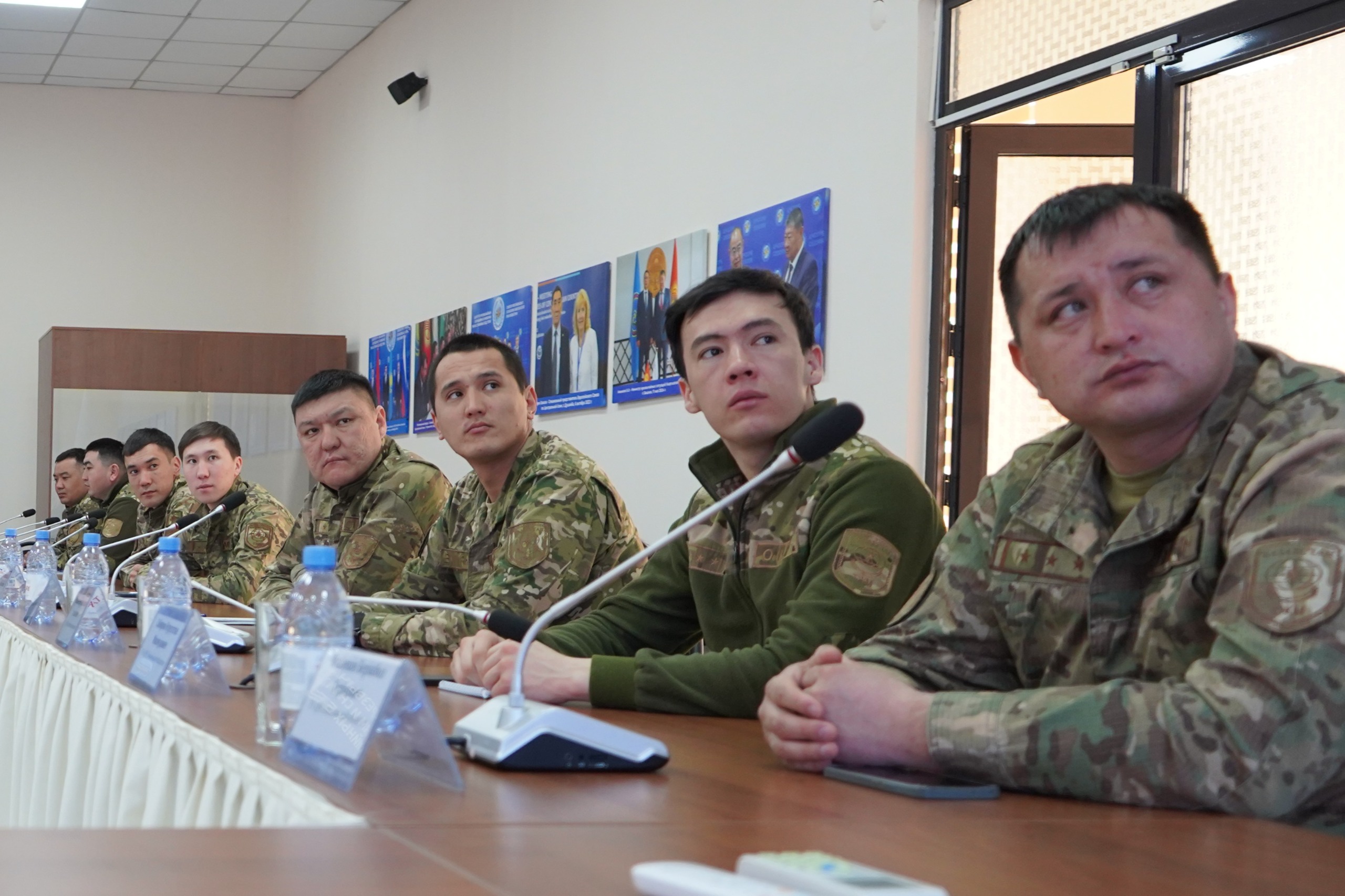
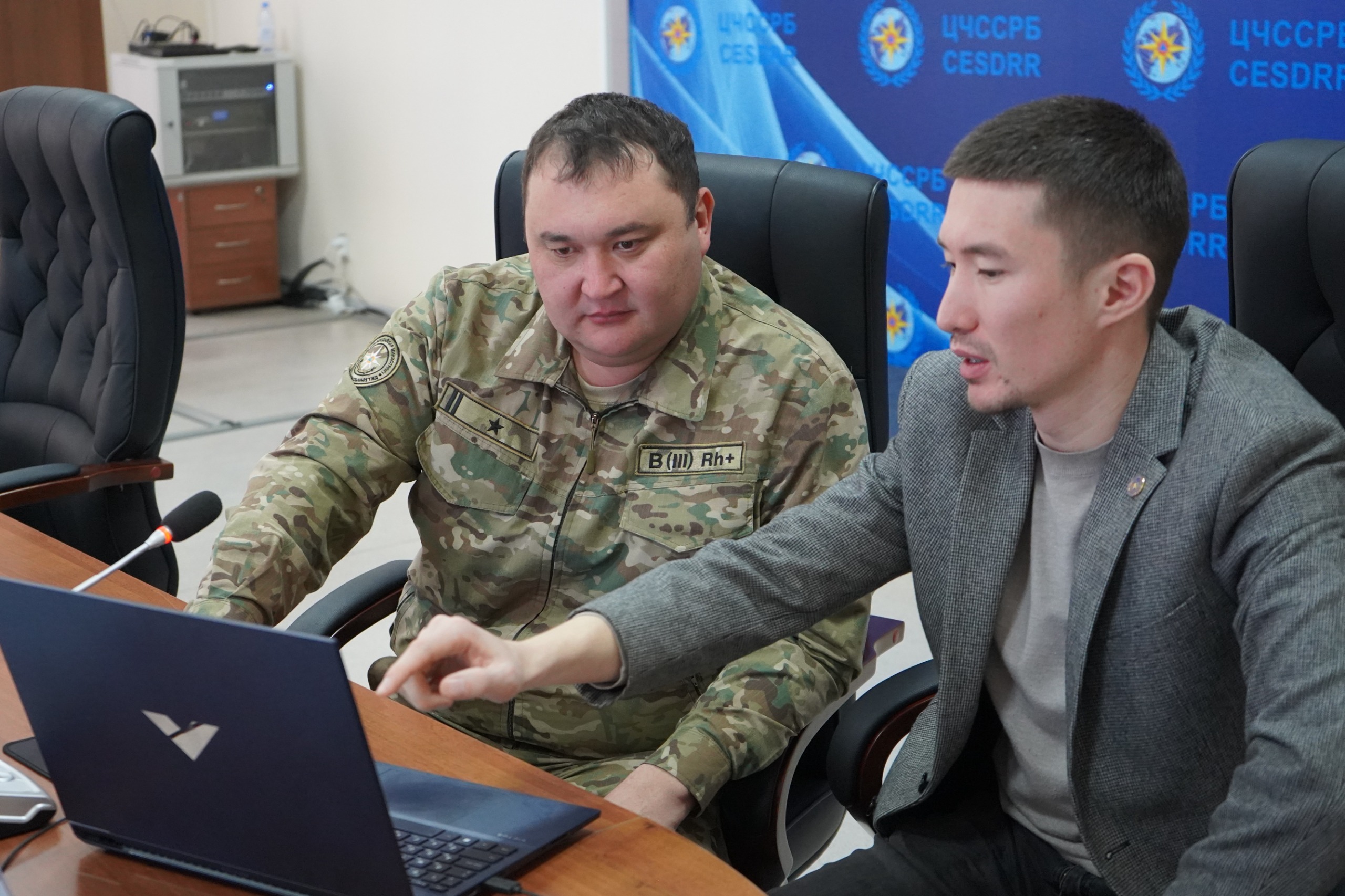
The Center conducted training for employees of the Department of Emergency Situations of Almaty Region on the operation of unmanned aircraft systems
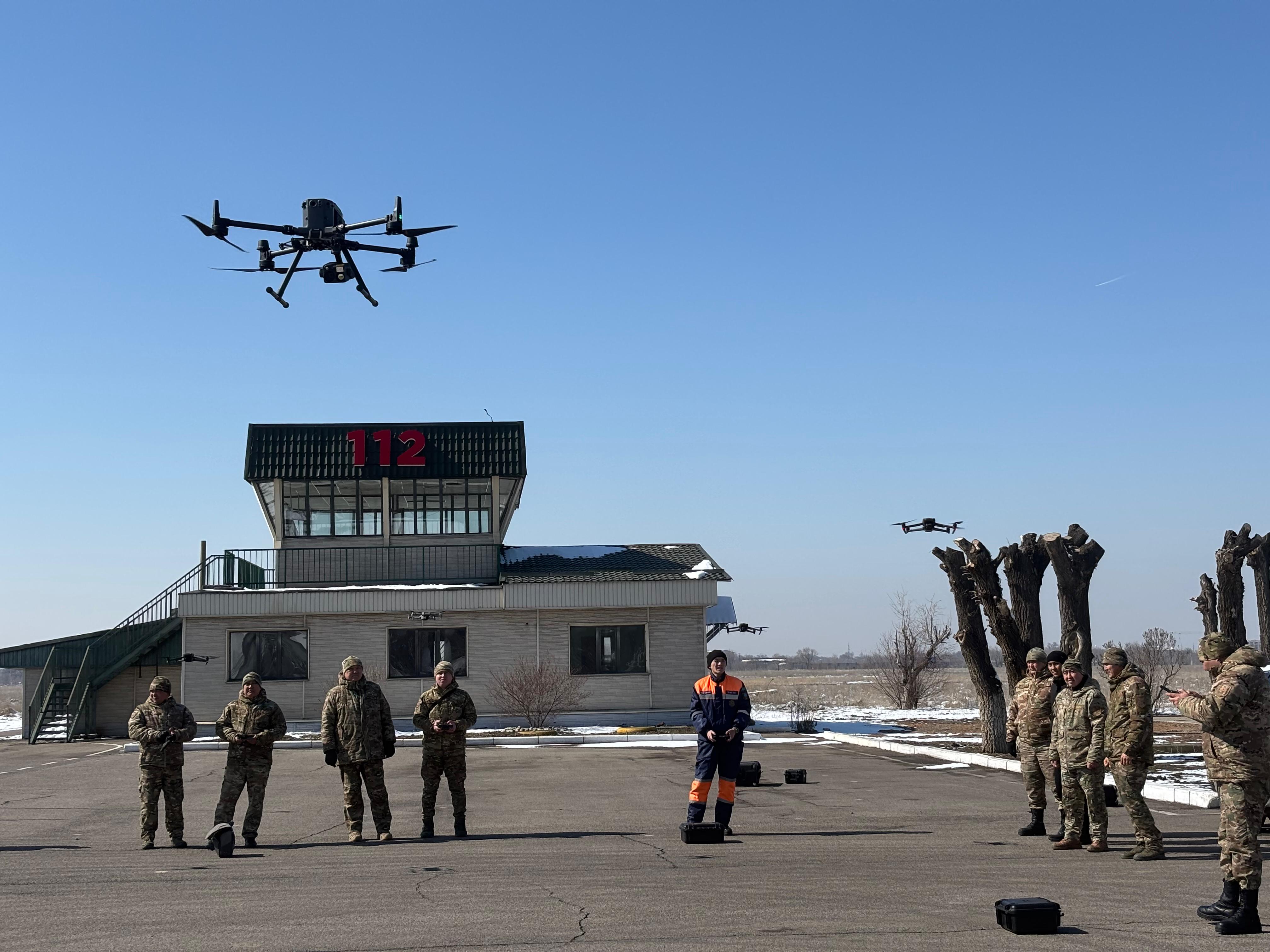
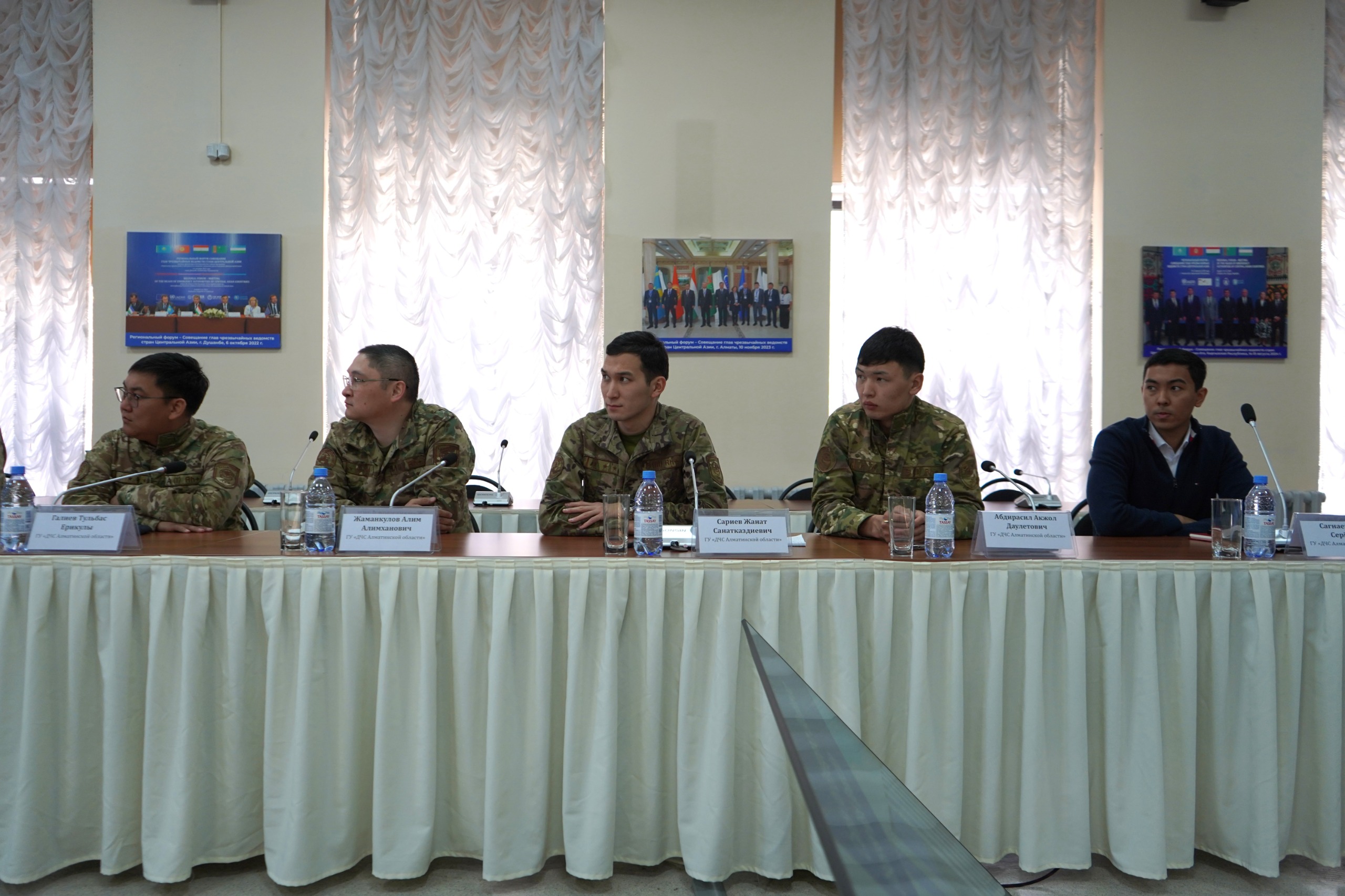
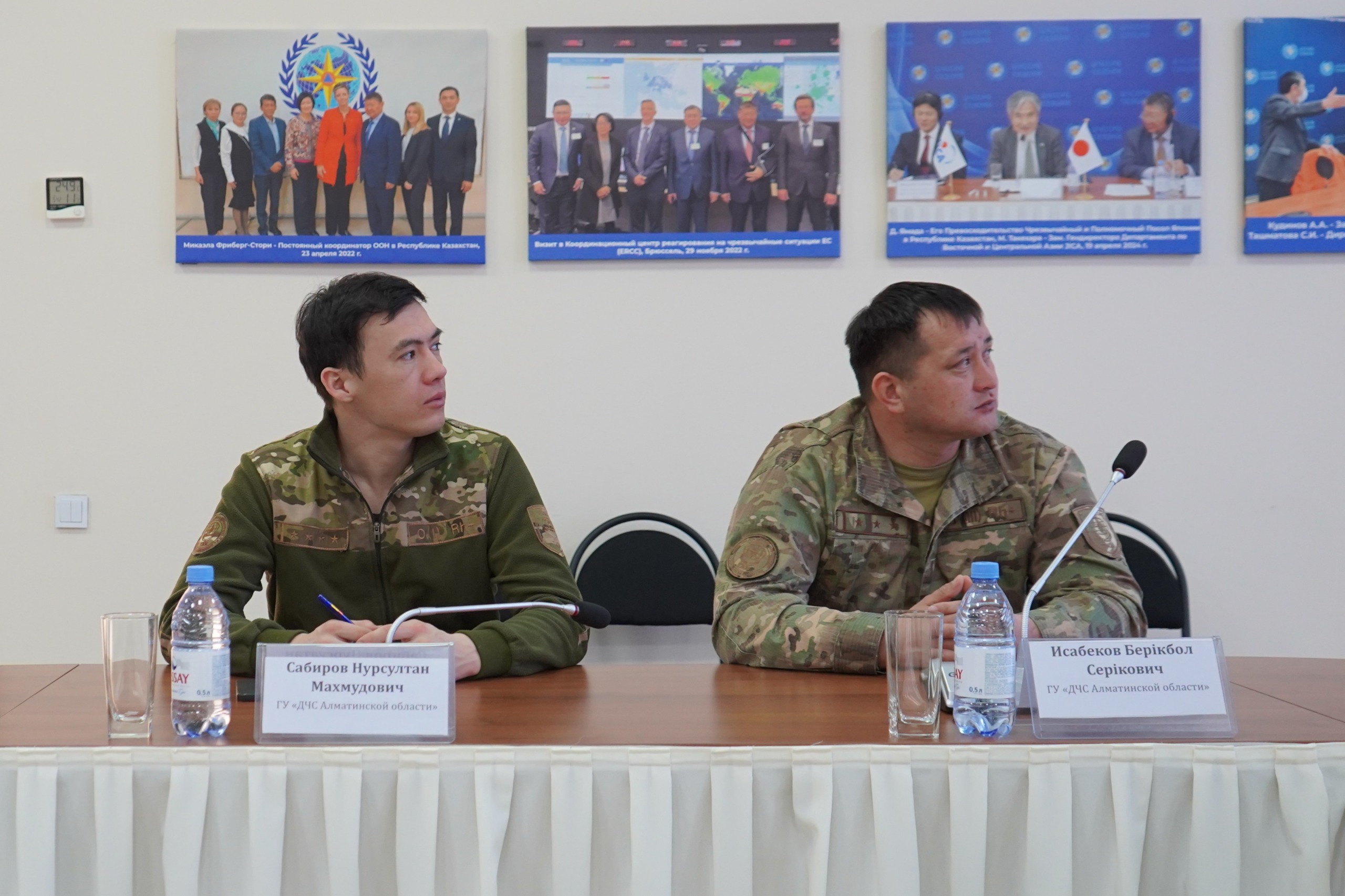
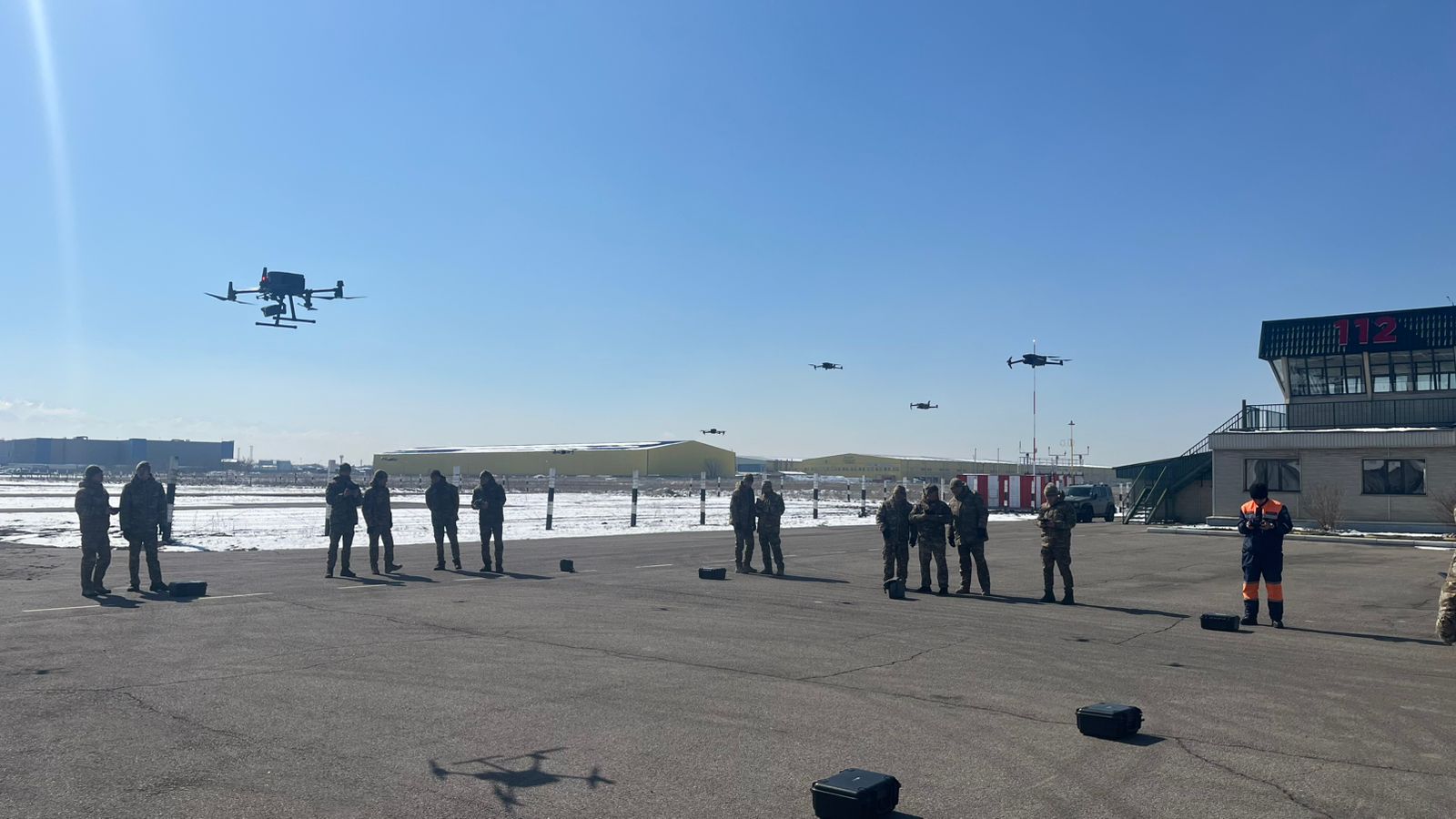
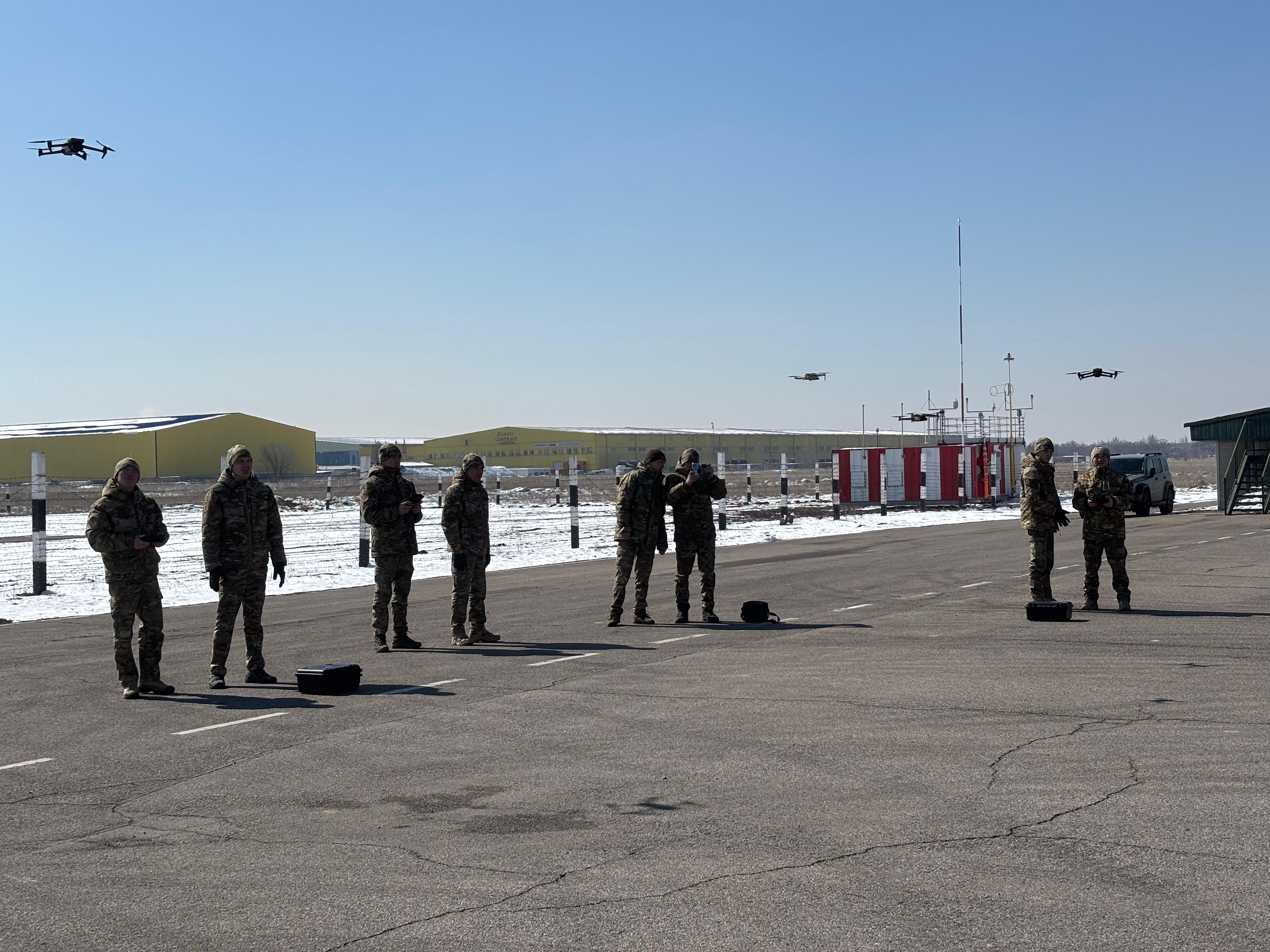
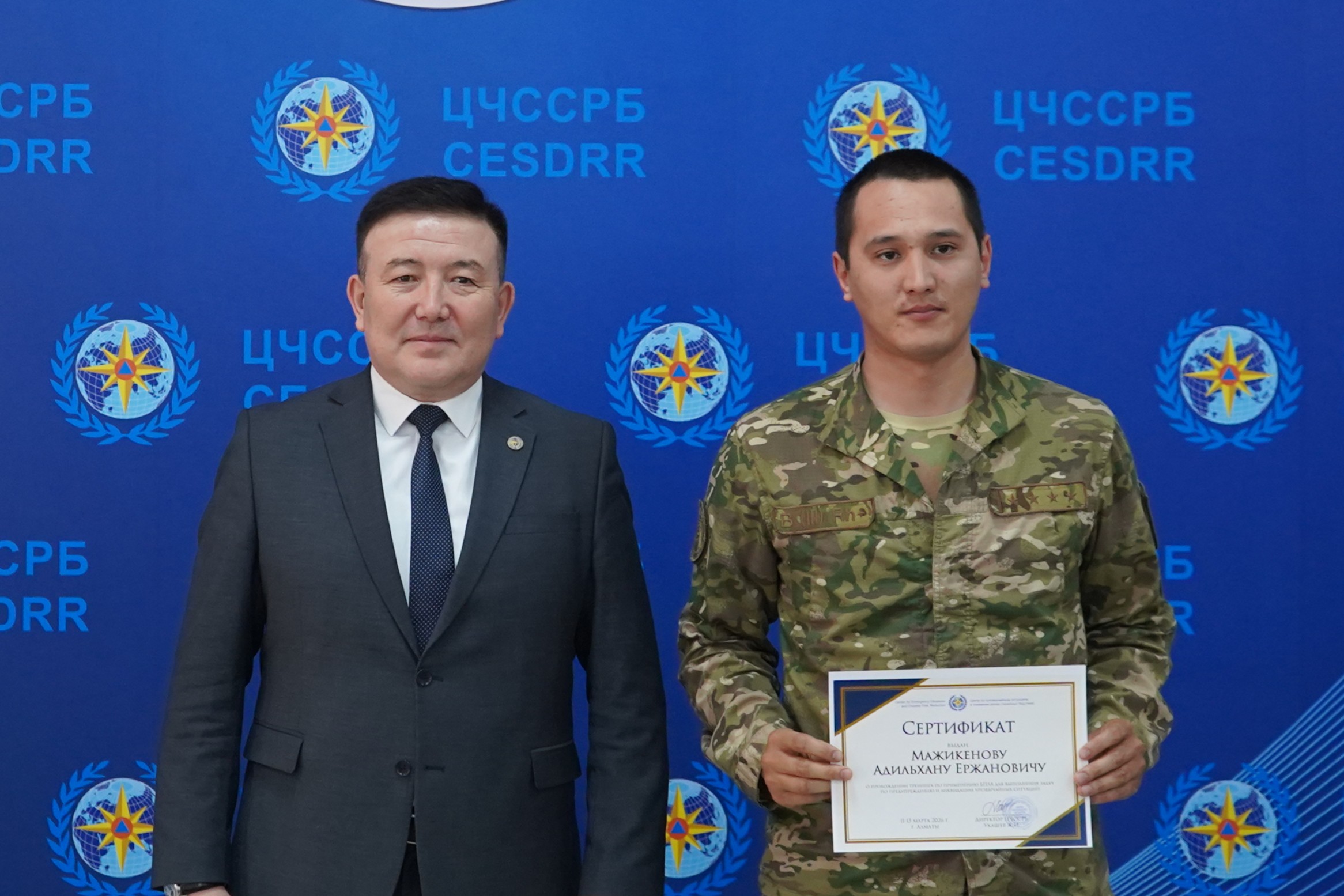
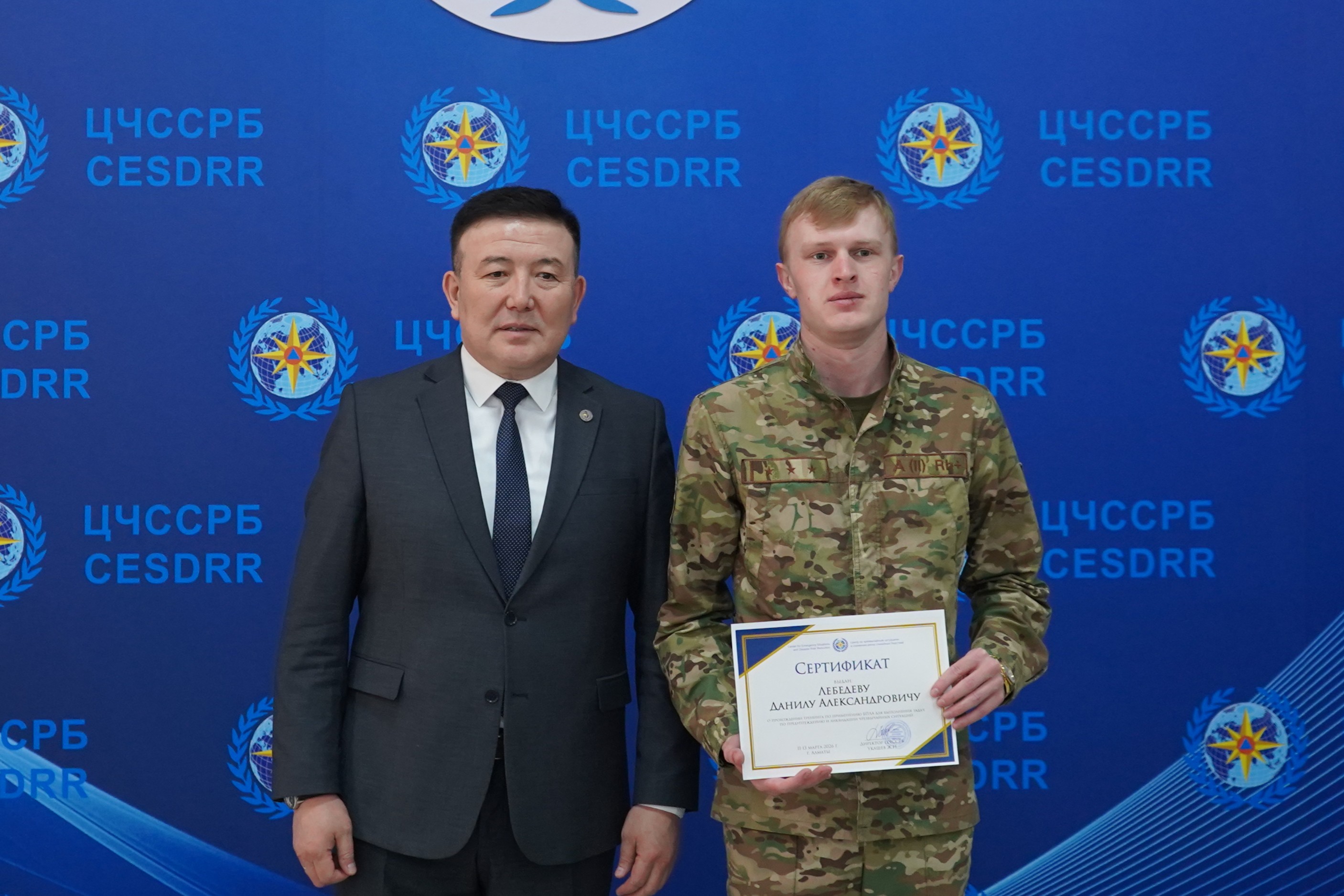
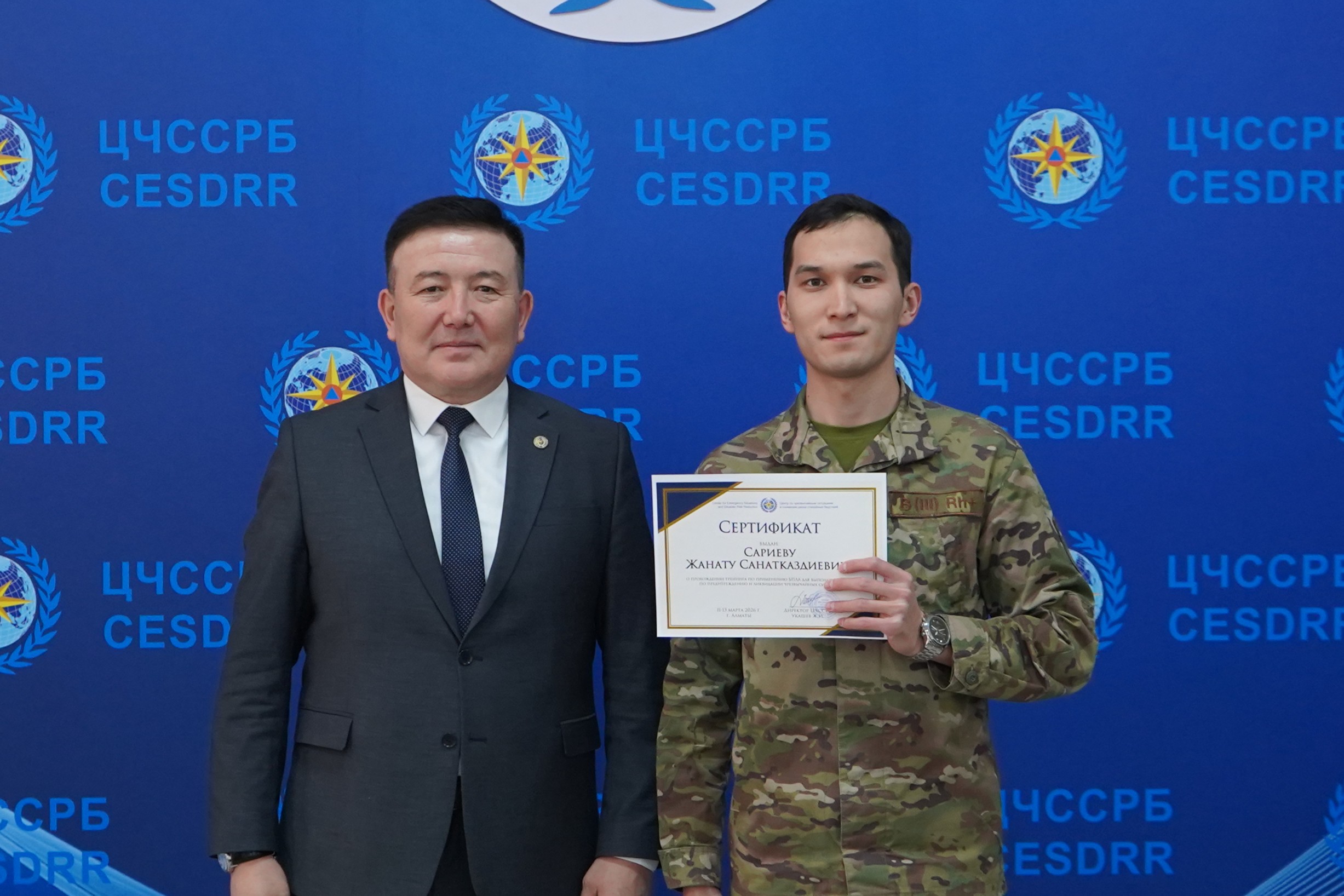
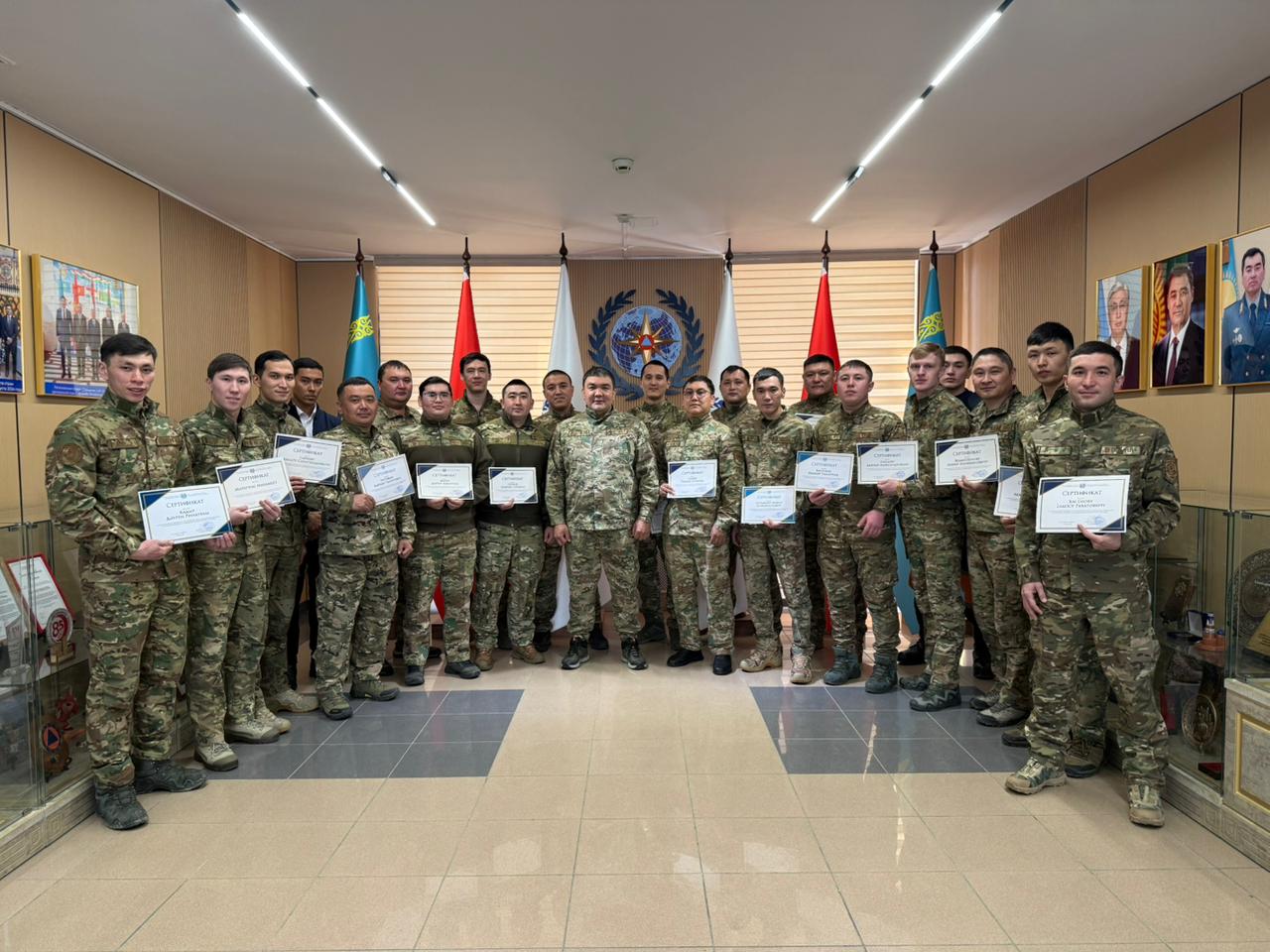
From March 11 to 13, the Center for Emergency Situations and Disaster Risk Reduction (hereinafter referred to as the Center) hosted a specialized training course for staff of the Department of Emergency Situations of the Almaty Region. The program focused on both the theoretical and practical aspects of operating unmanned aerial vehicles (UAVs).
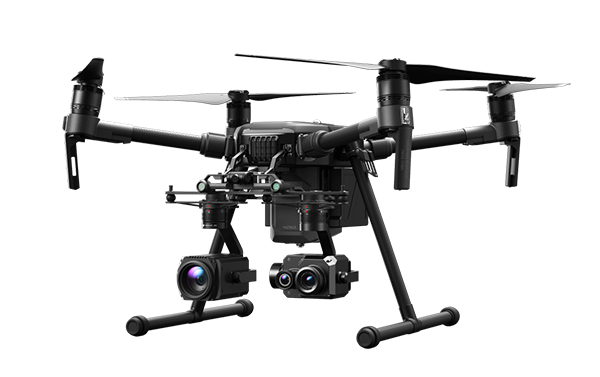
The main objective of the training was to enhance the professional qualifications of personnel and integrate modern digital solutions into emergency monitoring and response processes. Given the challenging terrain of the Almaty Region, the use of drones has become a critically important factor in the successful conduct of search and rescue operations, the detection of fire hotspots in hard-to-reach areas, and the collection of data for оперативе reporting to headquarters.
The training program was divided into several key modules, covering the full cycle of work with unmanned systems:
- Technical fundamentals and safety: Participants studied the basics of aerodynamics, airspace regulations, and the rules for the safe operation of drones in extreme conditions.
- Search and monitoring operations: Practical sessions focused on methods for surveying hard-to-access terrain. The use of UAVs makes it possible to quickly locate victims and detect fire sources while minimizing risks to rescue personnel.
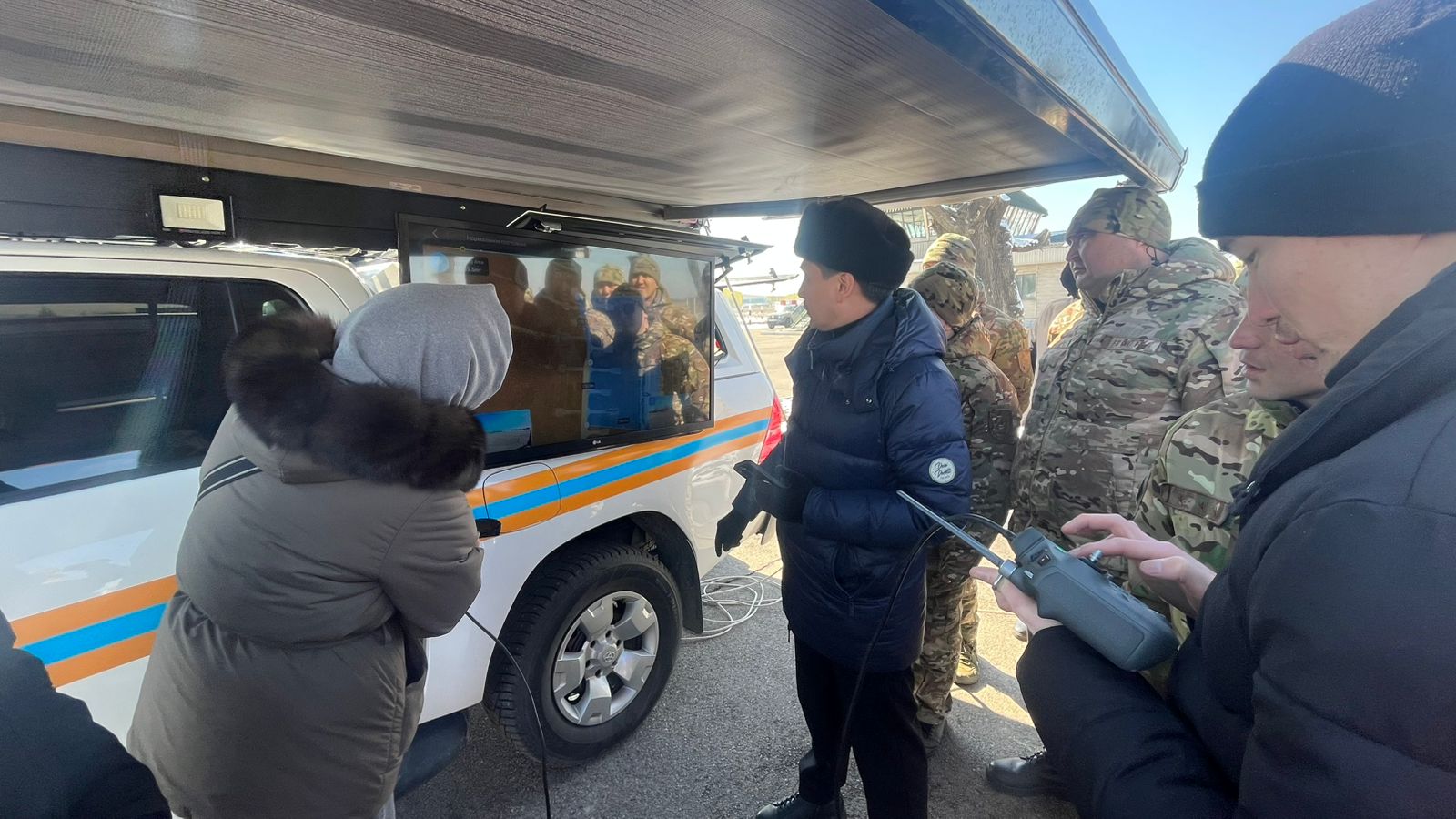
- Assessment of the scale of emergencies: Particular attention was given to data collection in disaster zones to support prompt reporting to headquarters and informed decision-making.
- Data processing: An important part of the course was training in the use of professional software, specifically Pix4Dmapper. Specialists learned how to process aerial imagery to create highly accurate orthophotos and 3D terrain models, which are essential for the effective analysis of disaster impacts.
Such training courses help create a unified technological environment among the region’s rescue units. Improved response speed and greater accuracy of the data obtained significantly reduce the time required to locate people and enhance the effectiveness of emergency response to both natural and man-made disasters.
The introduction of unmanned technologies is not merely about following modern trends; it is a practical life-saving tool that provides an aerial view of the situation in areas where access for ground teams is difficult or impossible.