The Center Took Part in a Panel Session on Early Warning Systems in Central Asia
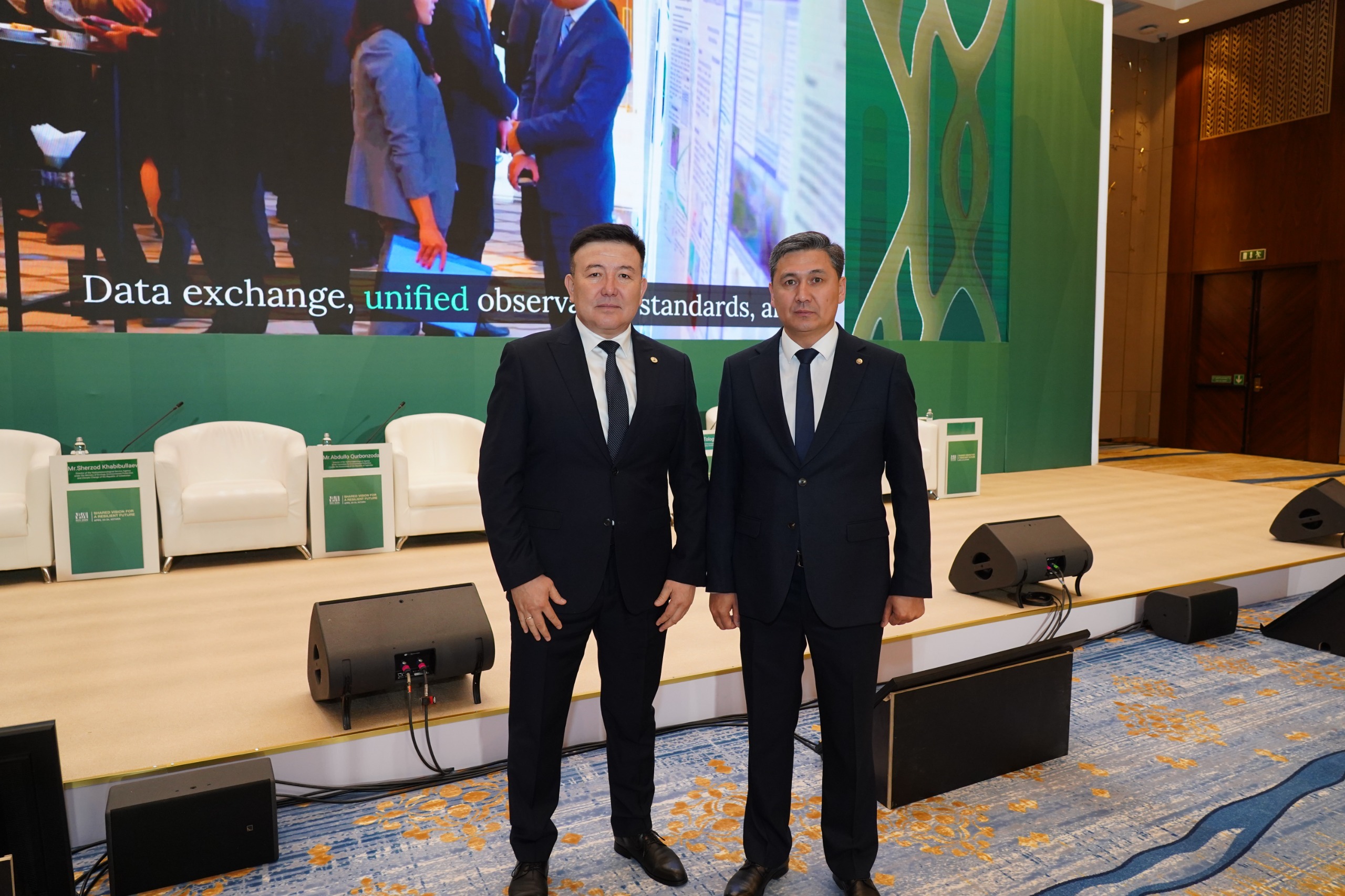
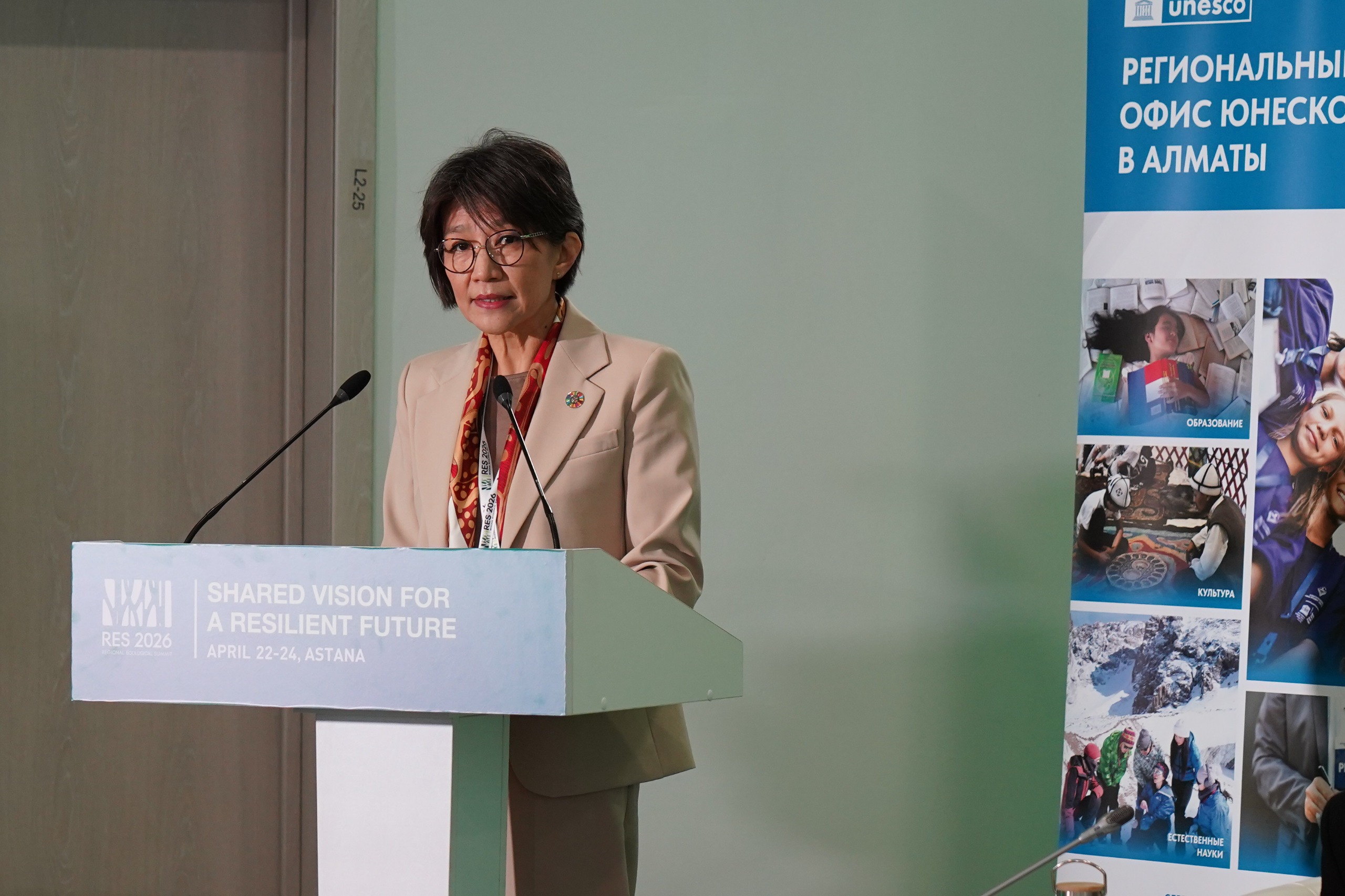
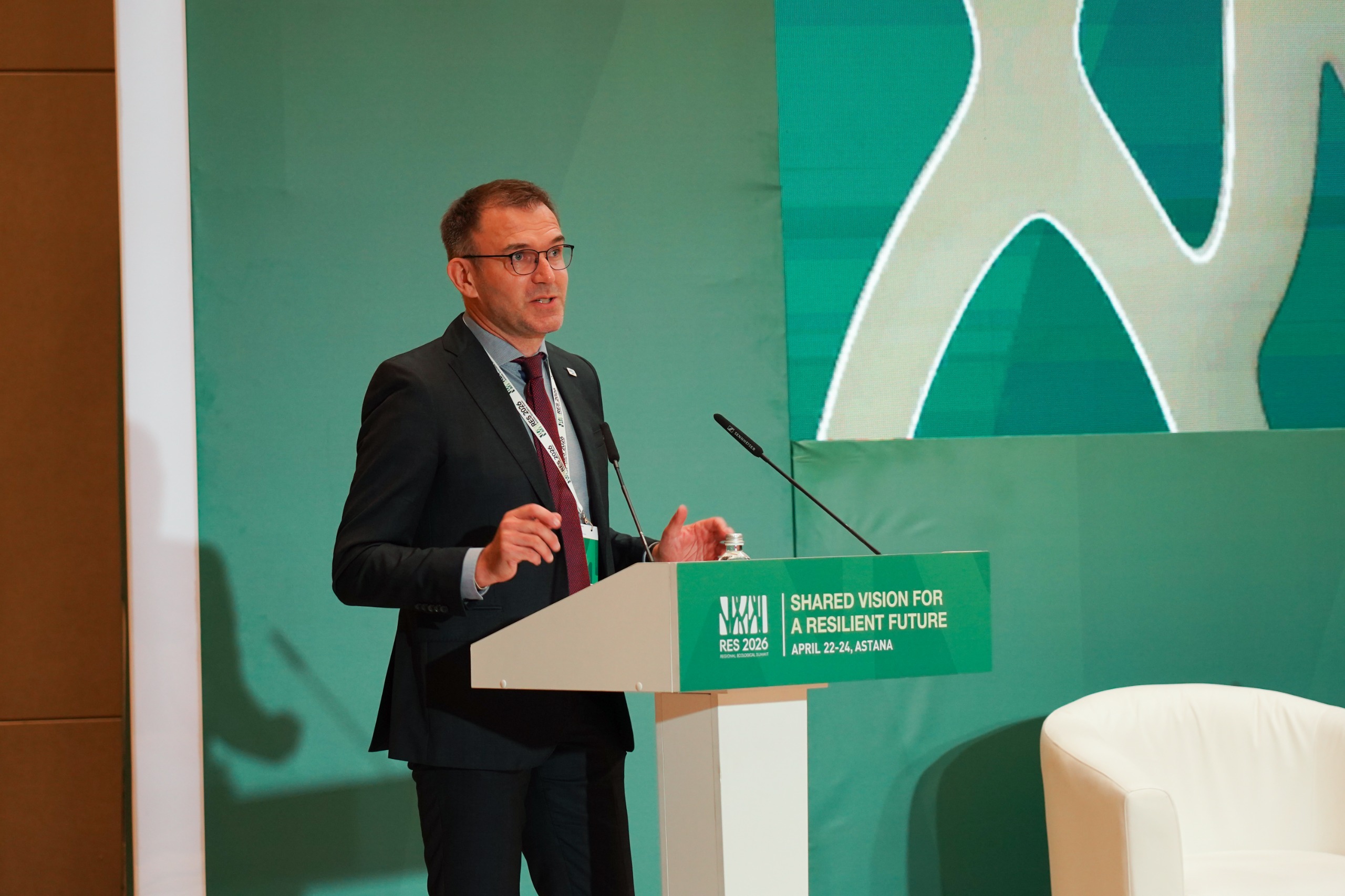
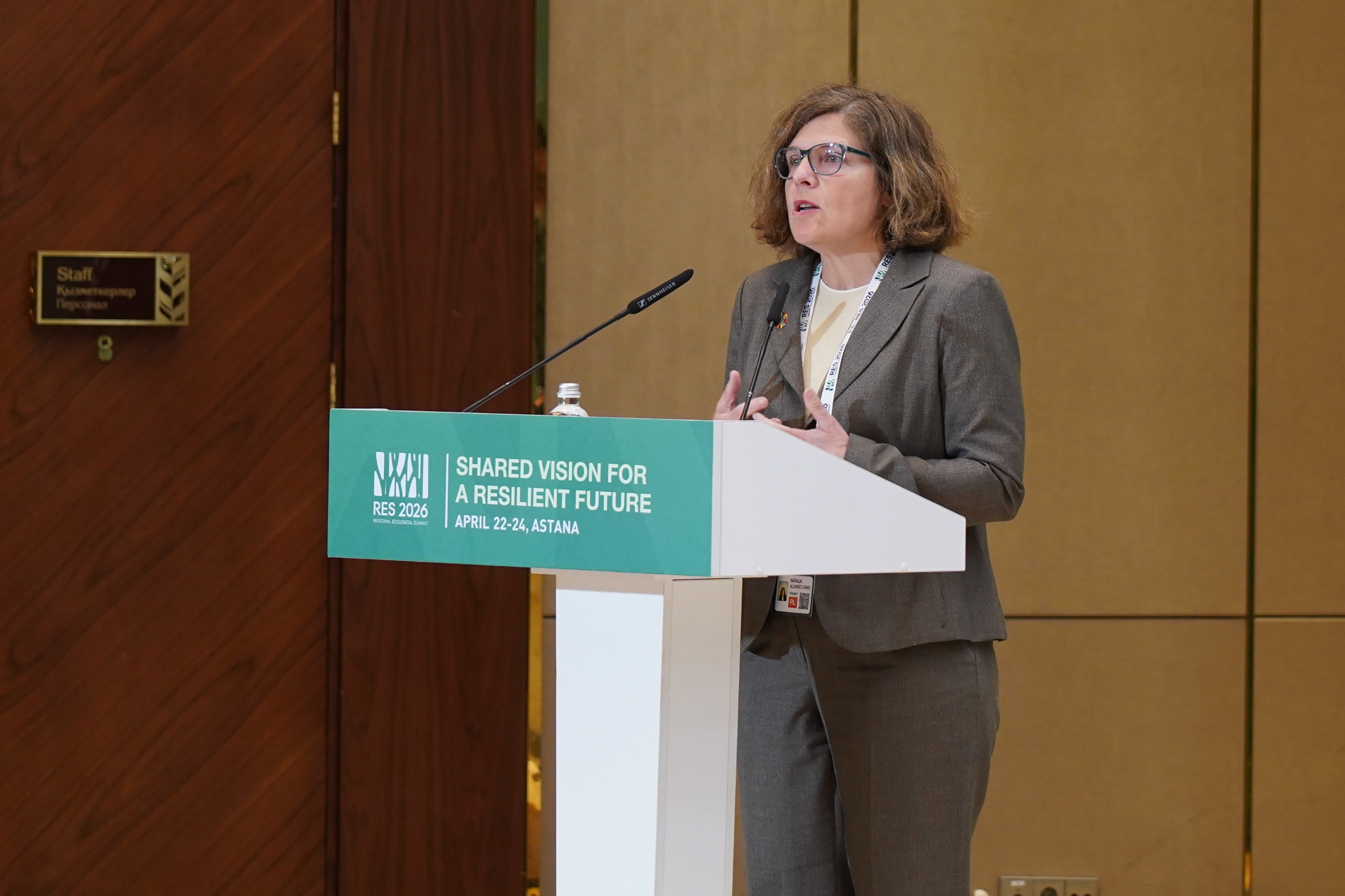
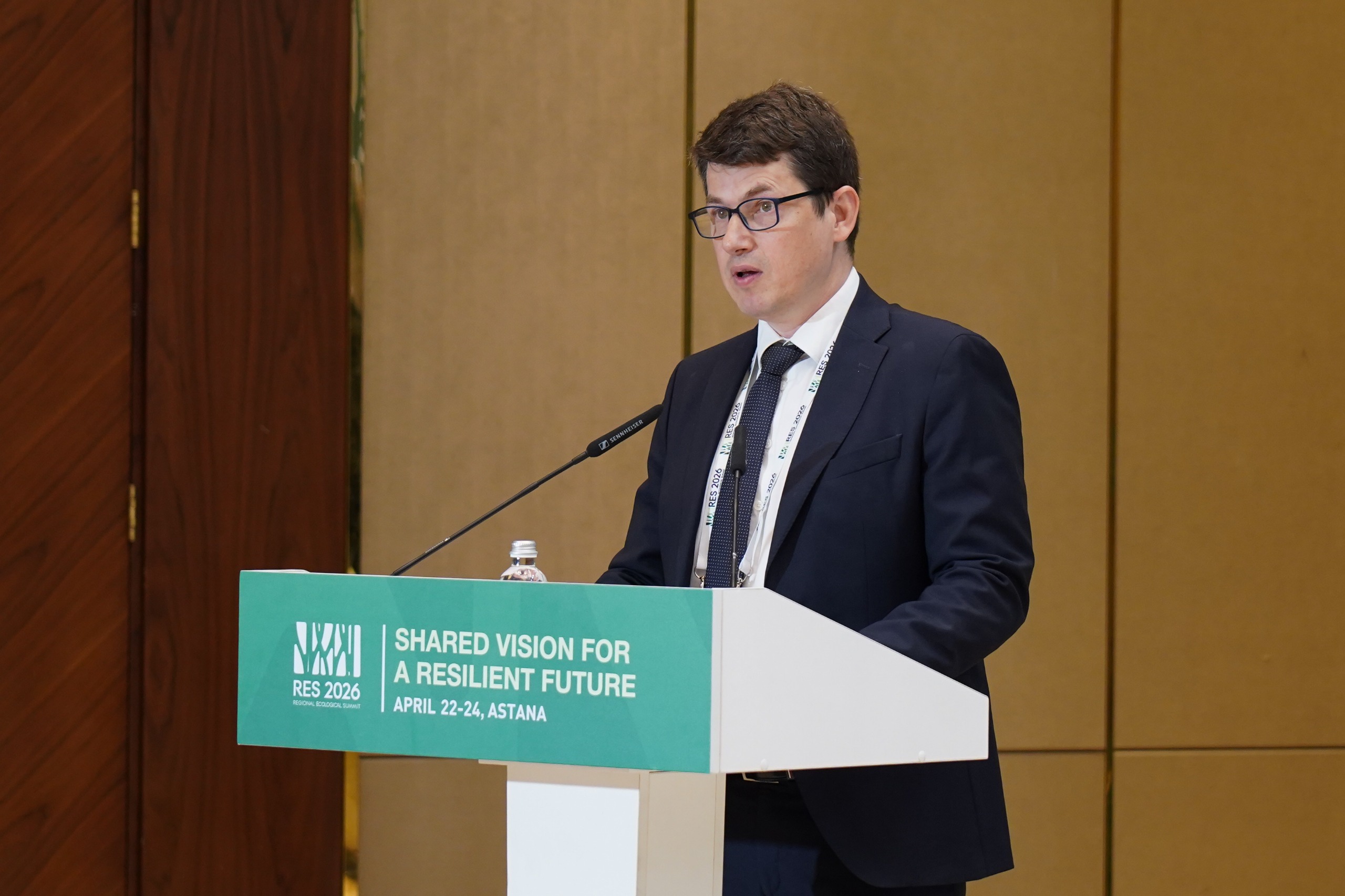
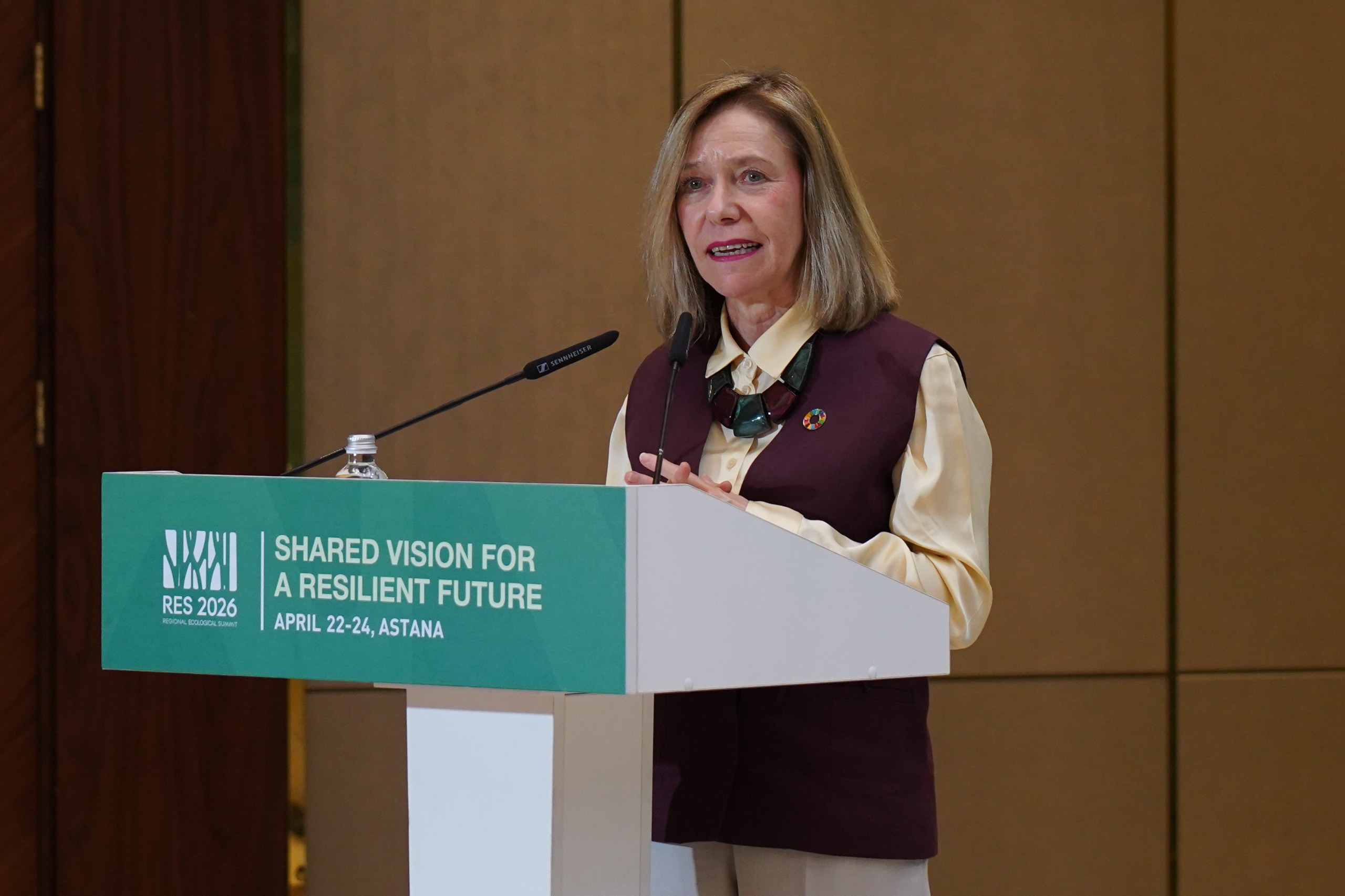
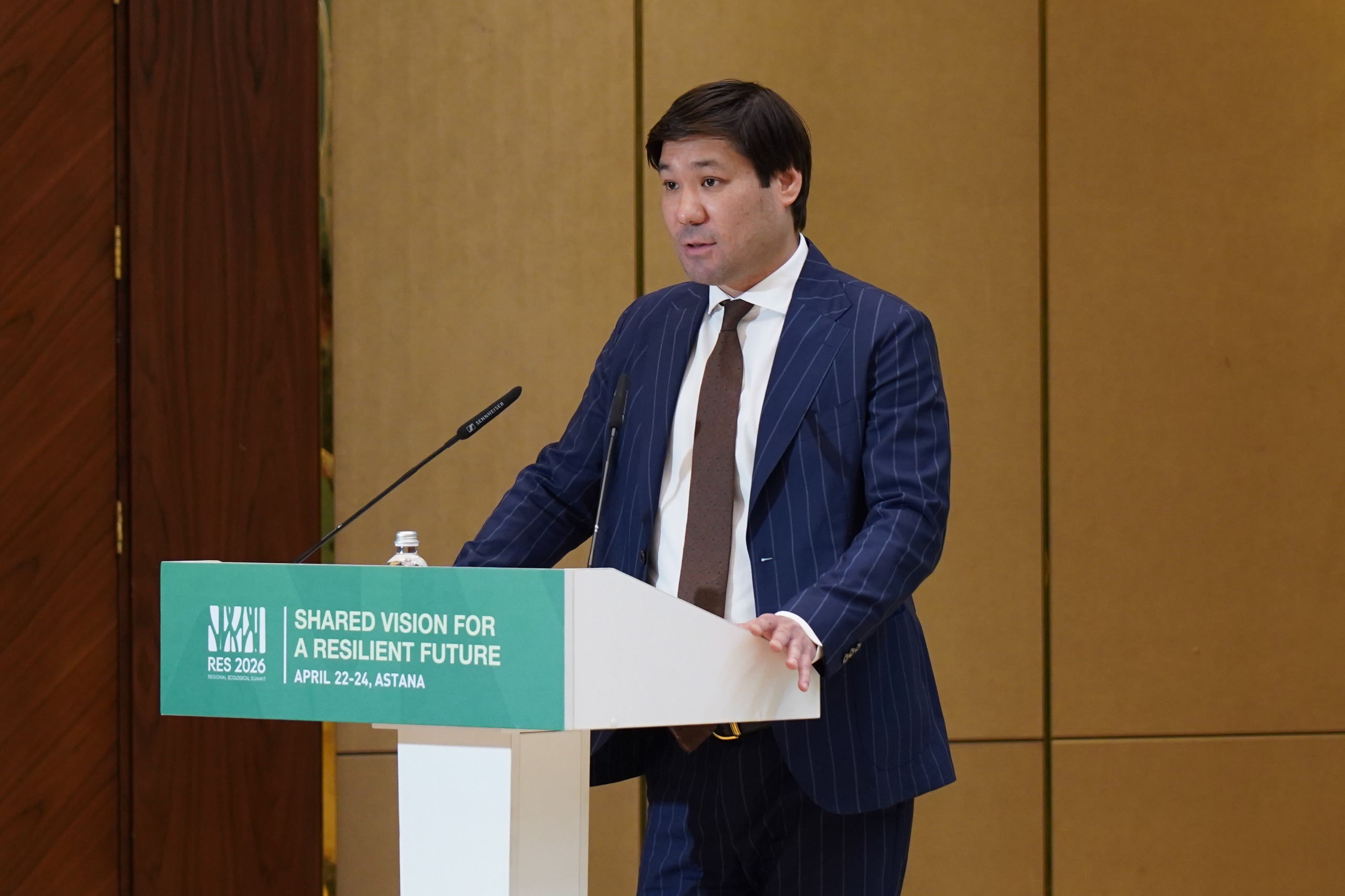
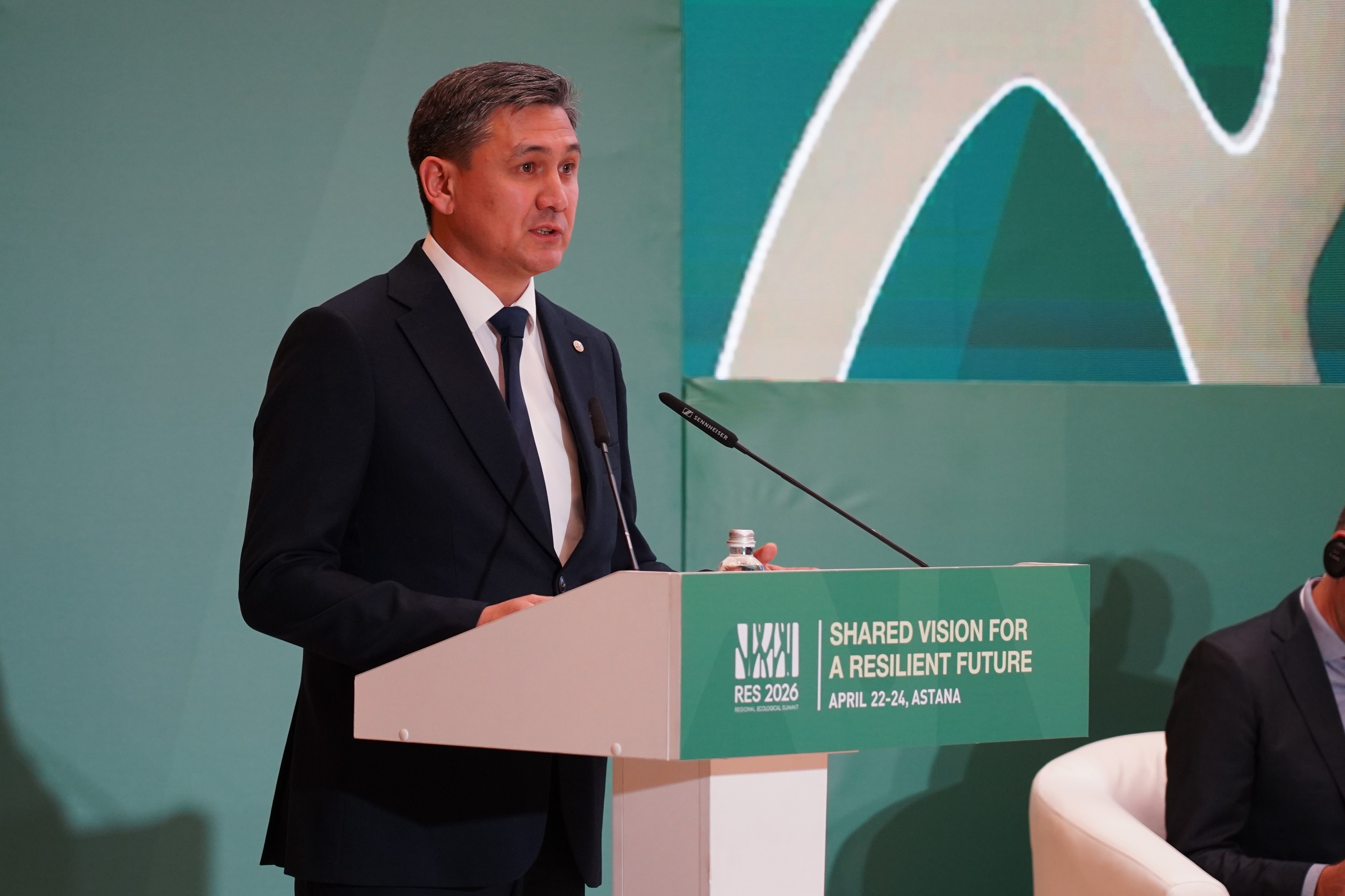
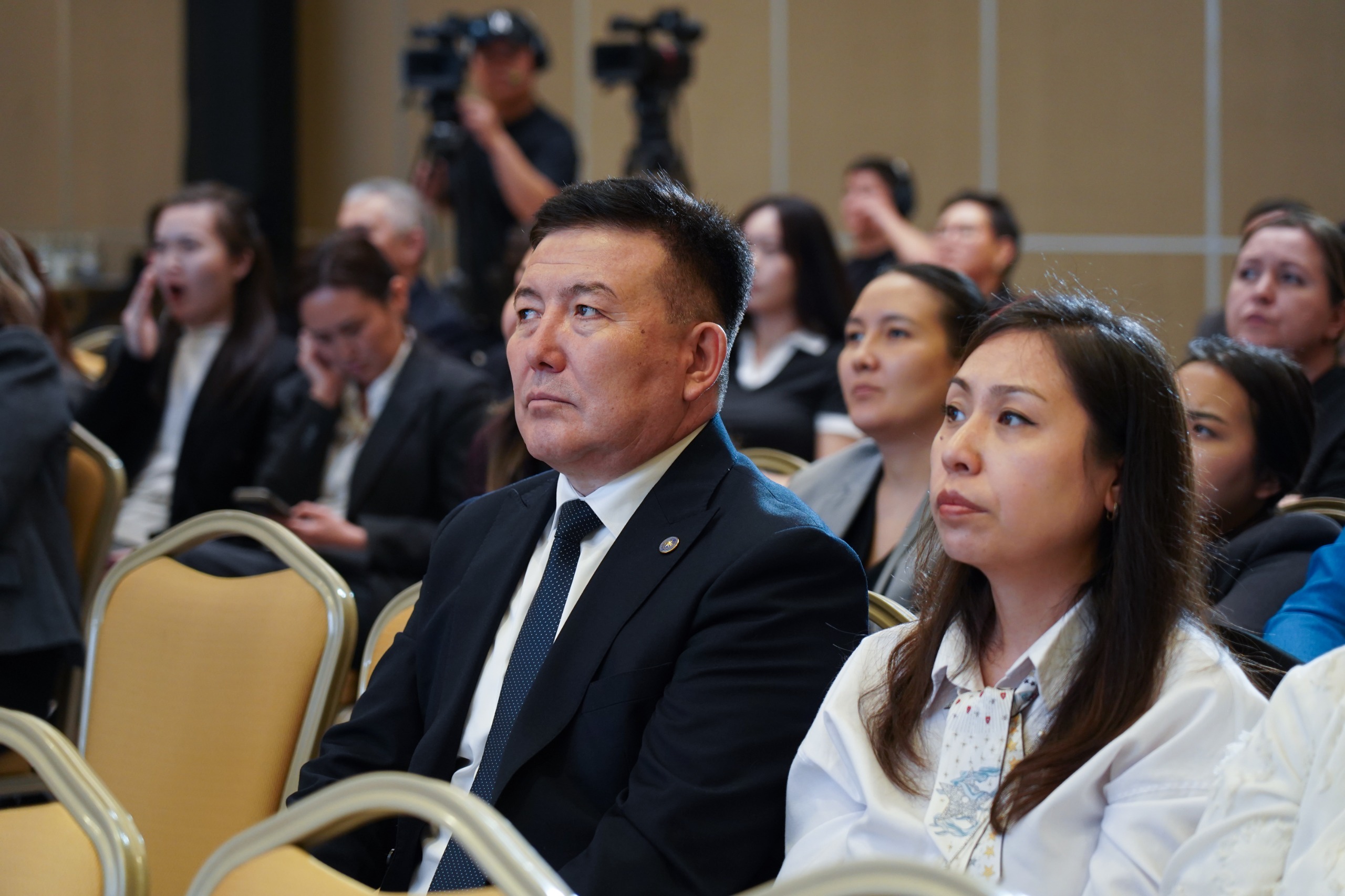
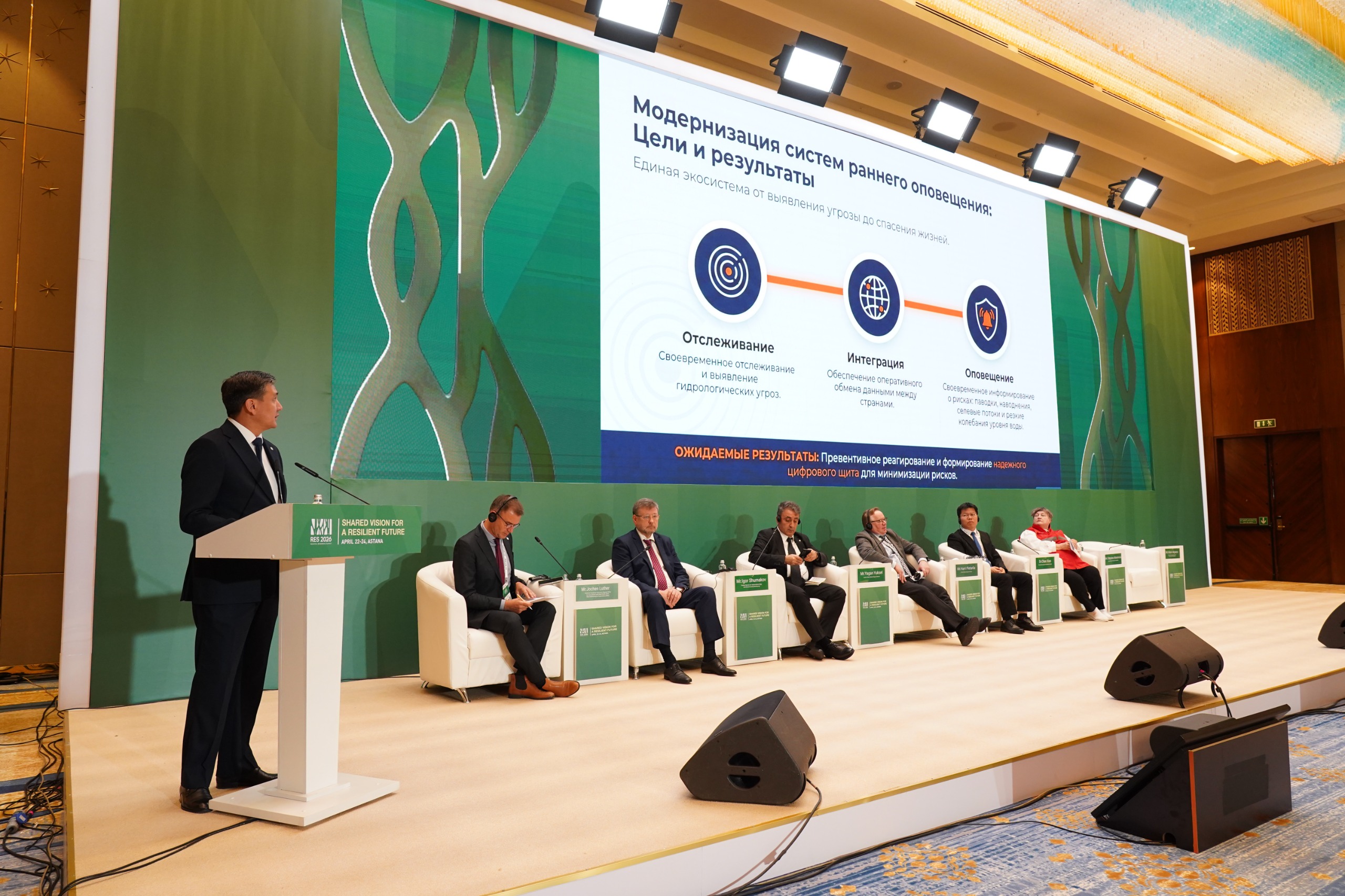
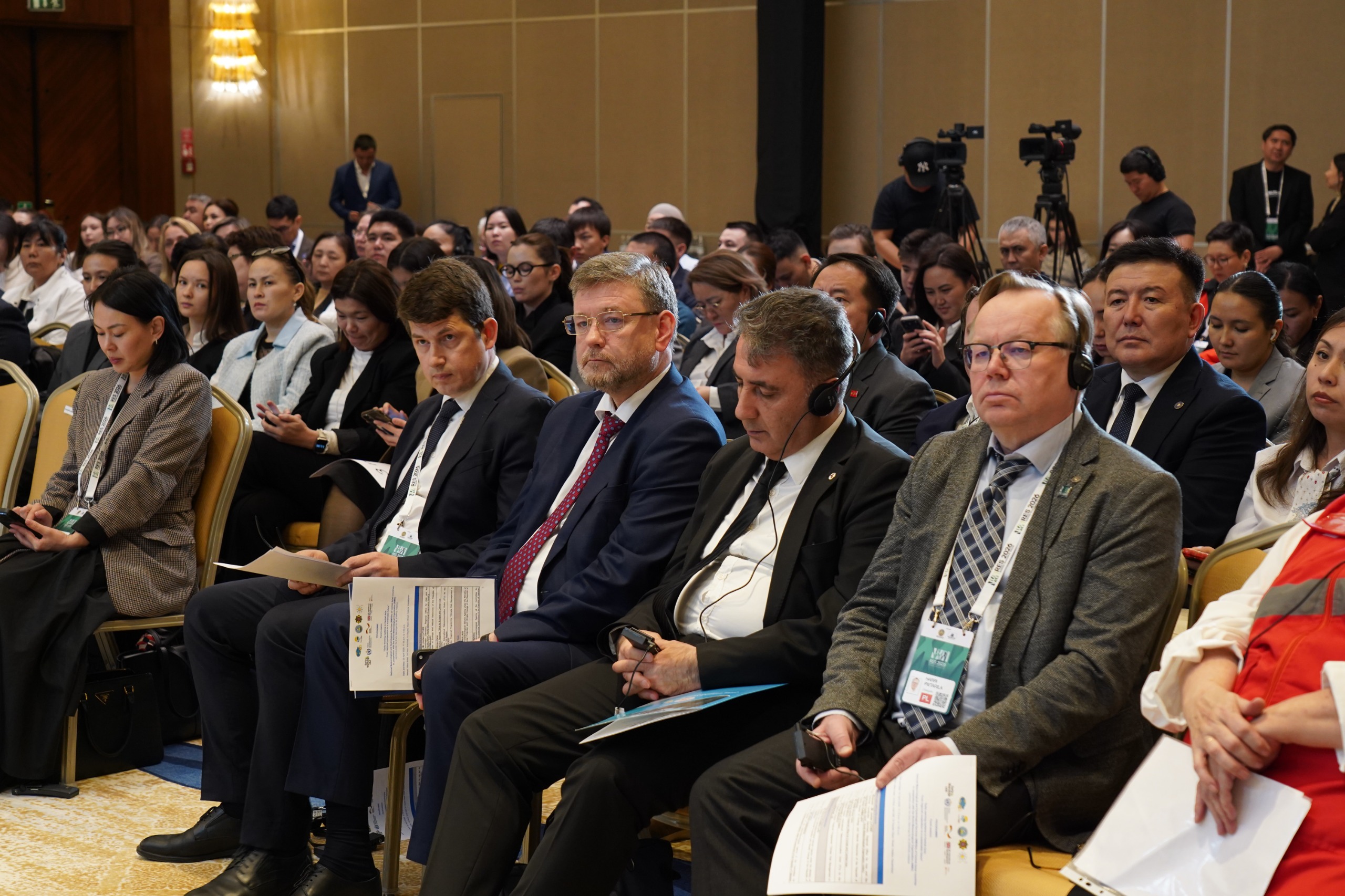
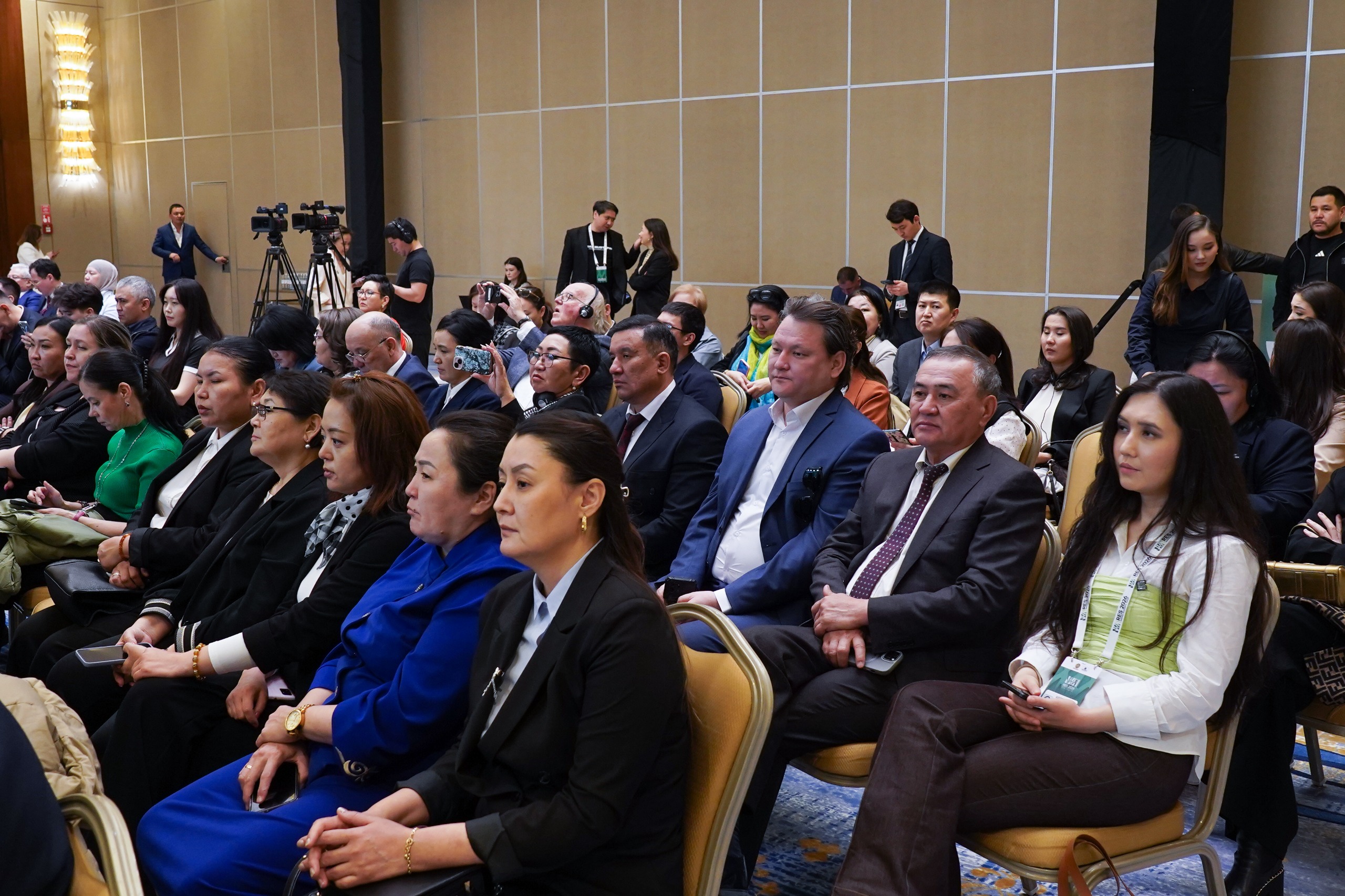
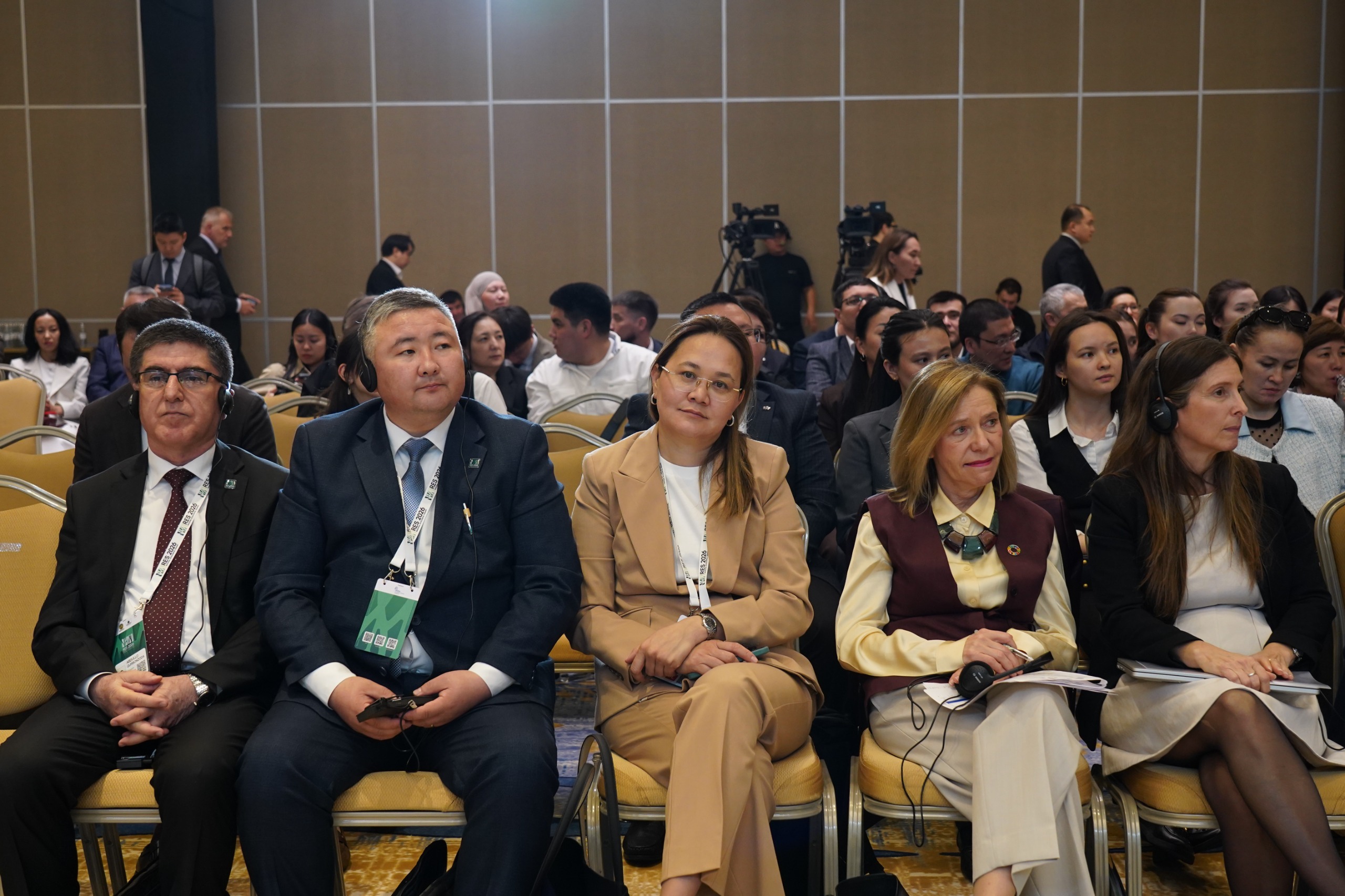
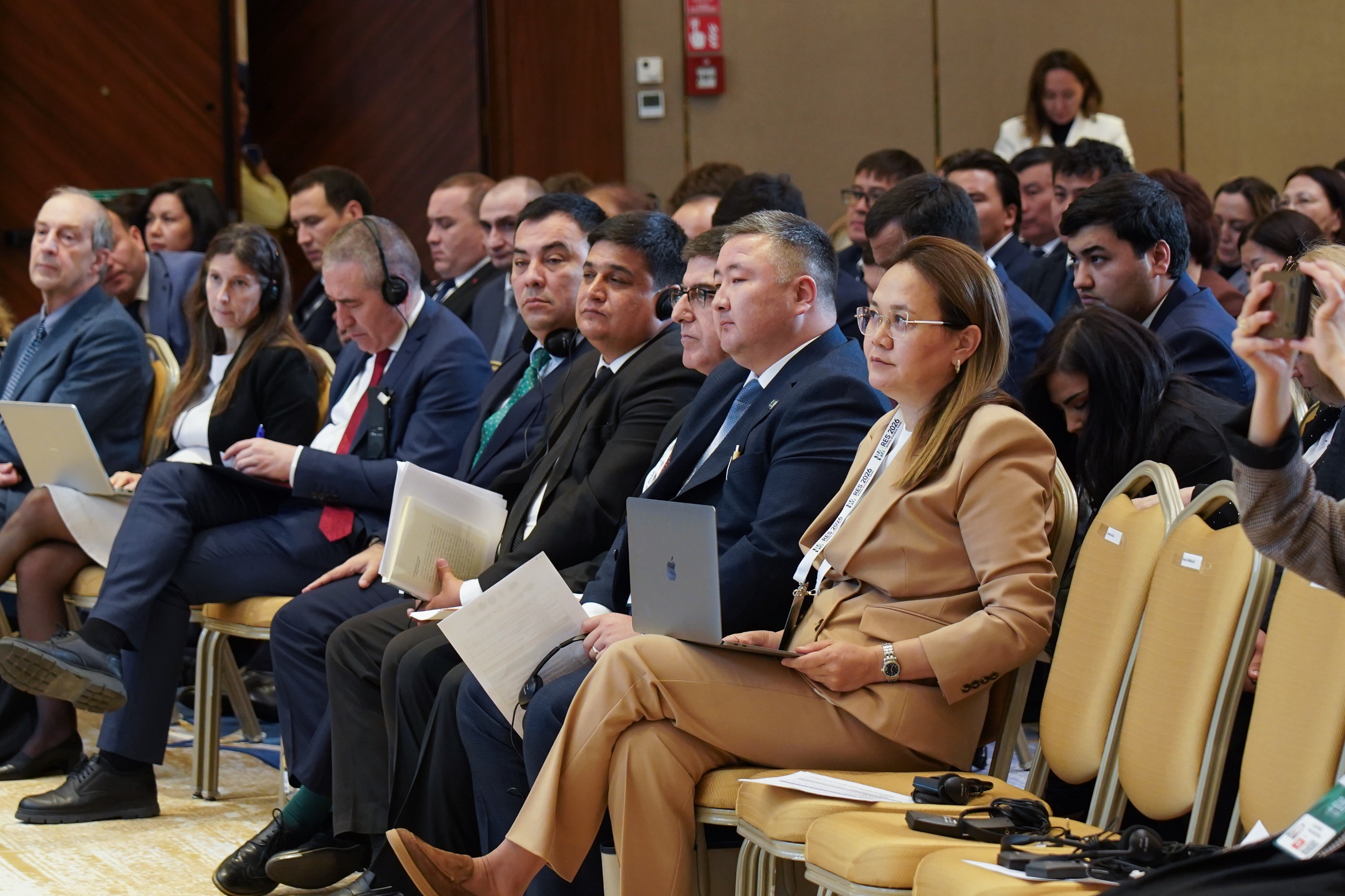
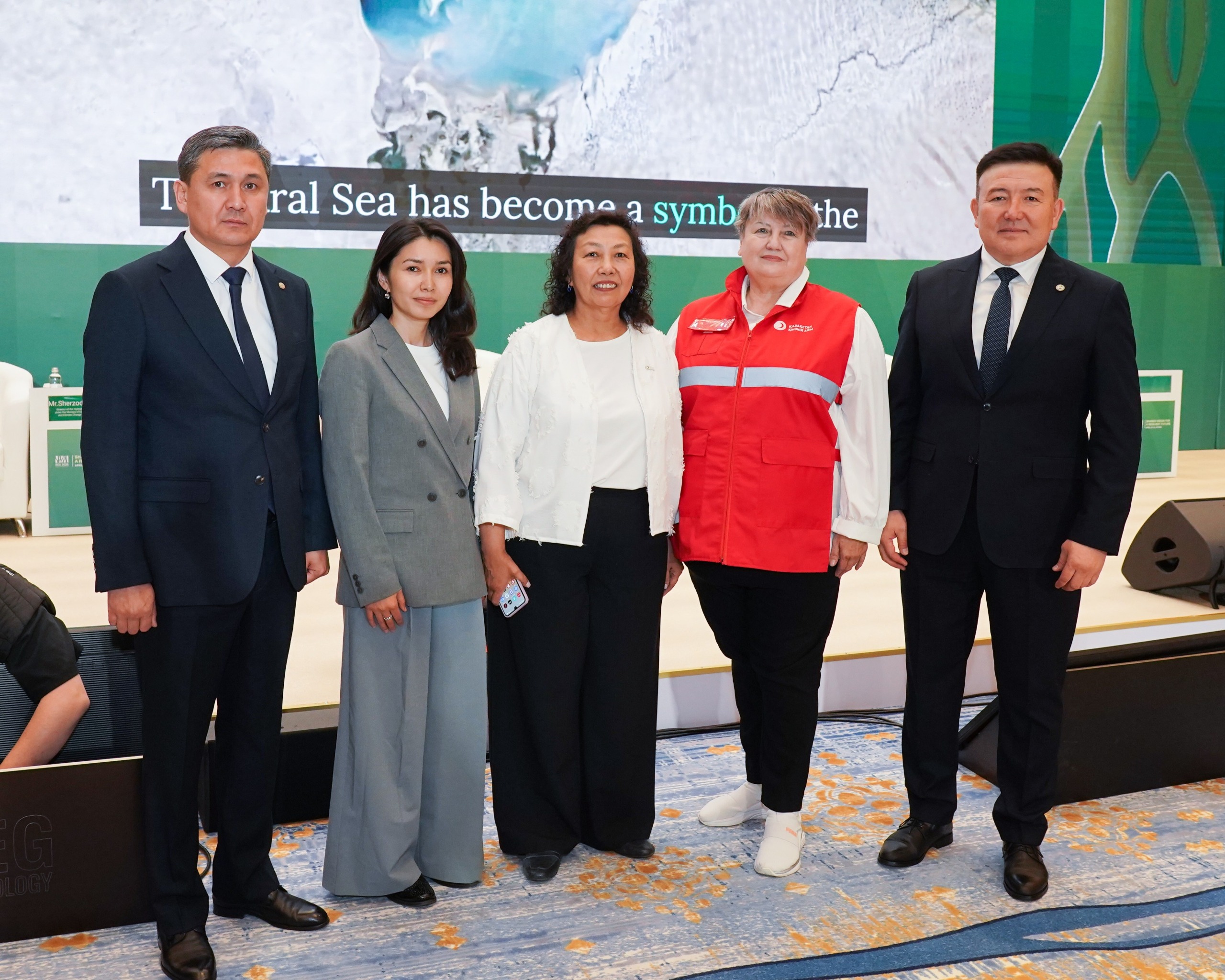
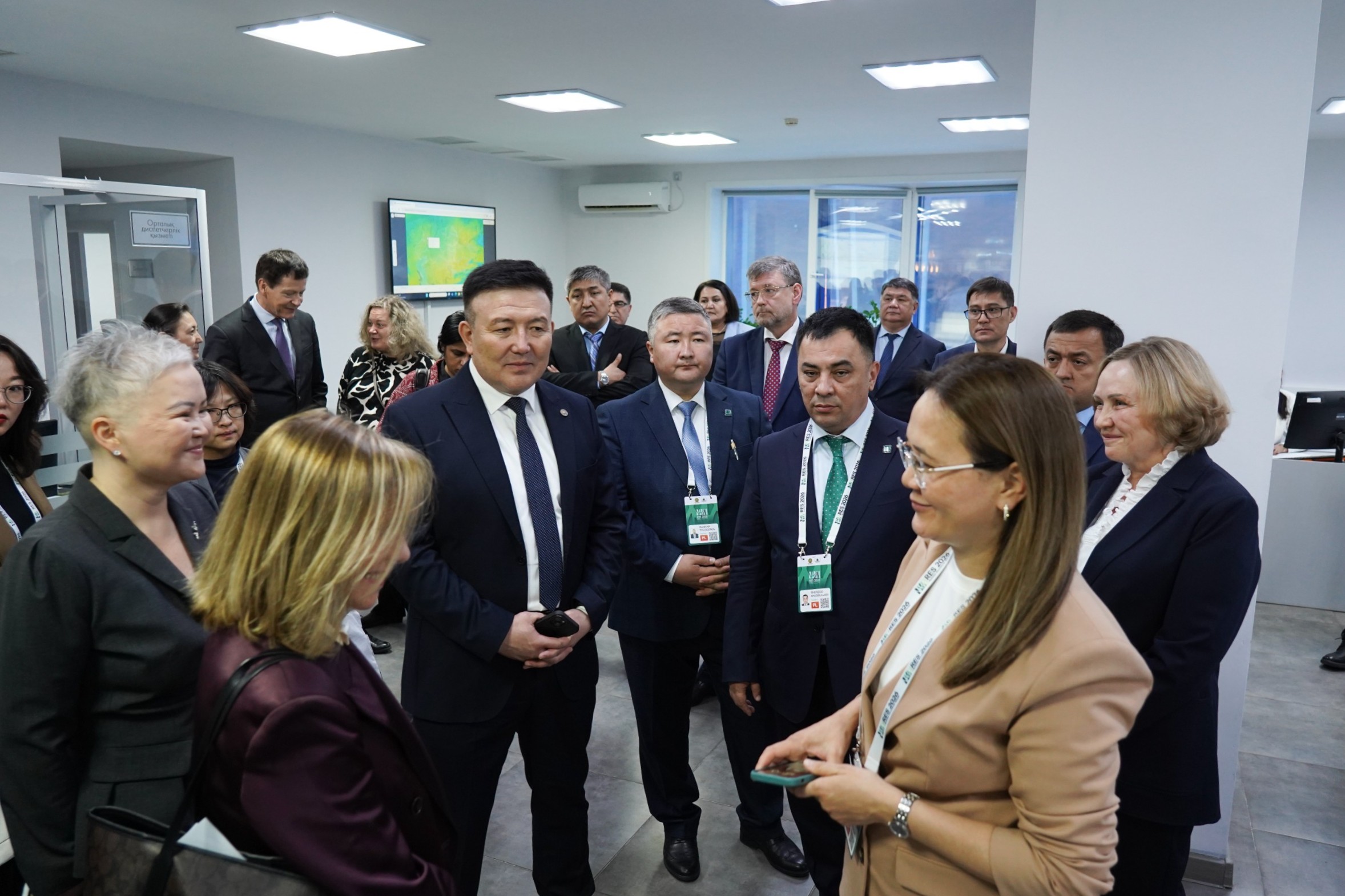
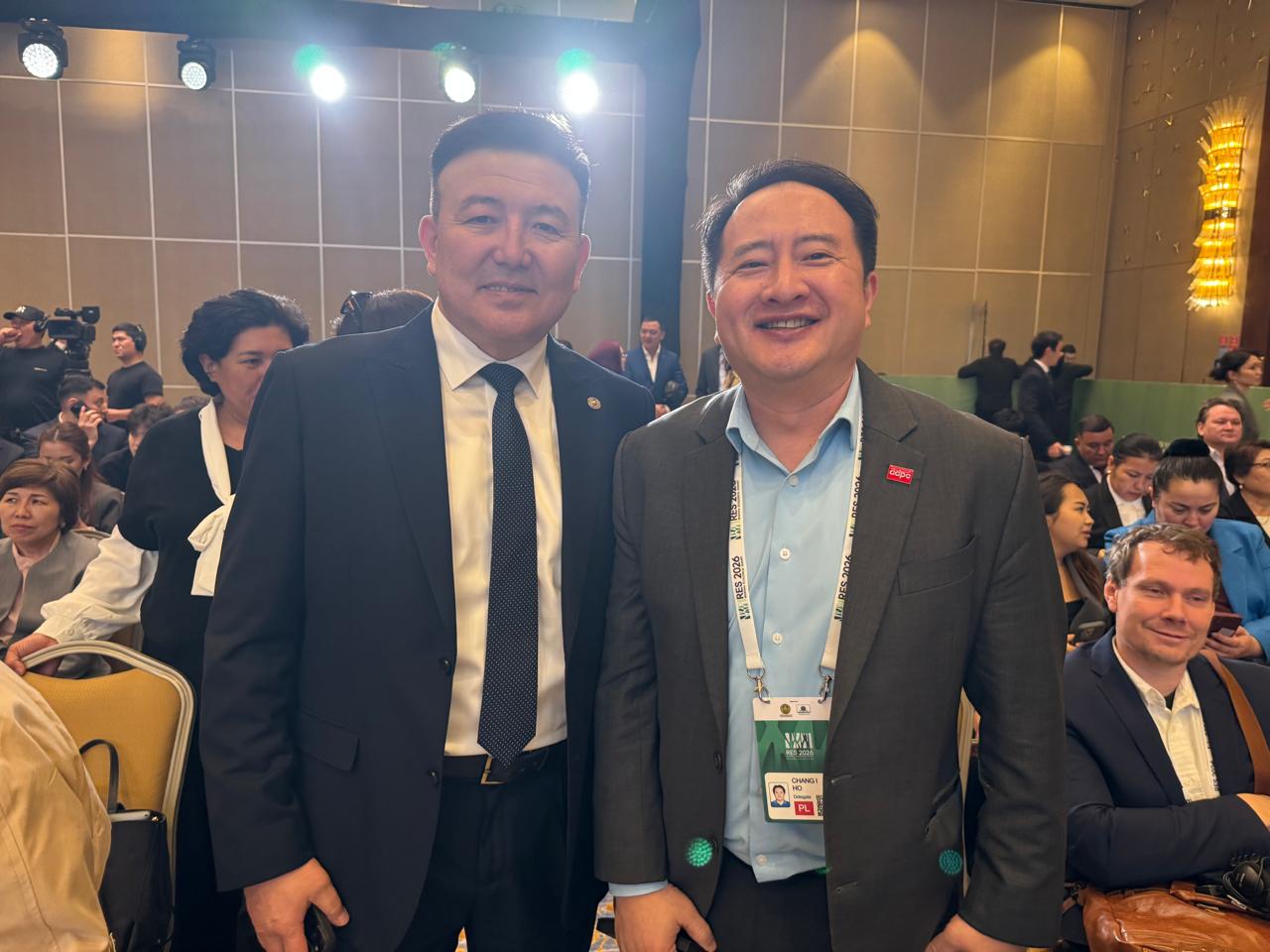
The Center for Emergency Situations and Disaster Risk Reduction took part in the panel session titled “Early Warning Systems in Central Asia: From Regional Cooperation to a Resilient Future”, organized as part of the Ecology Summit held from 22 to 24 April 2026.
The panel session took place on 23 April 2026. The event was organized by the Ministry of Ecology and Natural Resources of the Republic of Kazakhstan, RSE Kazhydromet, and the World Meteorological Organization (WMO).
Central Asia is one of the regions of the world most vulnerable to the impacts of climate change. Droughts, floods, and extreme weather events cause significant socio-economic losses, posing risks to food security, infrastructure, and the well-being of the population. In this context, the development of effective early warning systems is becoming a key tool for disaster risk reduction and climate change adaptation.
During the panel session, the Center presented the project implemented jointly with GIZ, “Strengthening the Capacity for Safe Management of Transboundary Water Resources in Central Asia through the Application of Innovative Technologies.” The project is aimed at enhancing regional cooperation, introducing modern monitoring and forecasting systems, and improving data exchange mechanisms among the countries of the region.
Special attention during the discussions was given to strengthening cooperation among national hydrometeorological services, improving the efficiency of observation and forecasting systems, and developing interagency cooperation within early warning systems.
The main objective of the panel session was to lay the groundwork for the creation of a sustainable and integrated regional early warning system for hydrometeorological and climate-related risks in Central Asia.
The participation of Celeste Saulo, Secretary-General of the World Meteorological Organization, added particular significance to the event and underscored the high level of international attention to the development of early warning systems in the region.
During the session, participants discussed prospects for strengthening regional cooperation, hydrometeorological data exchange, the introduction of modern forecasting technologies, and the implementation of the UN global initiative “Early Warnings for All.” Best regional practices from Asian countries were also presented.
The Center’s participation in this event confirms its active role in shaping the regional security architecture and developing modern mechanisms for emergency prevention in Central Asia.