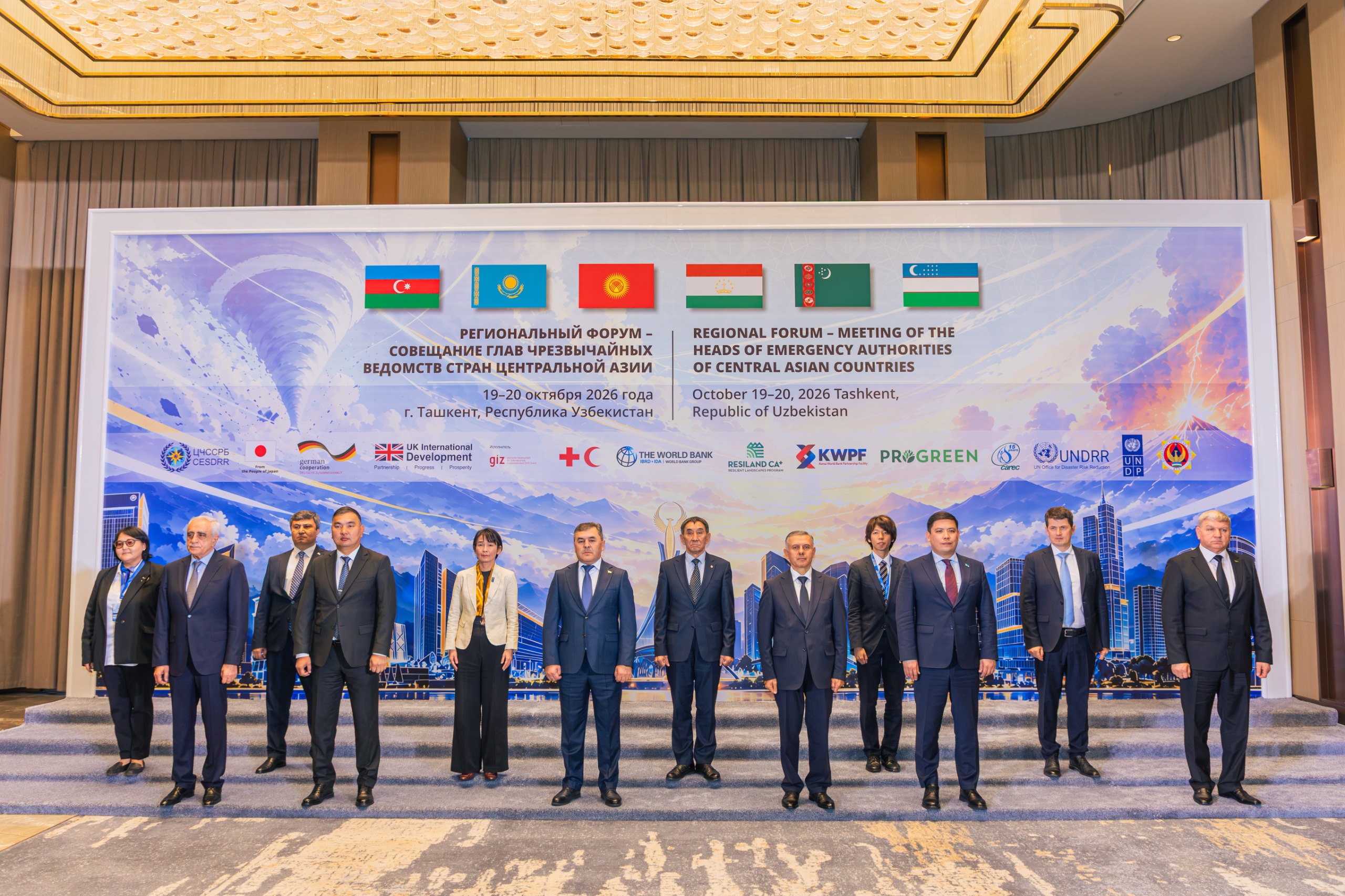
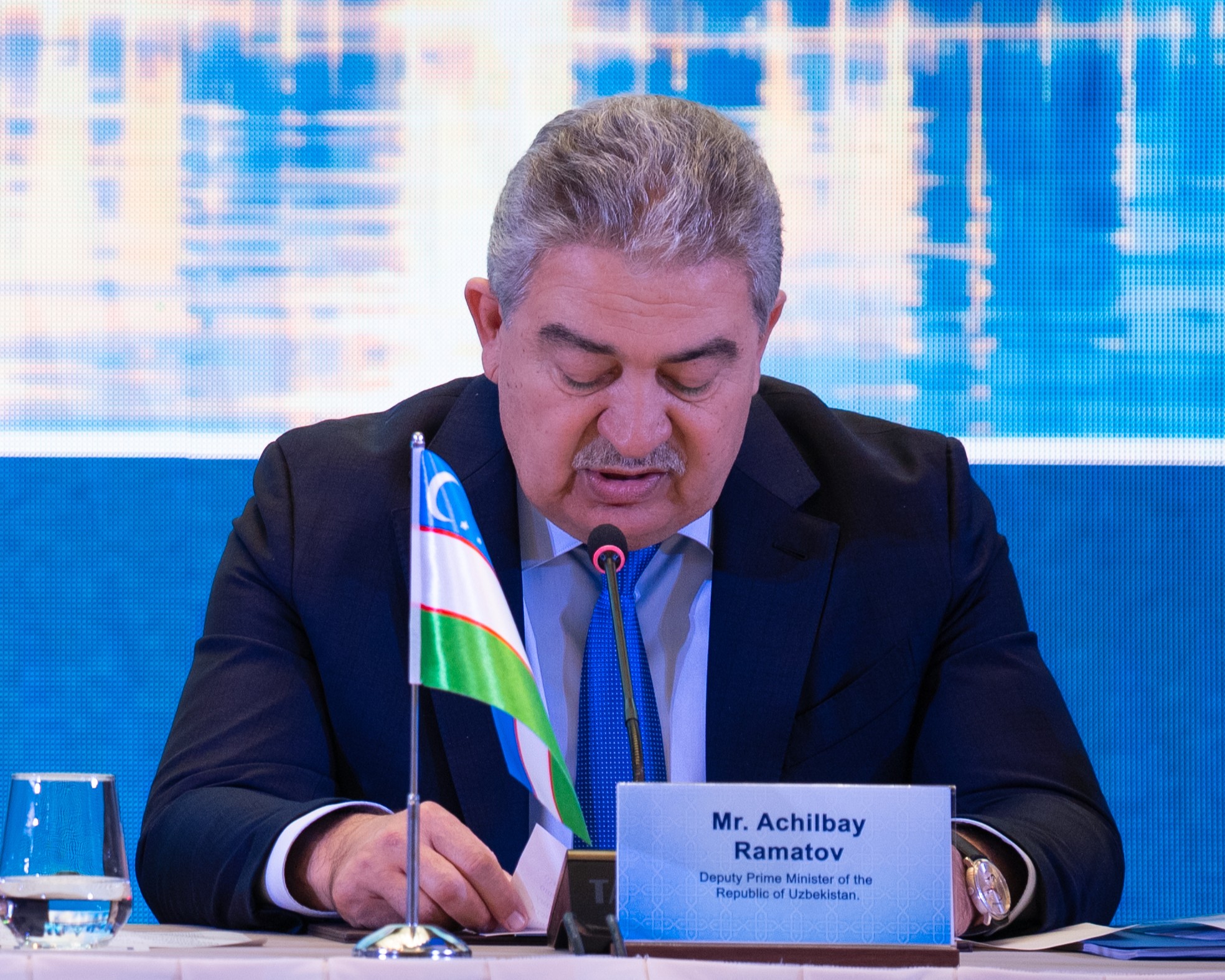
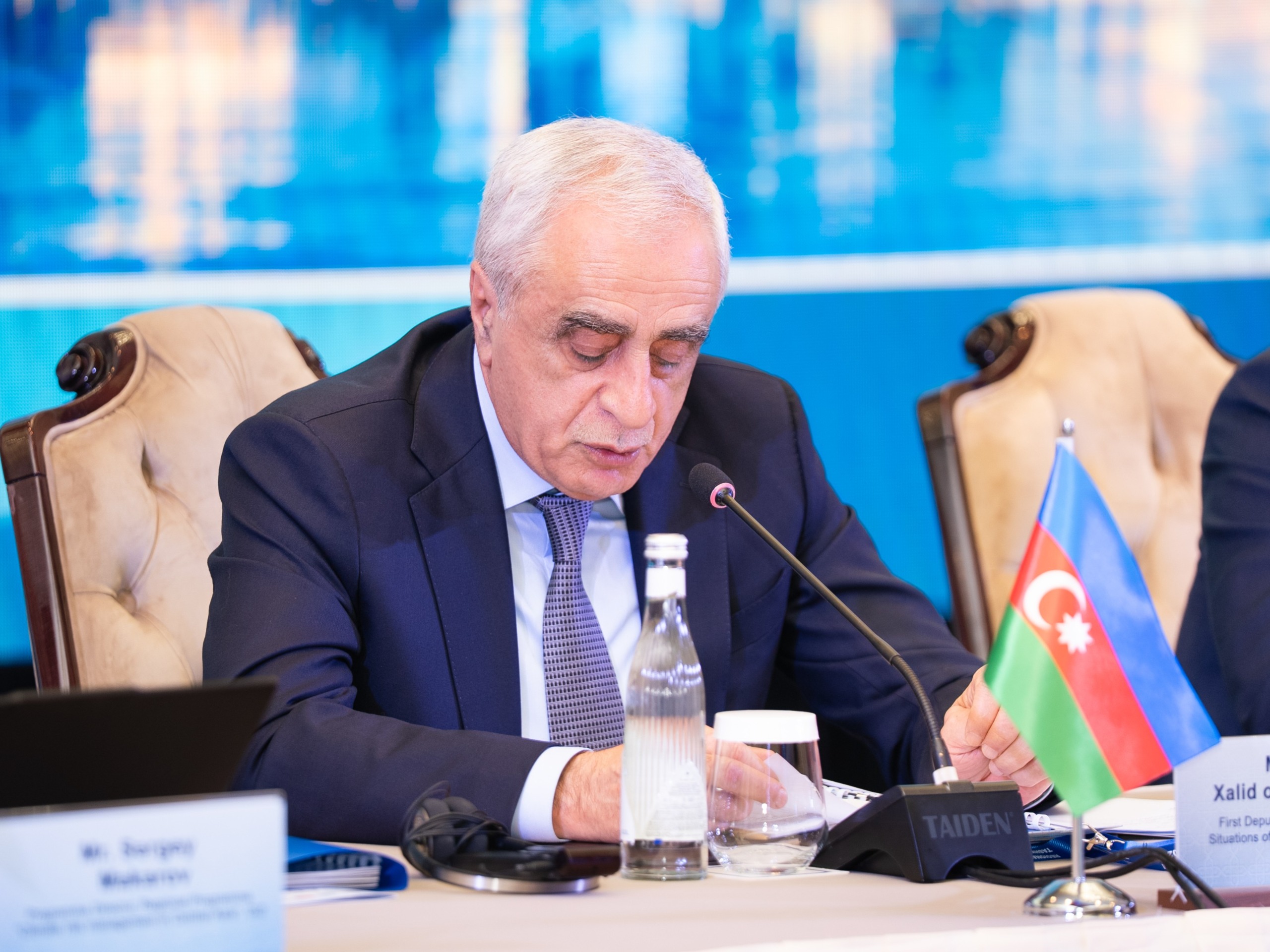
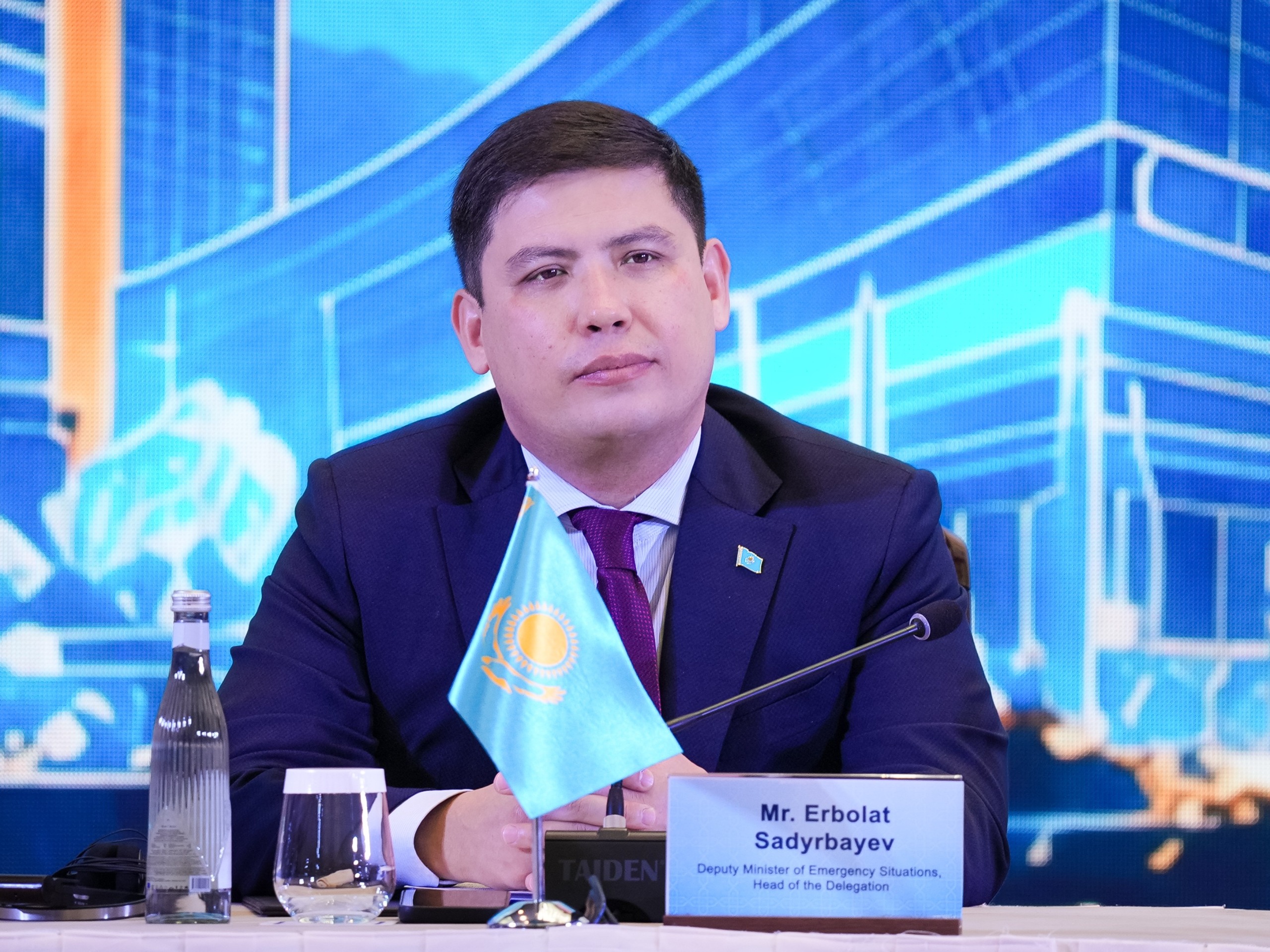
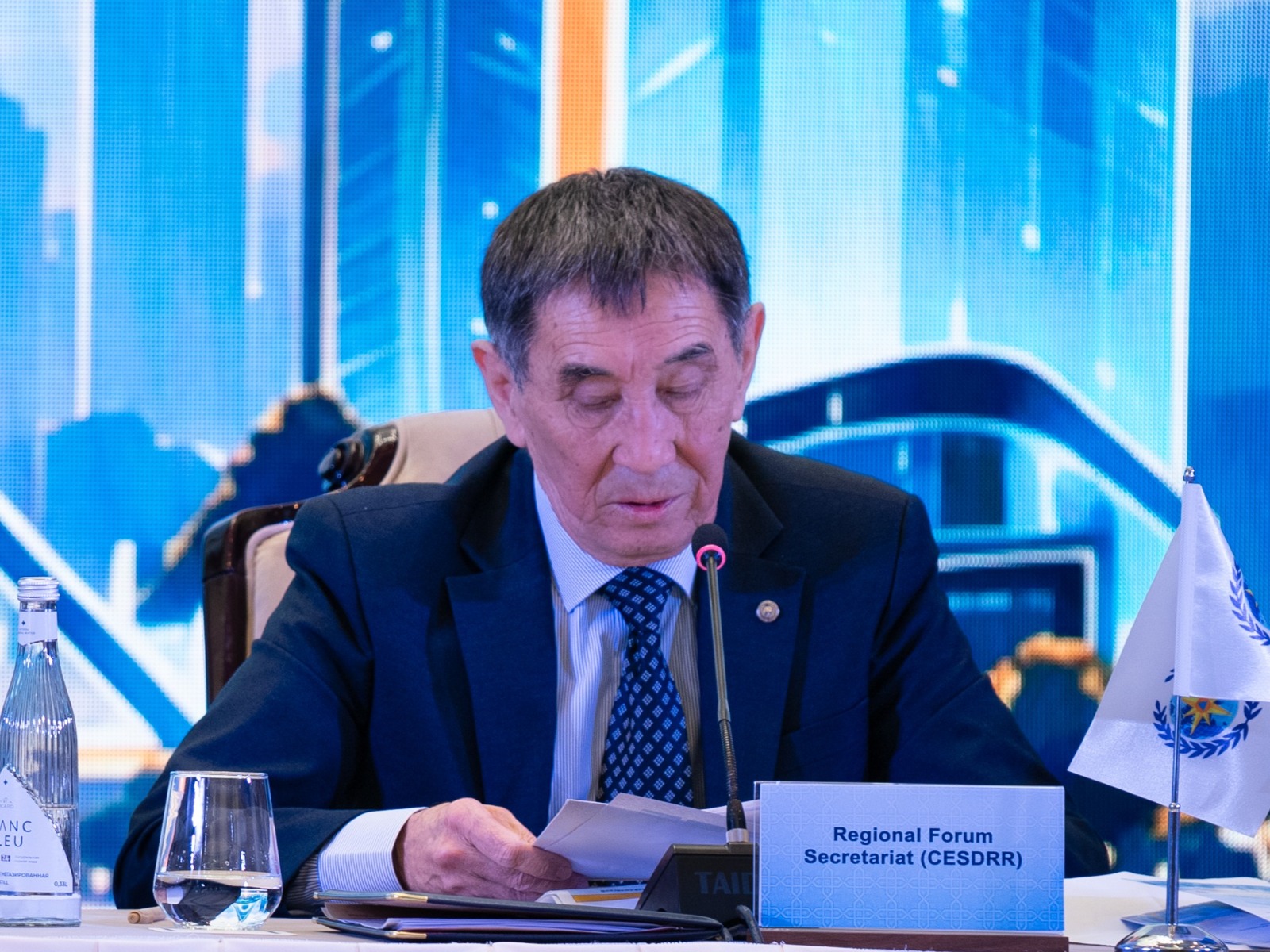
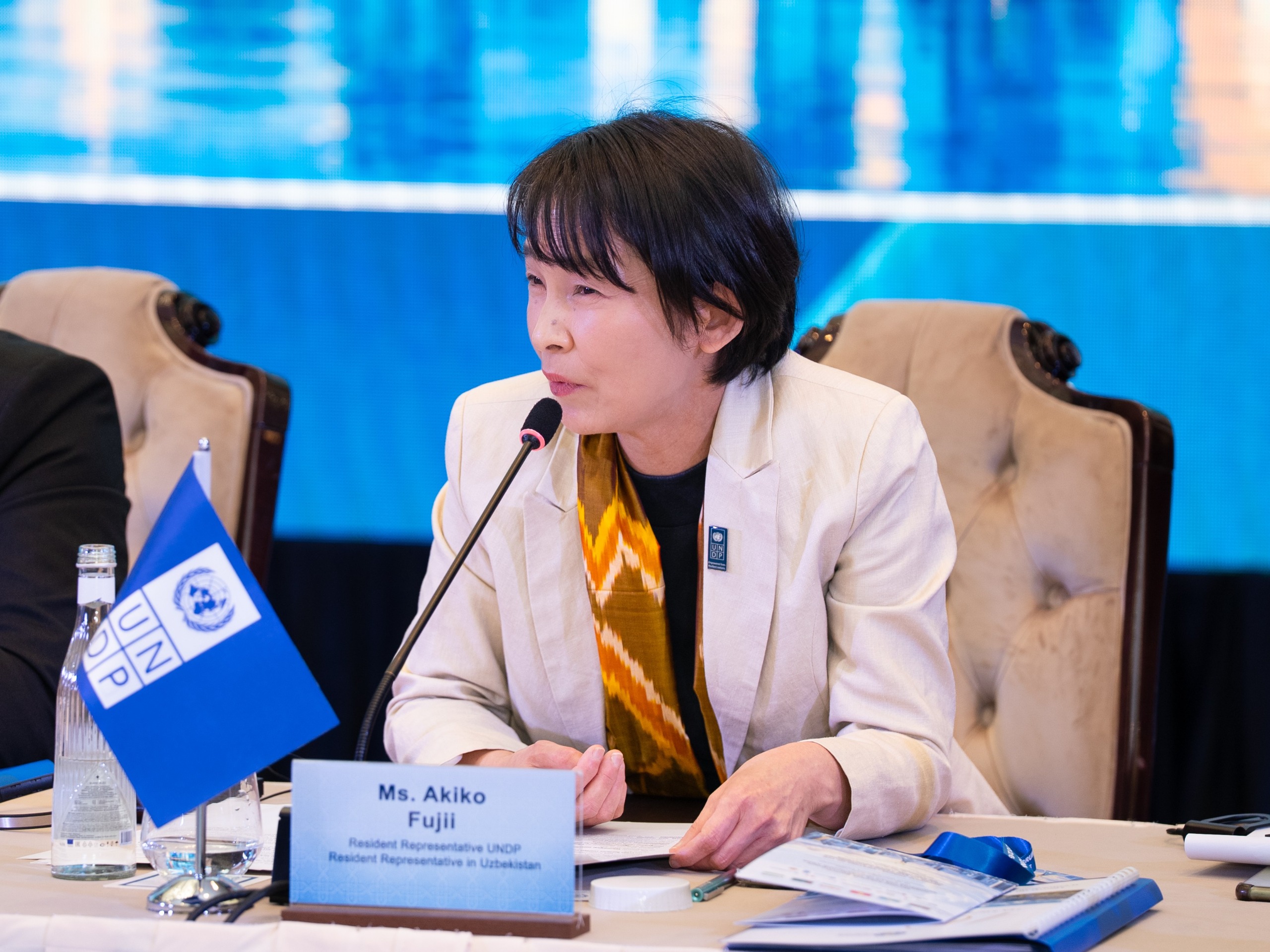
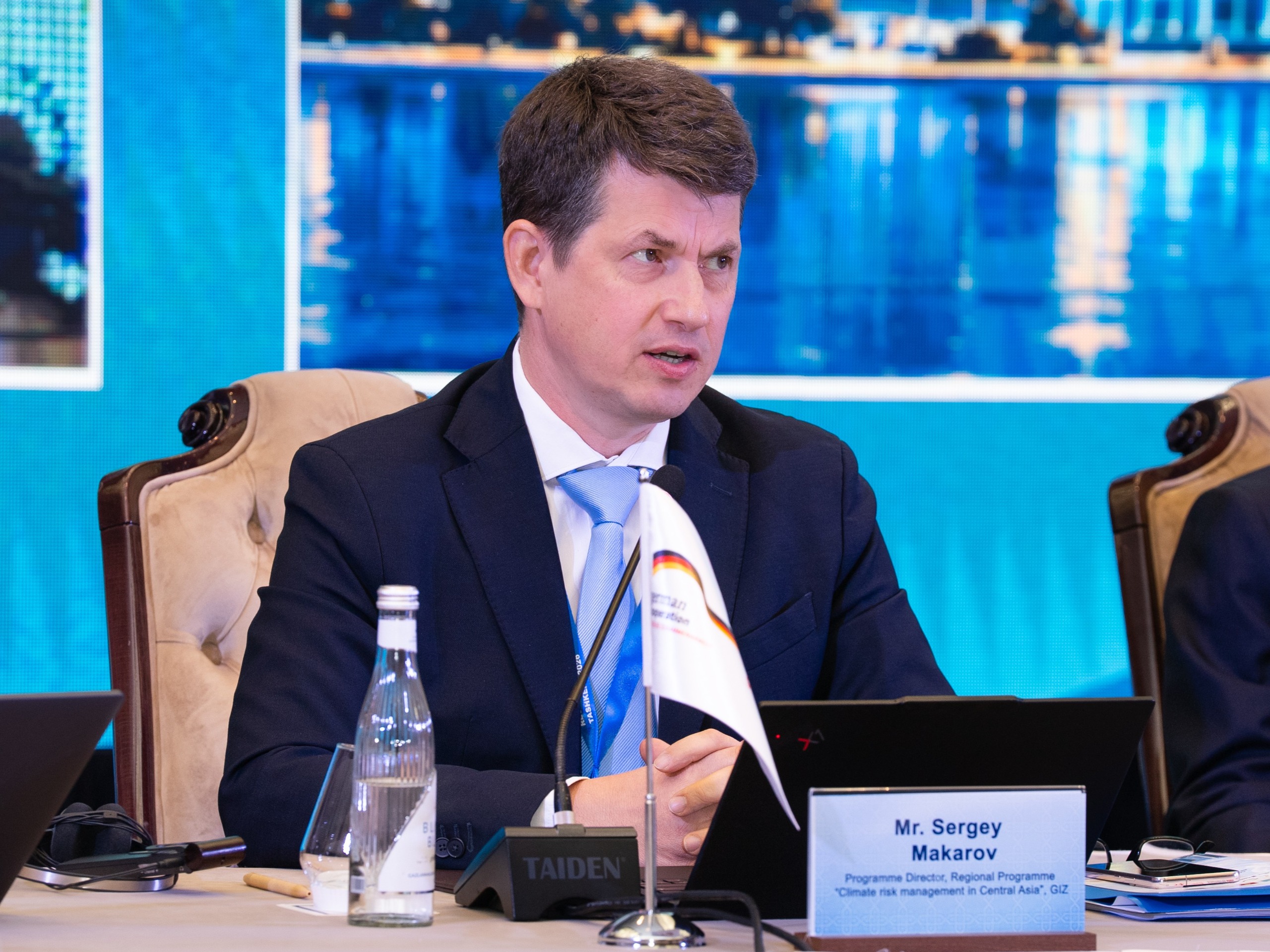
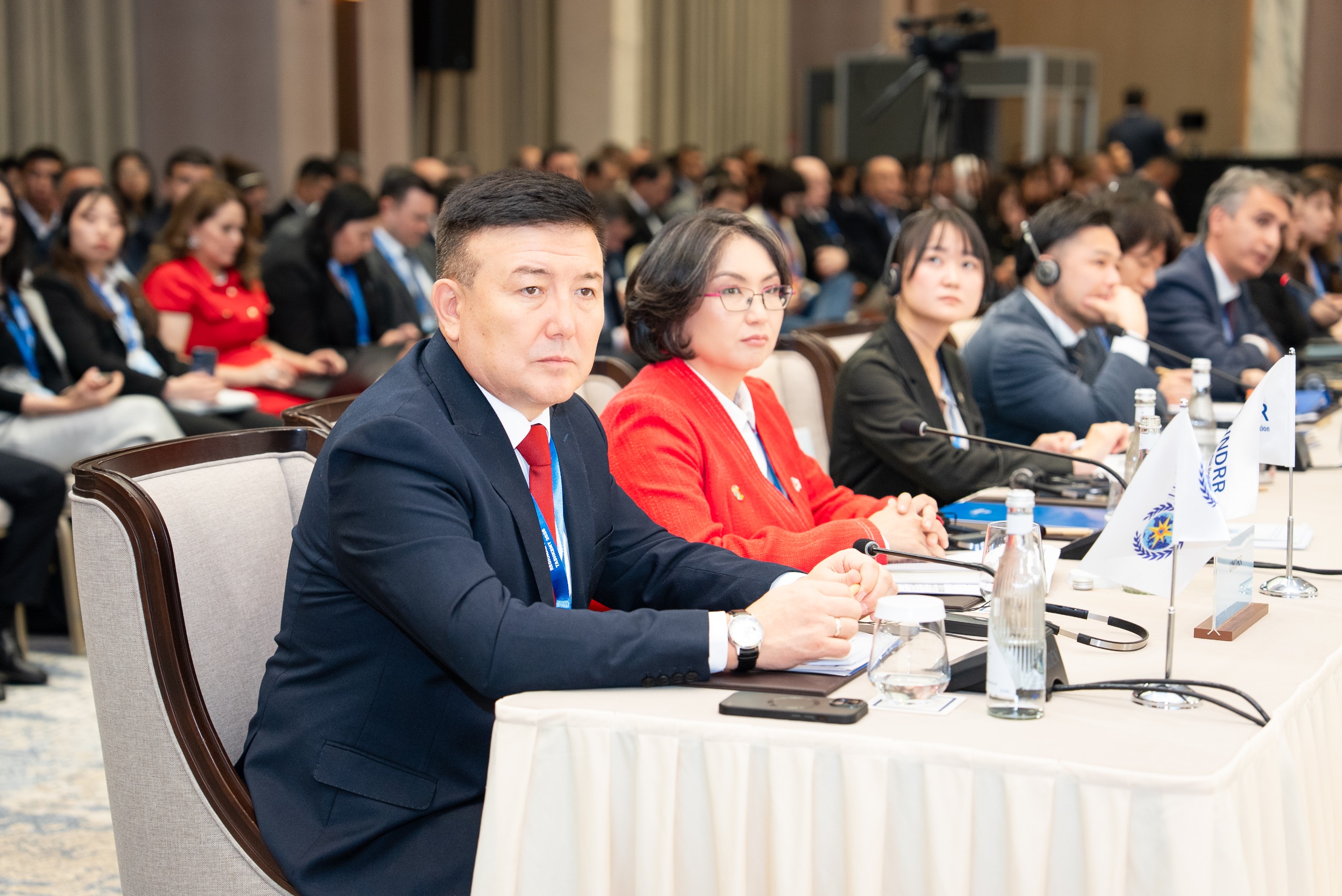
The Regional Forum - Meeting of the Heads of Emergency Authorities of Central Asian Countries Was Held in Tashkent
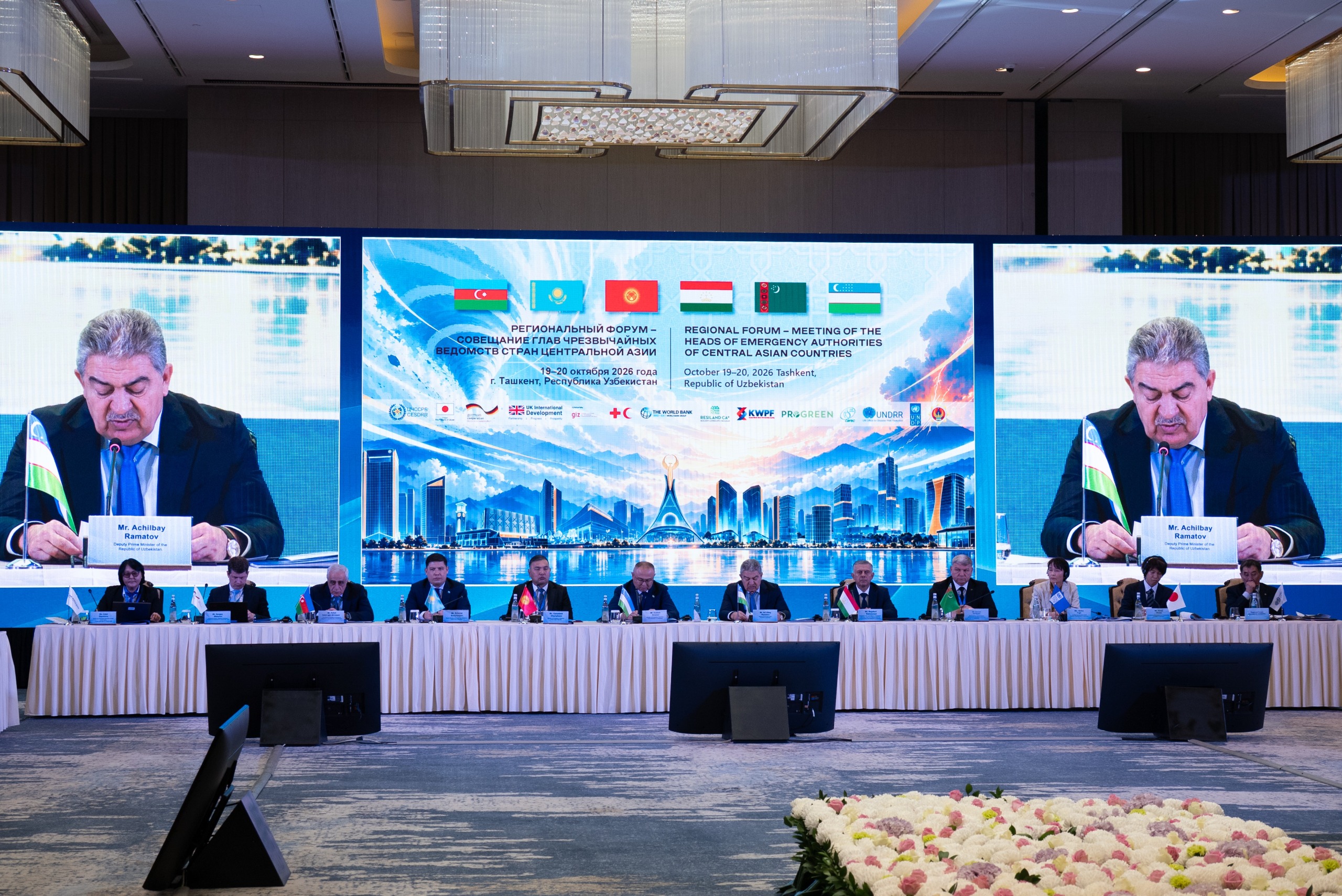
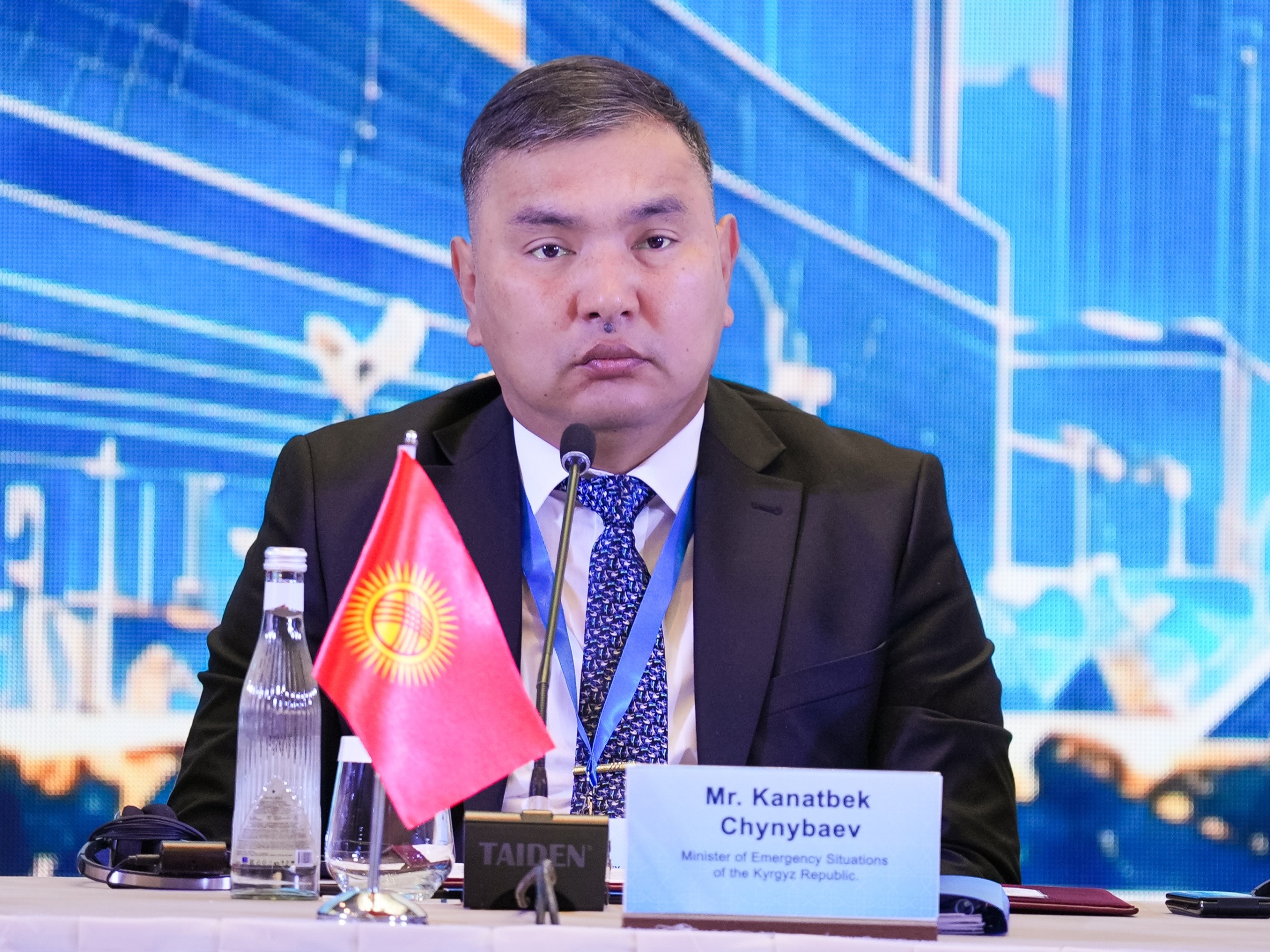
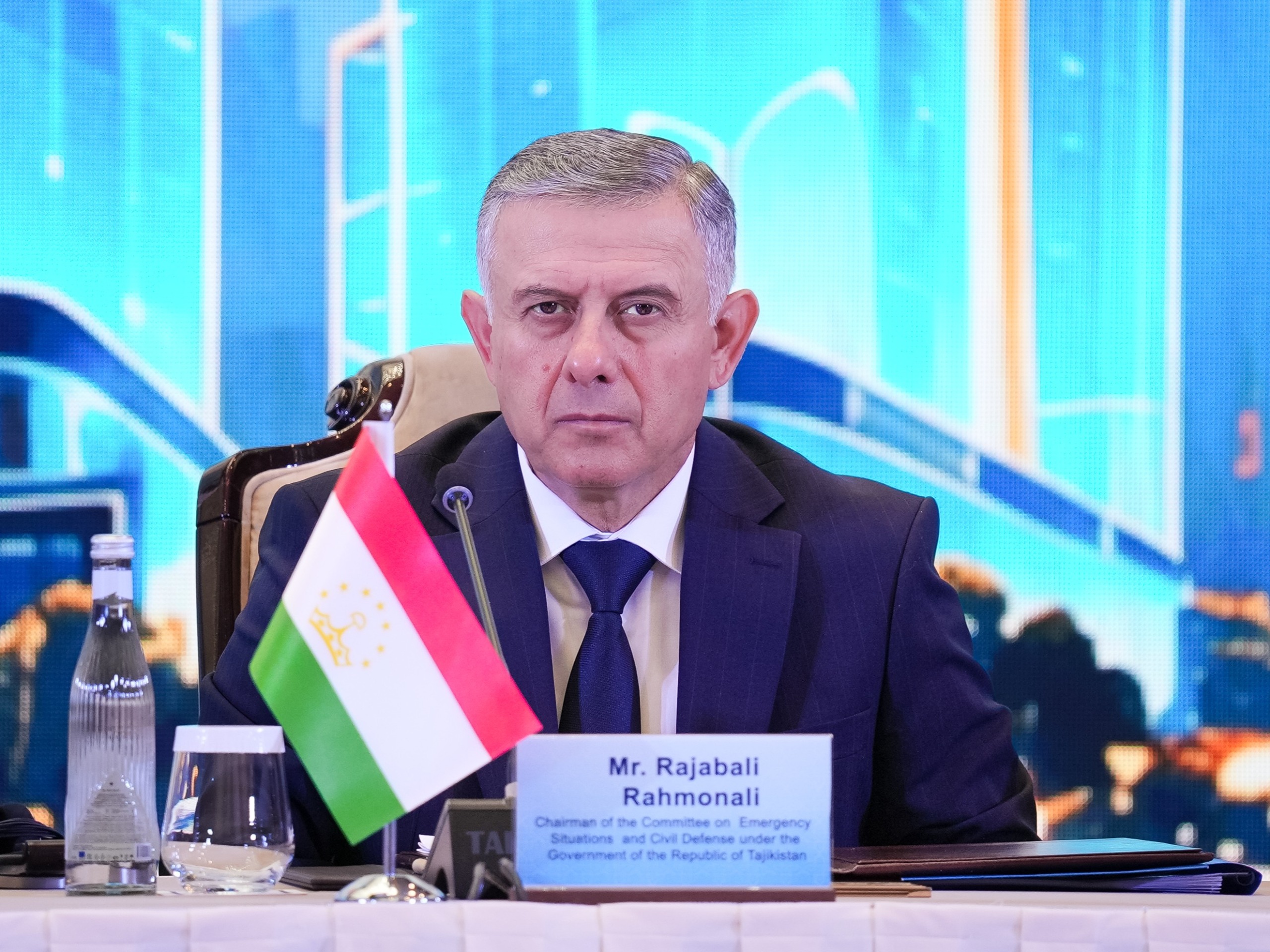
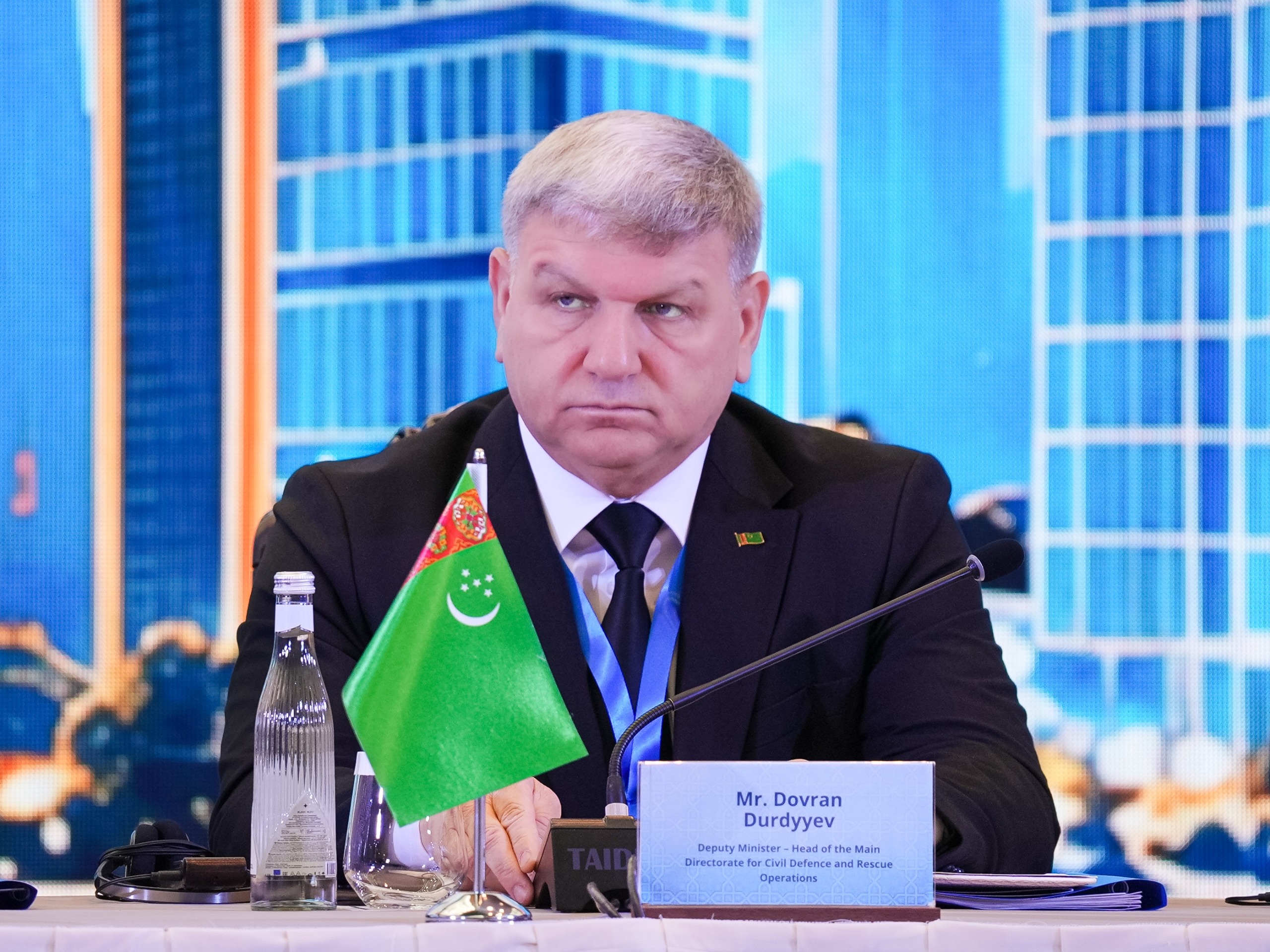
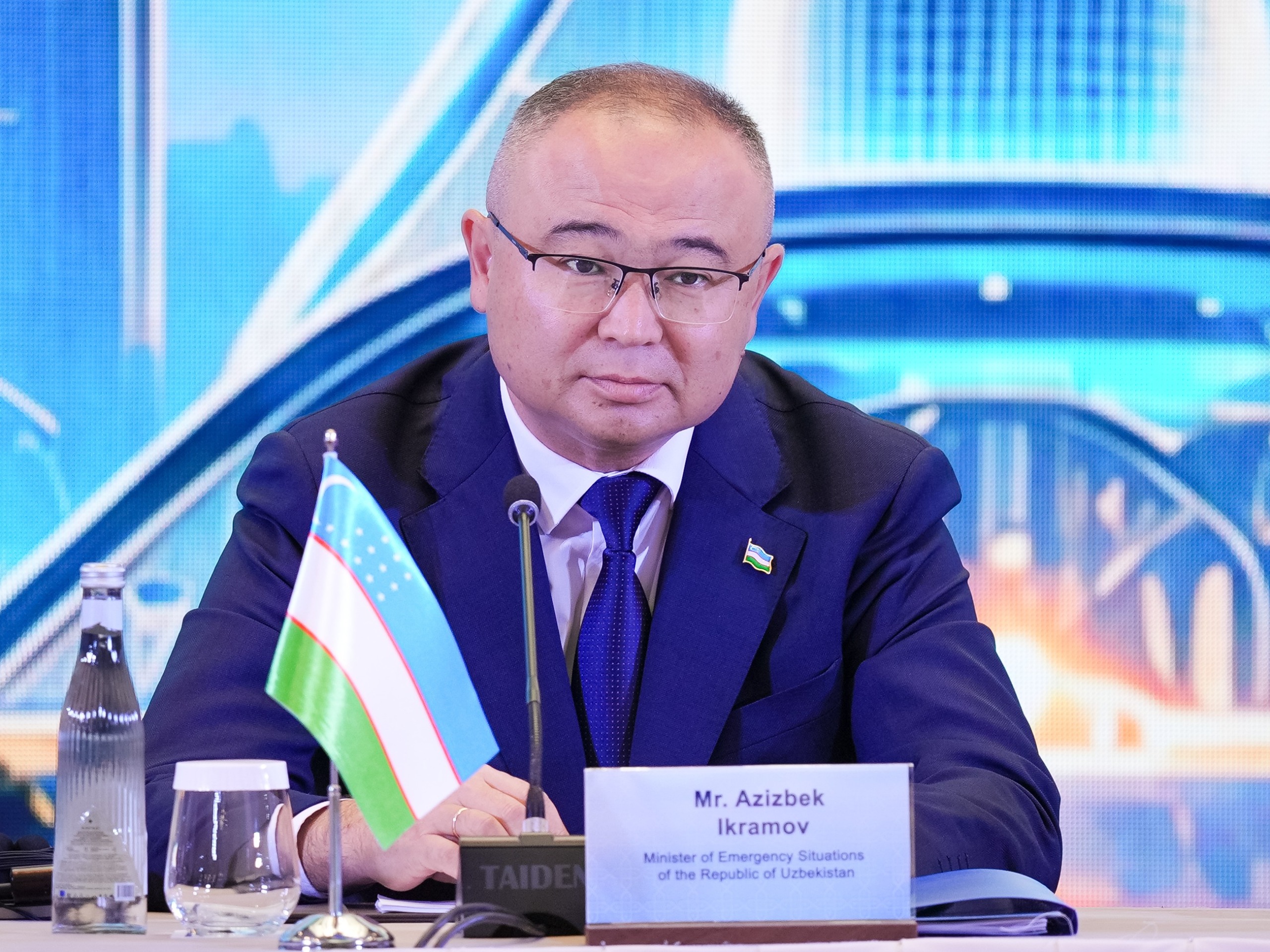
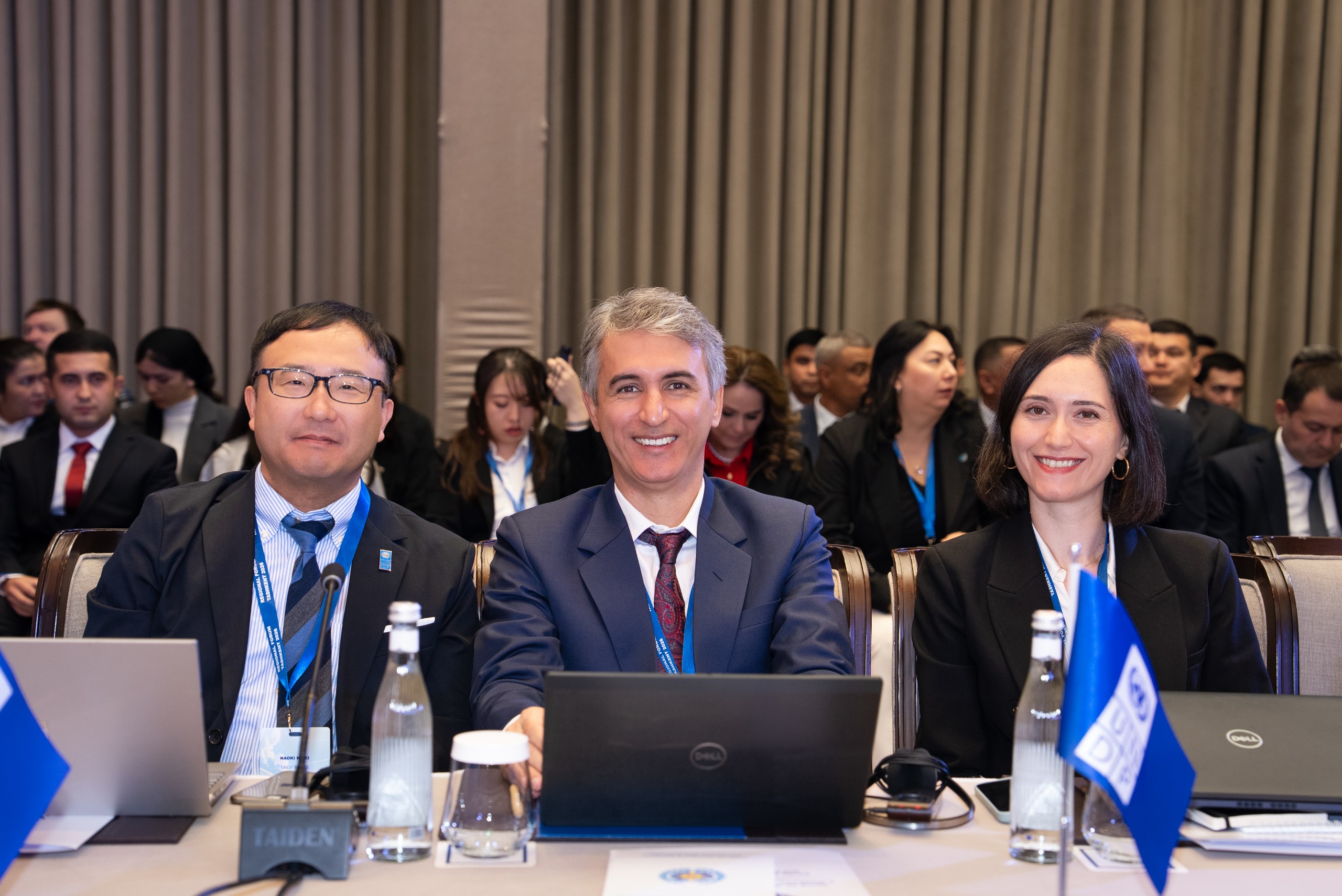
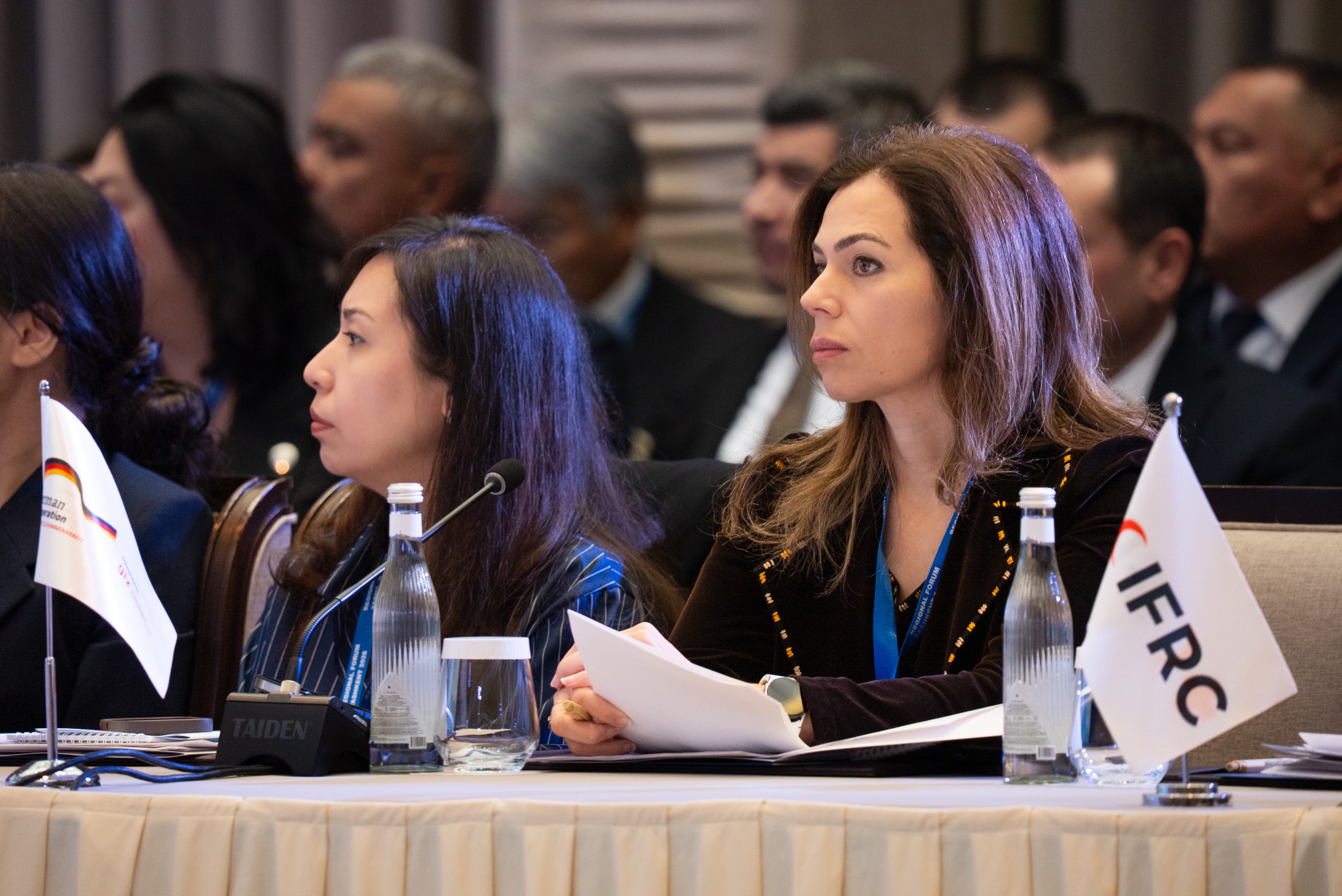
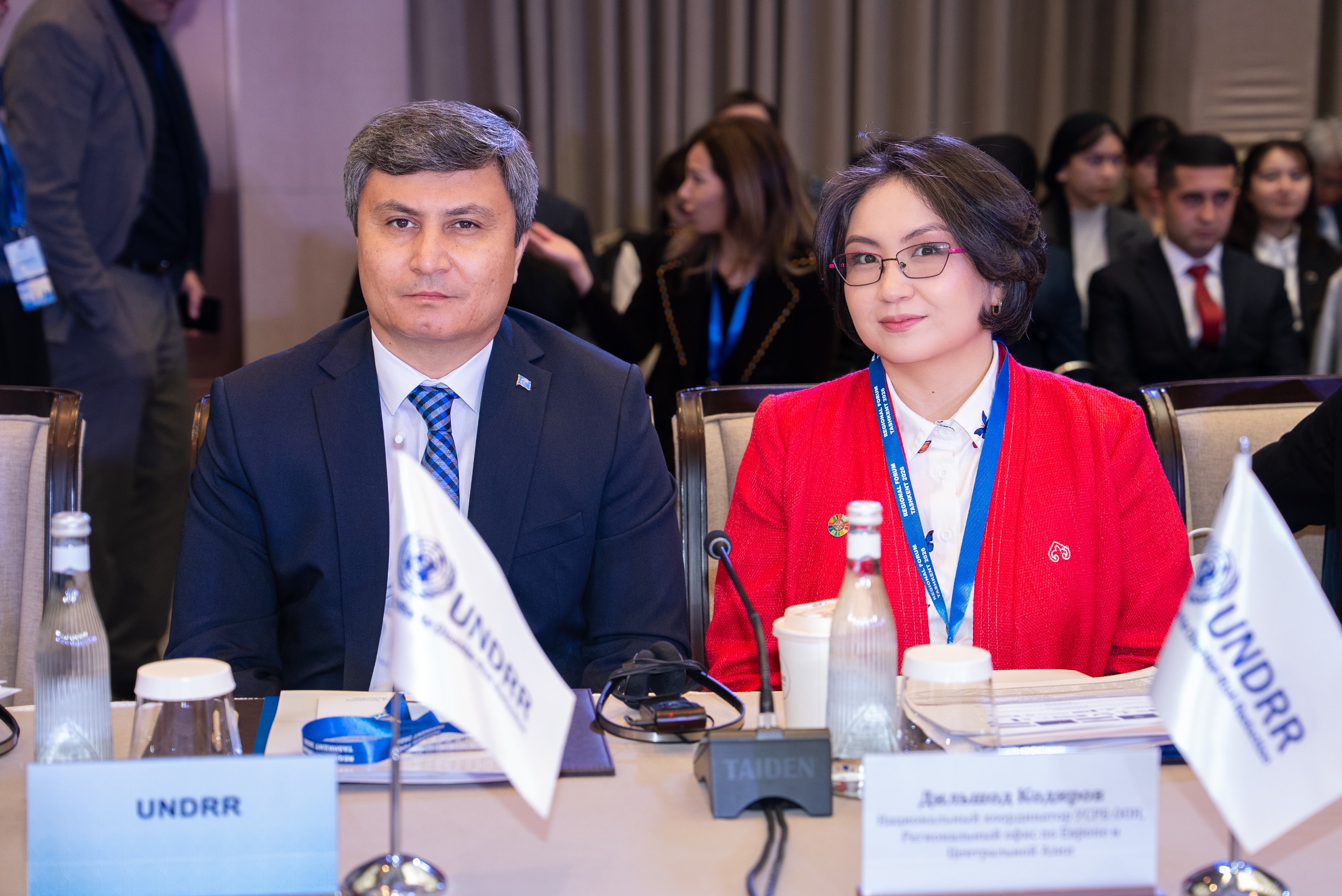
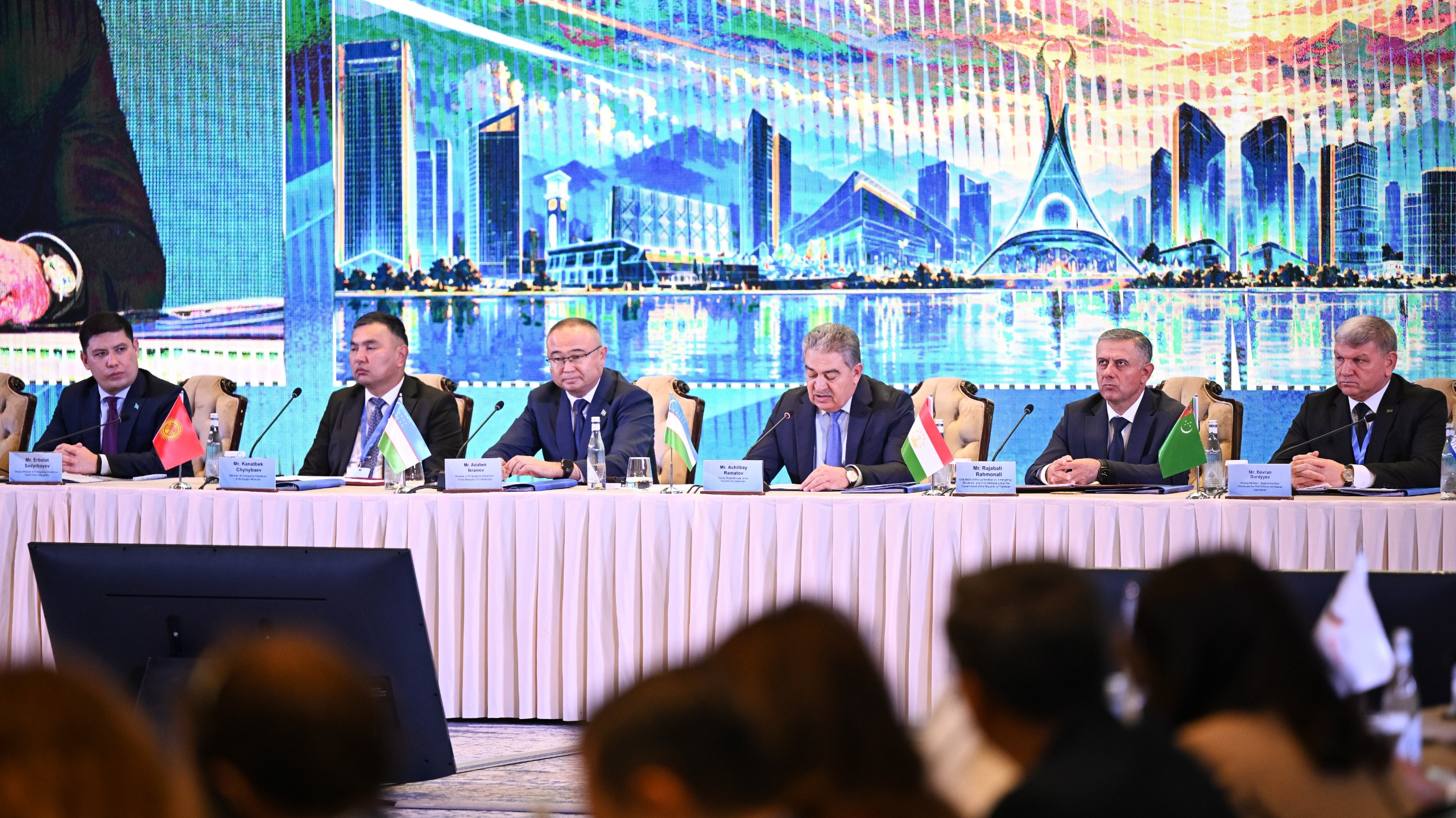
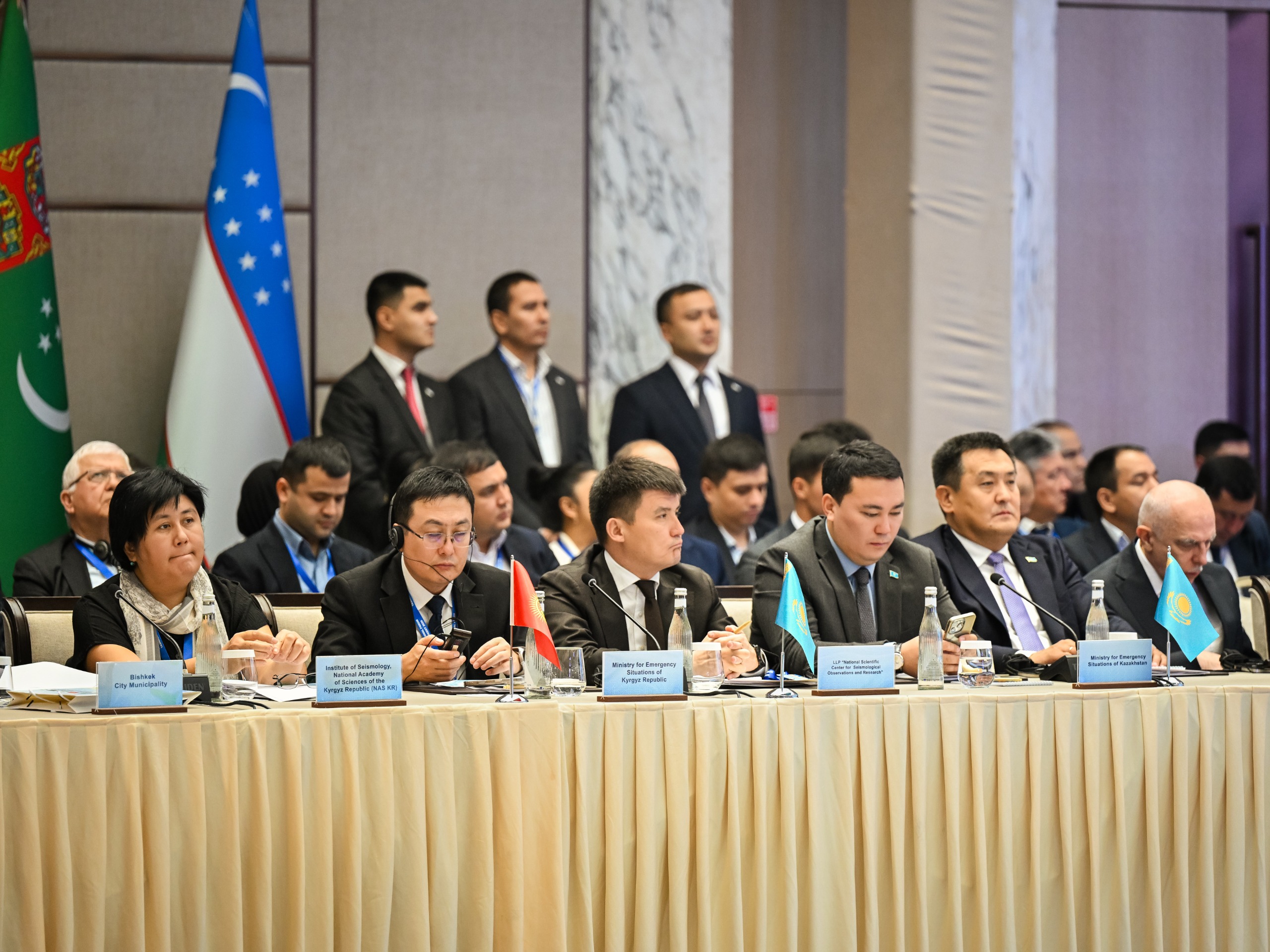
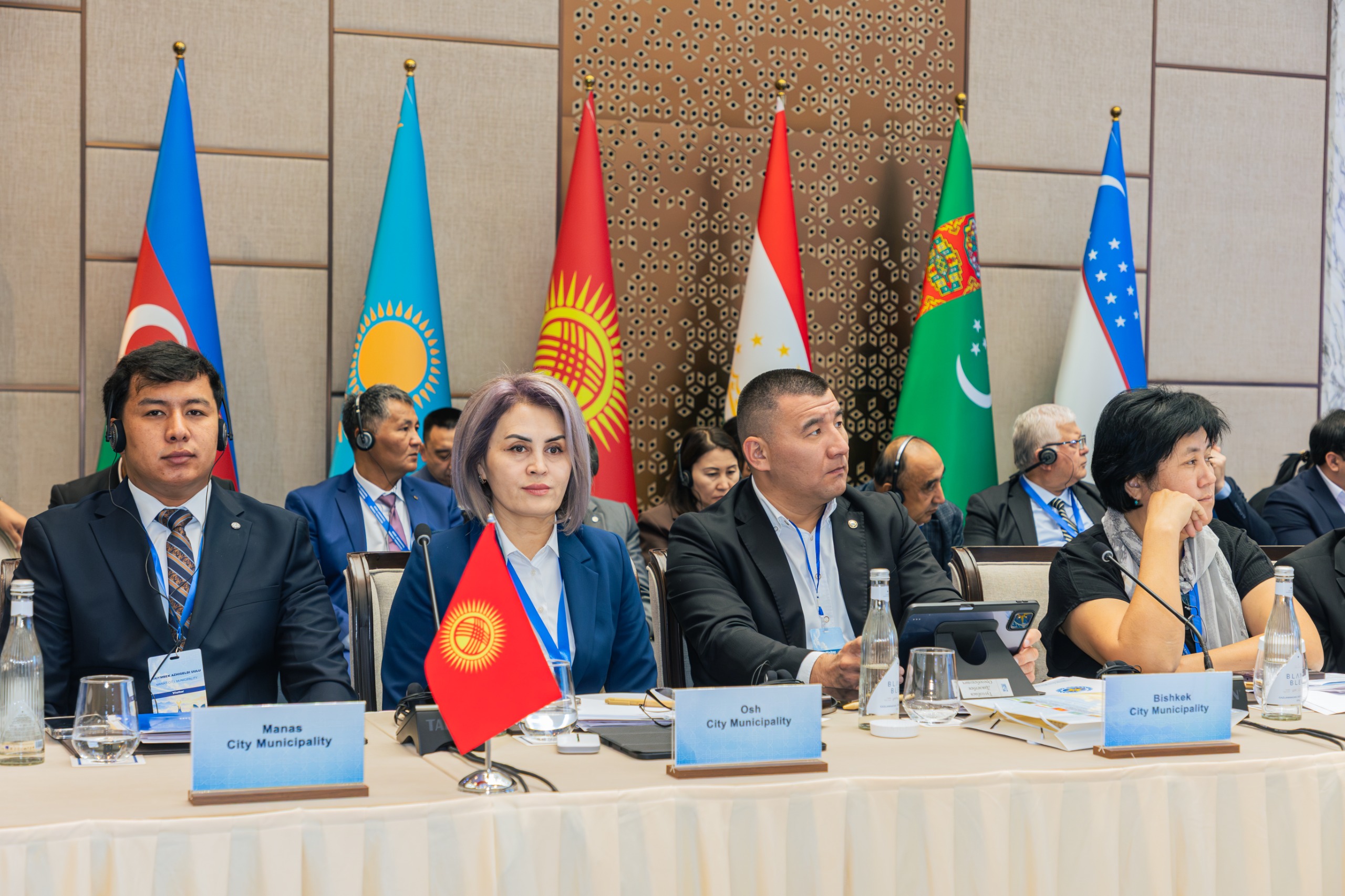
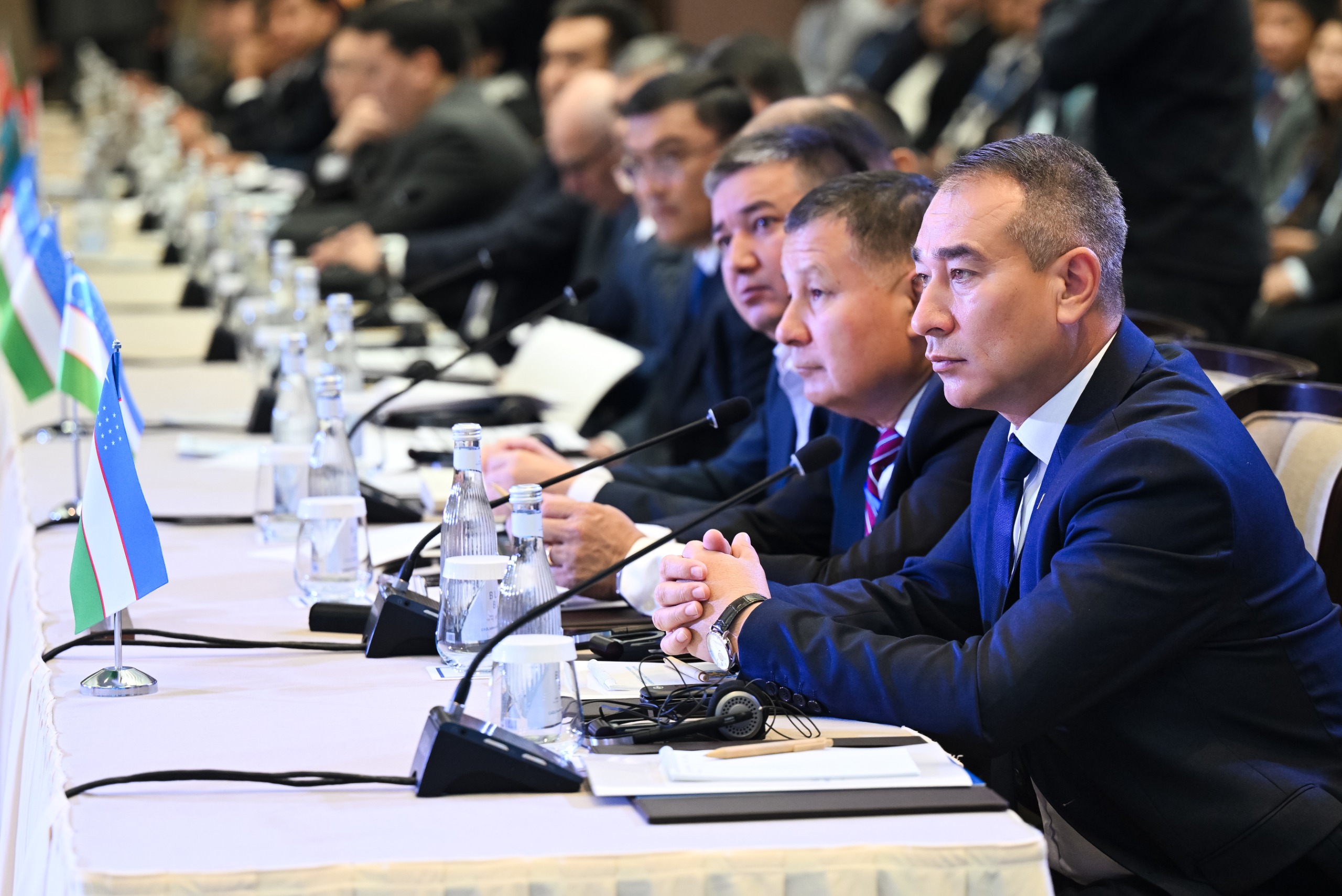
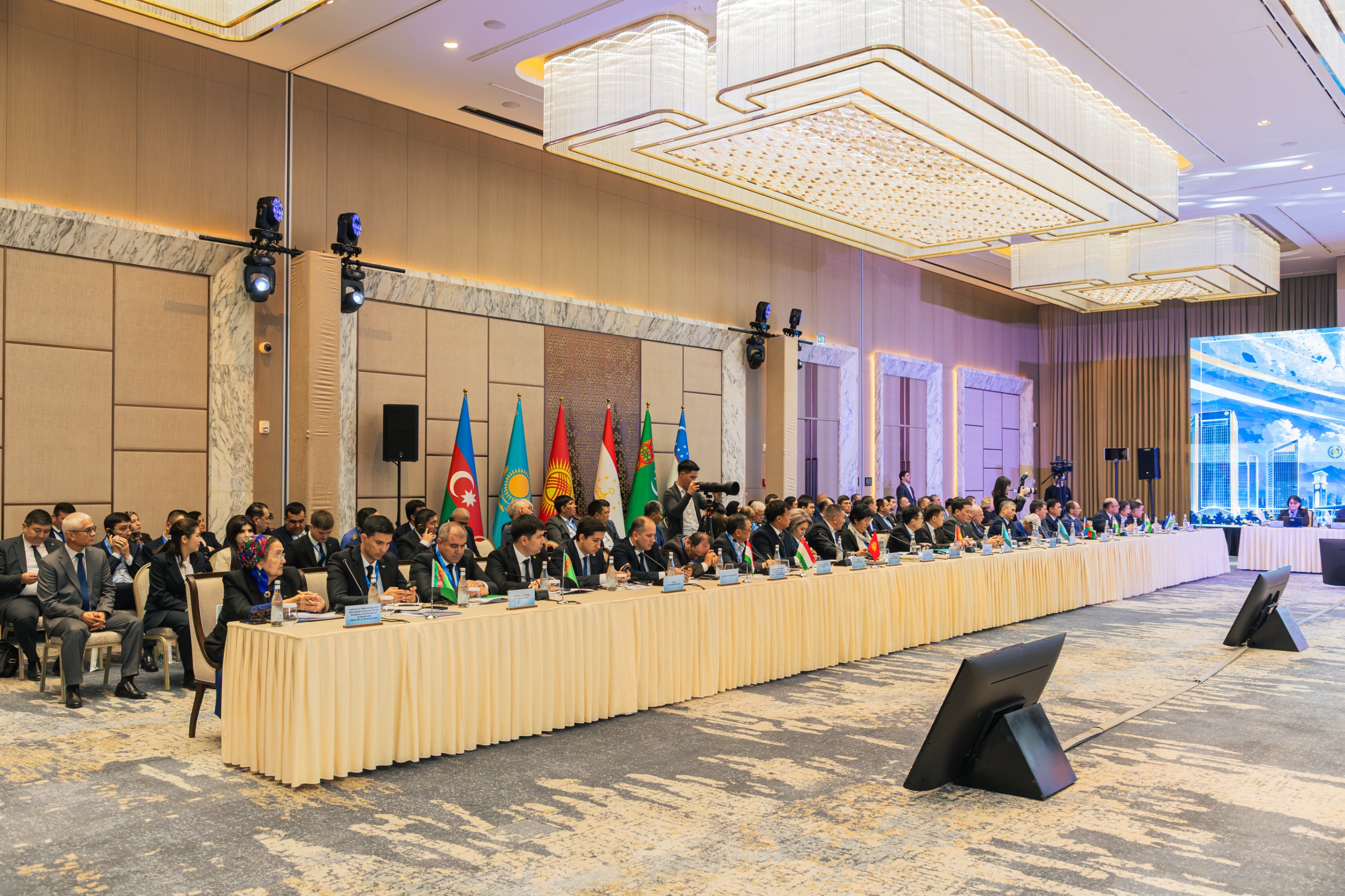
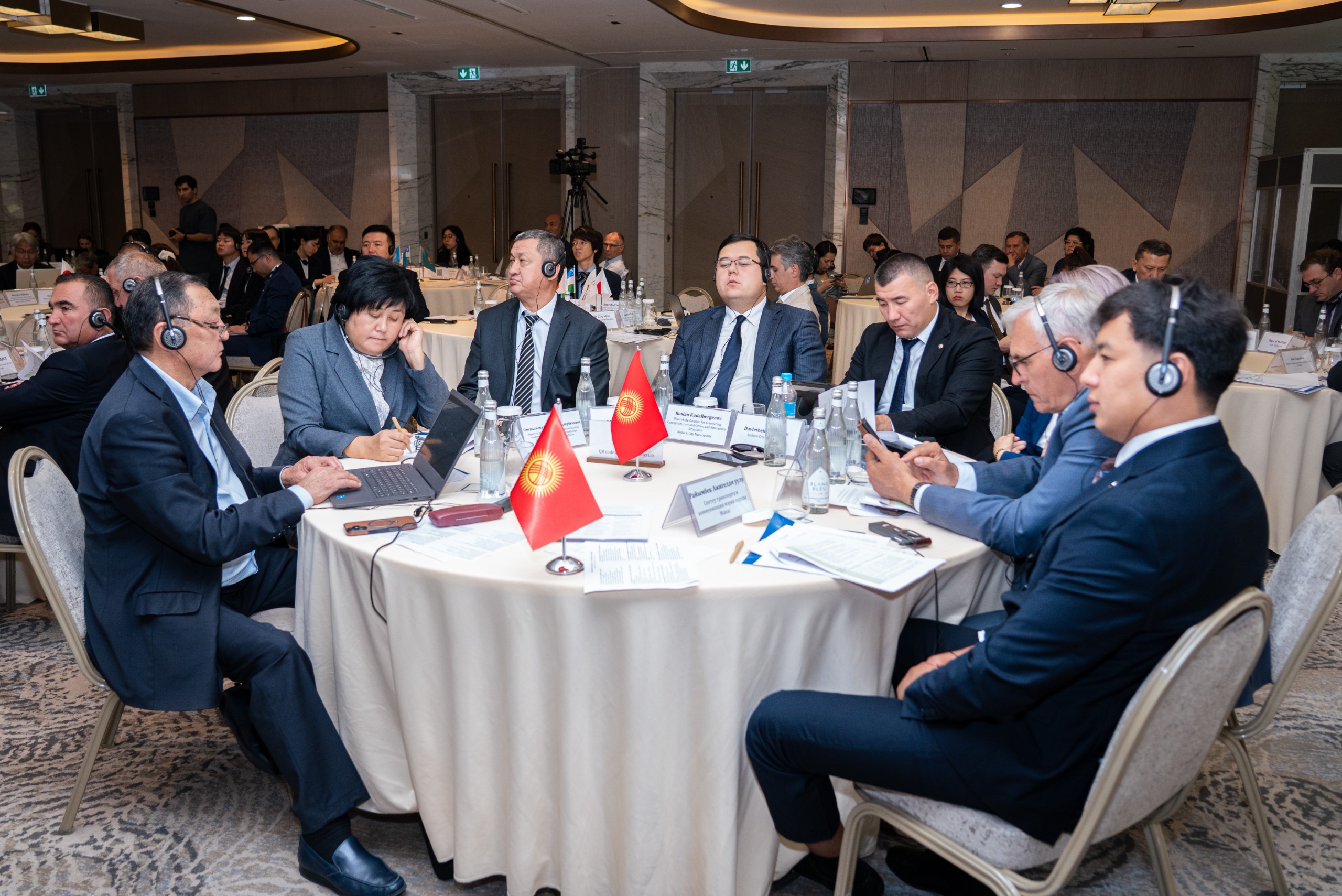
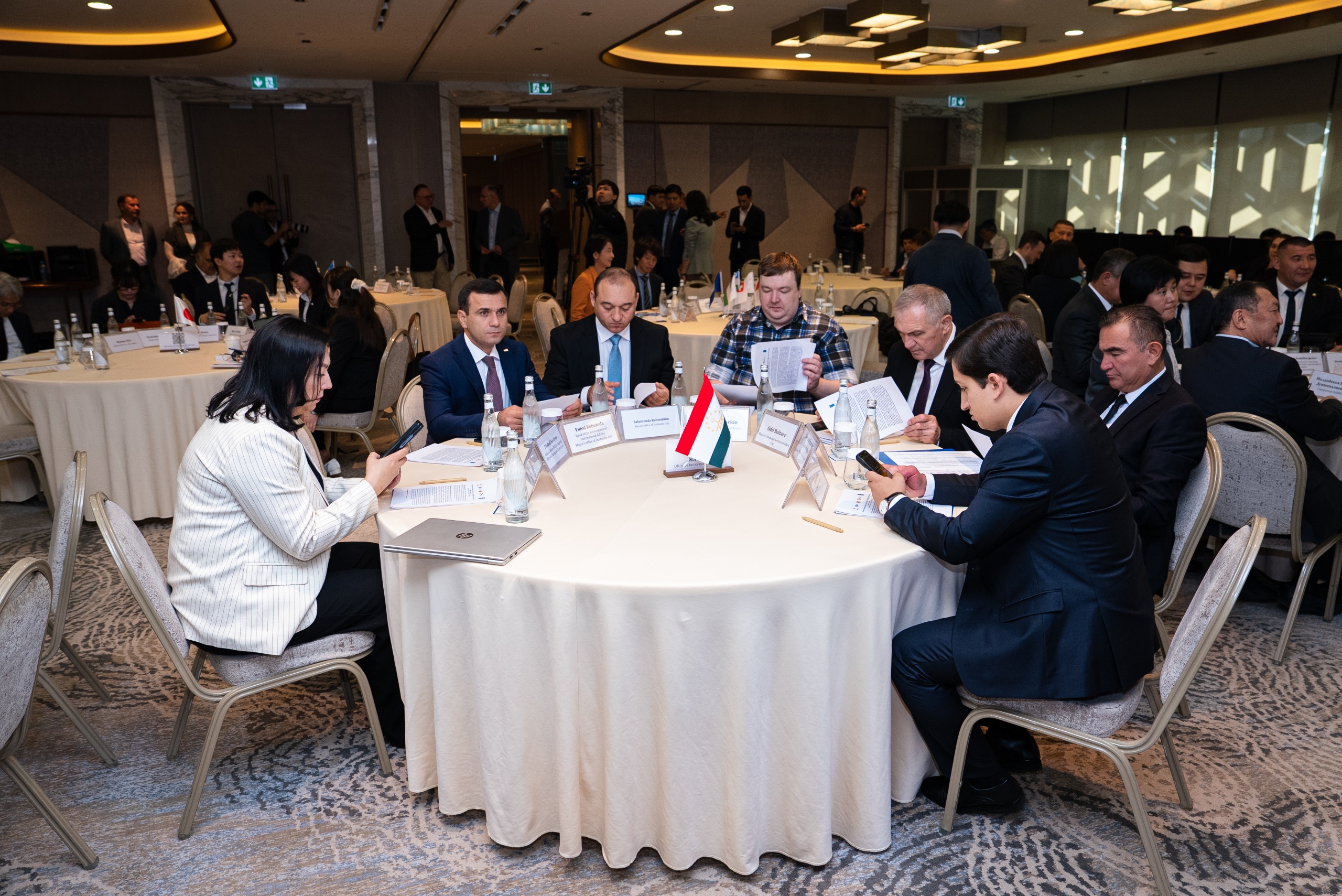
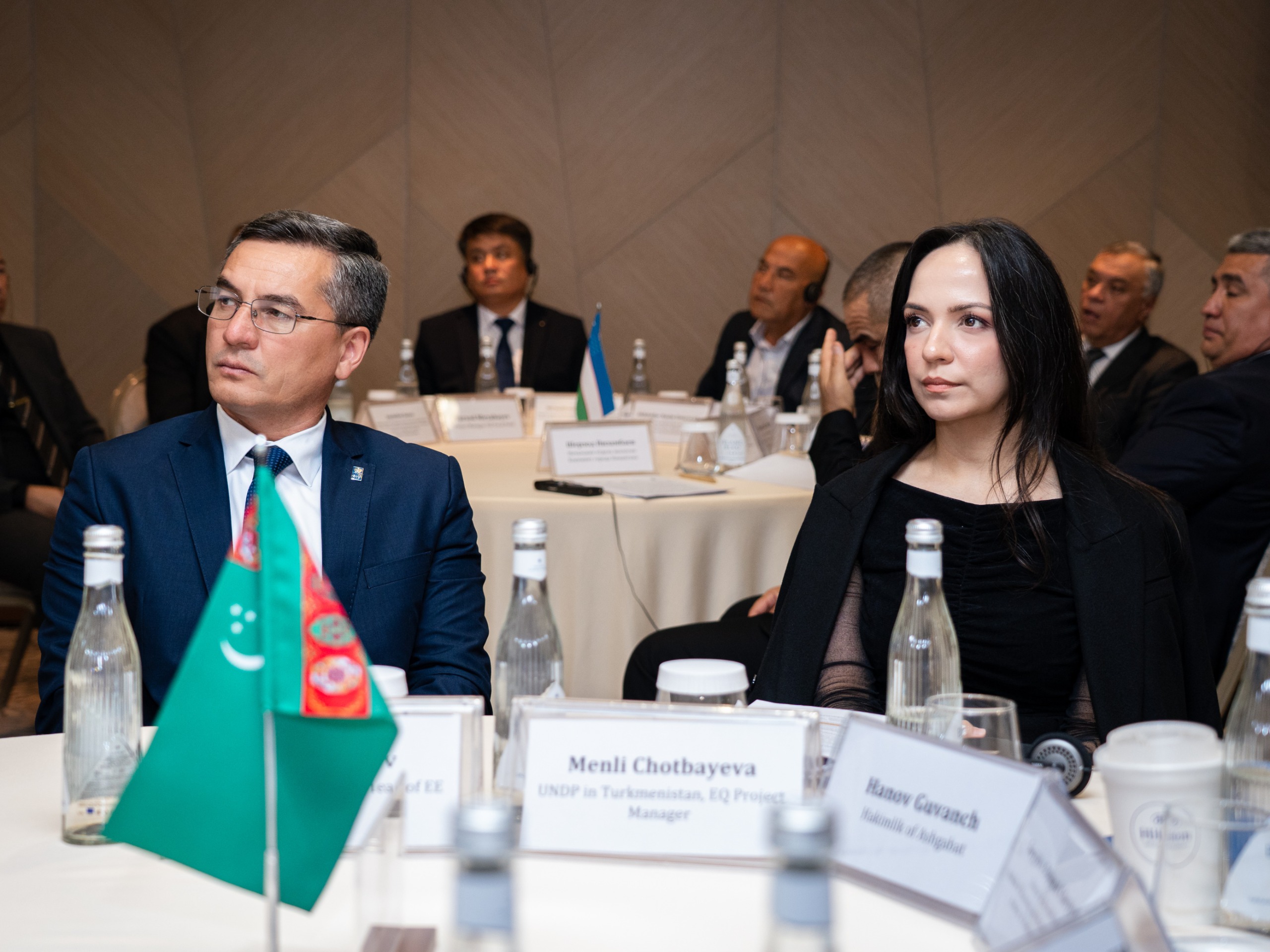
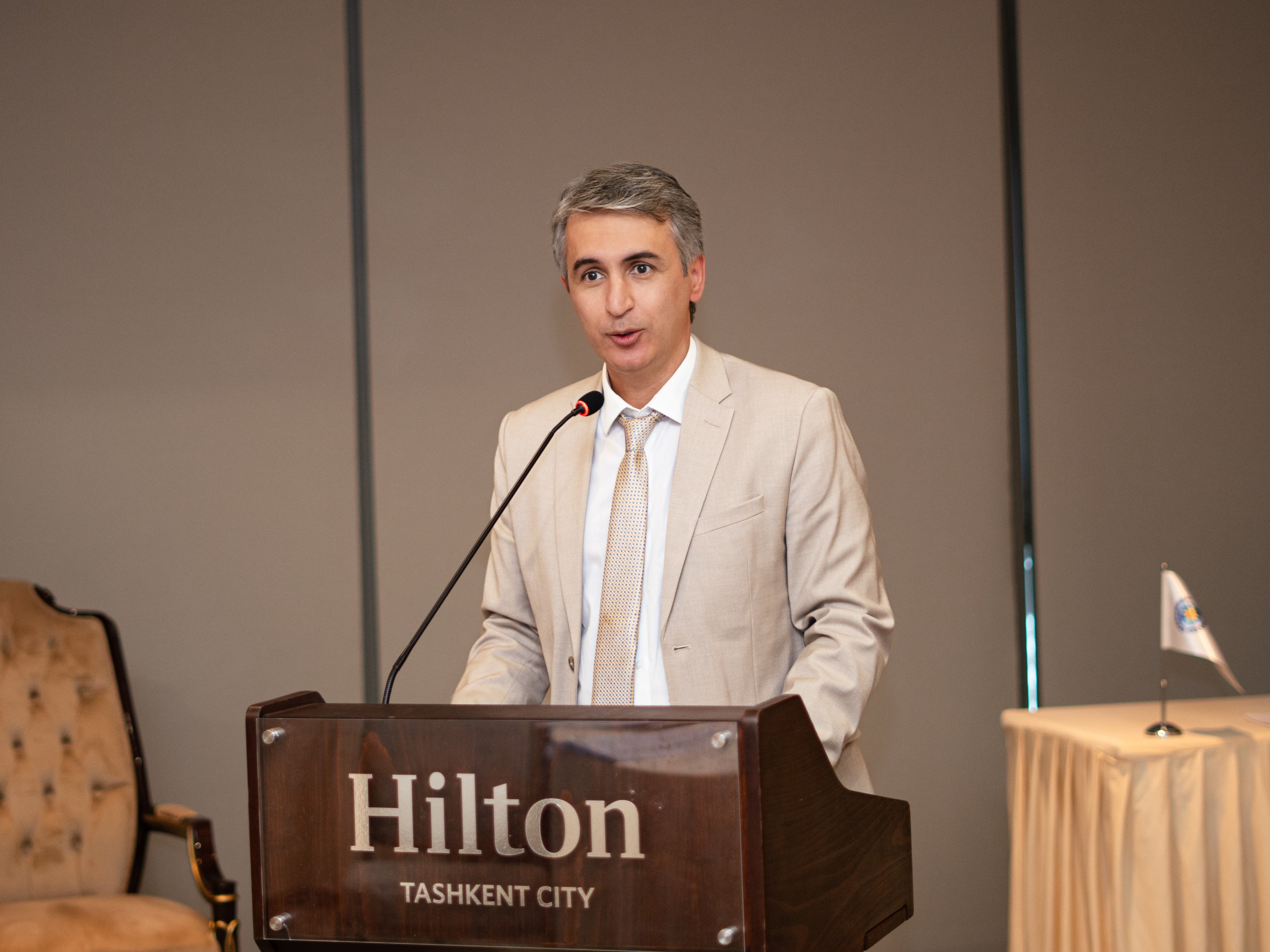
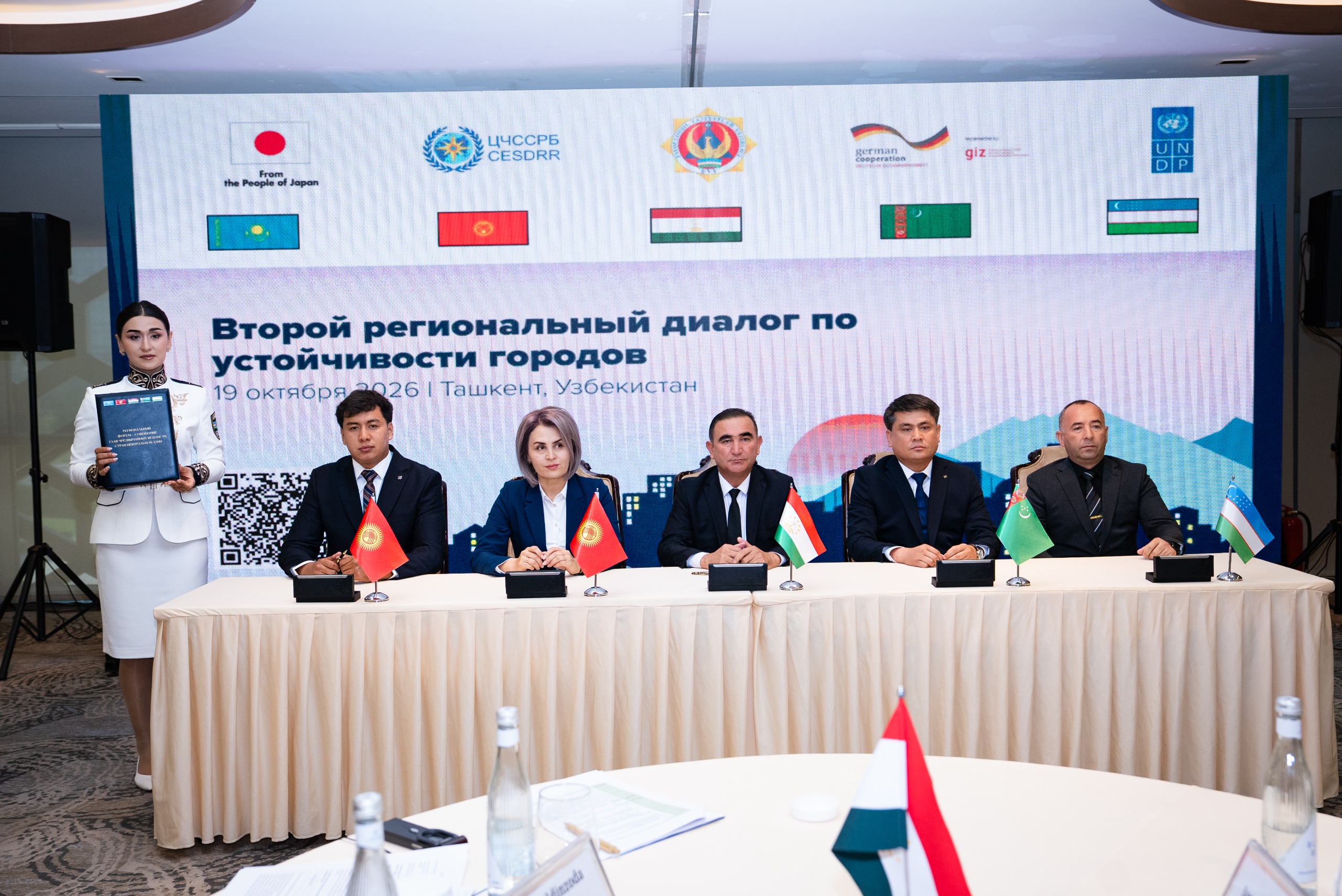
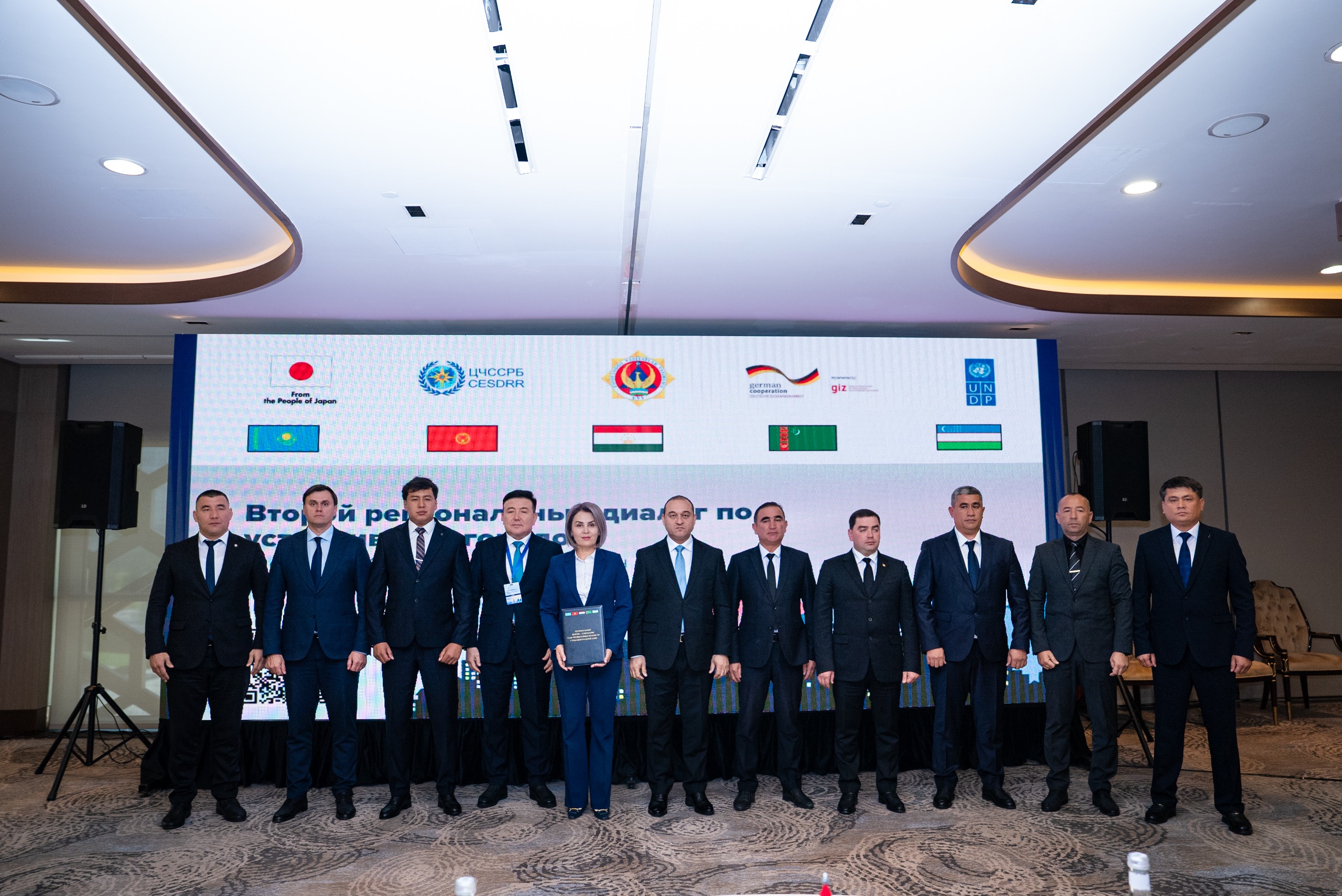
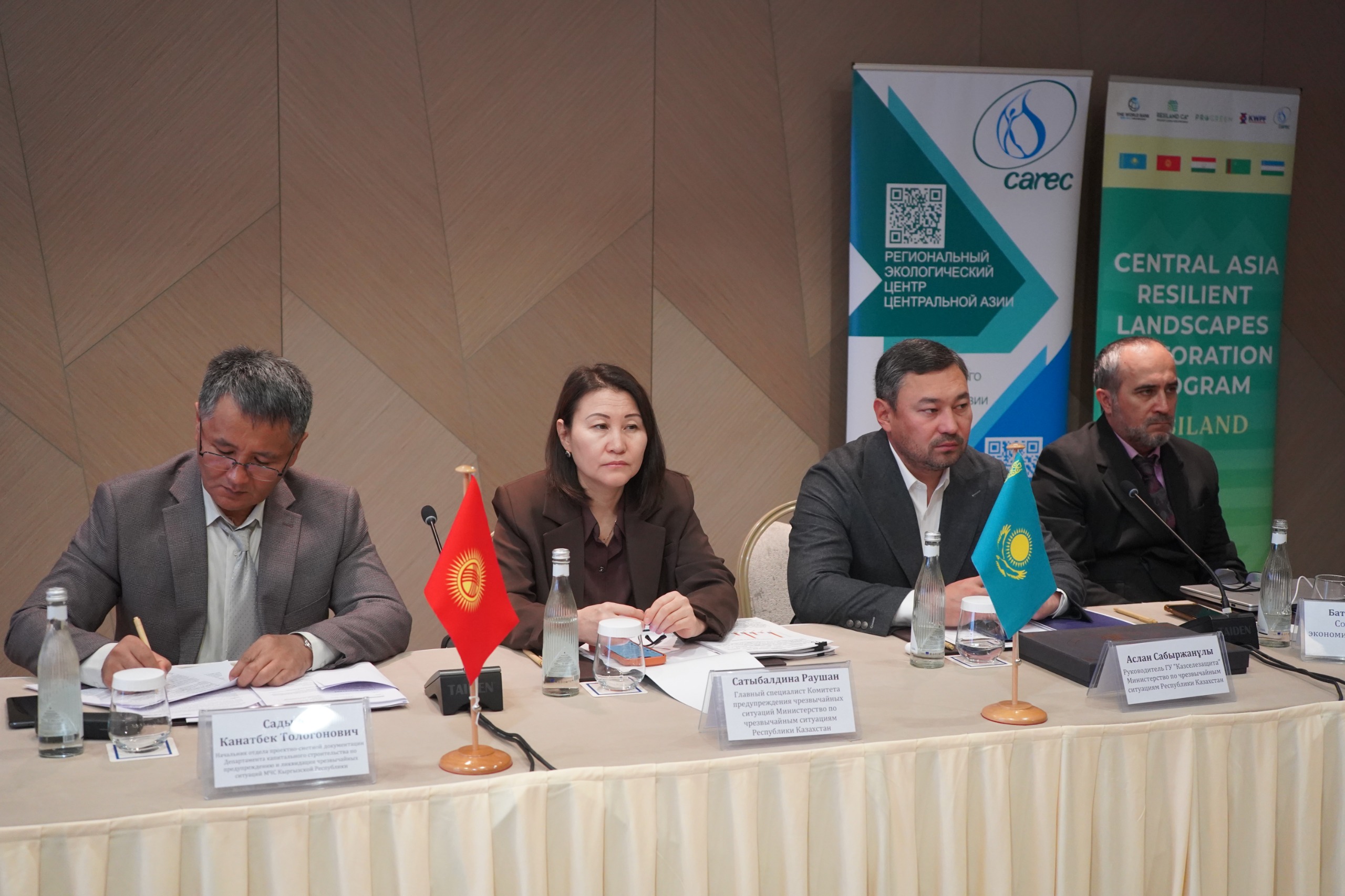
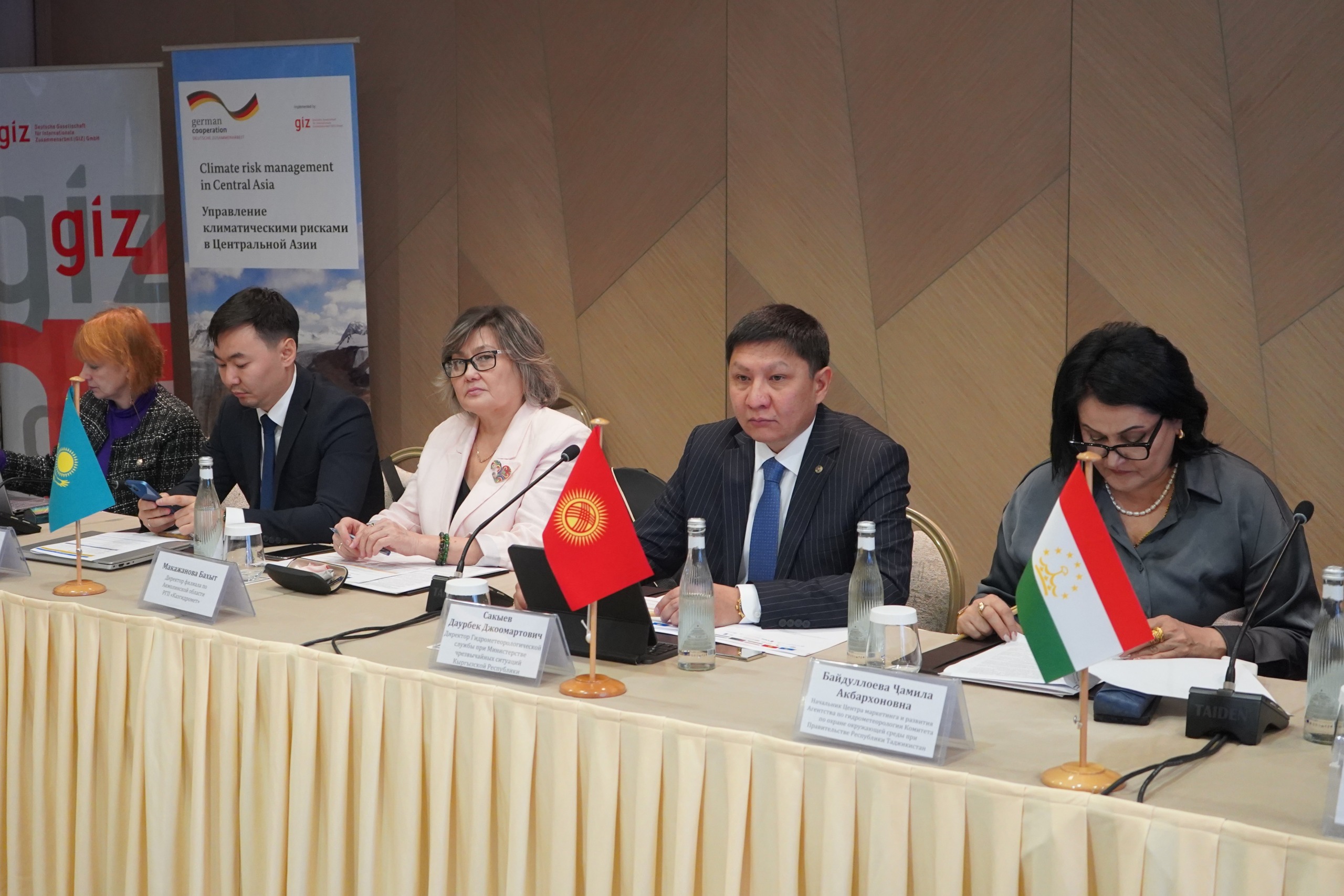
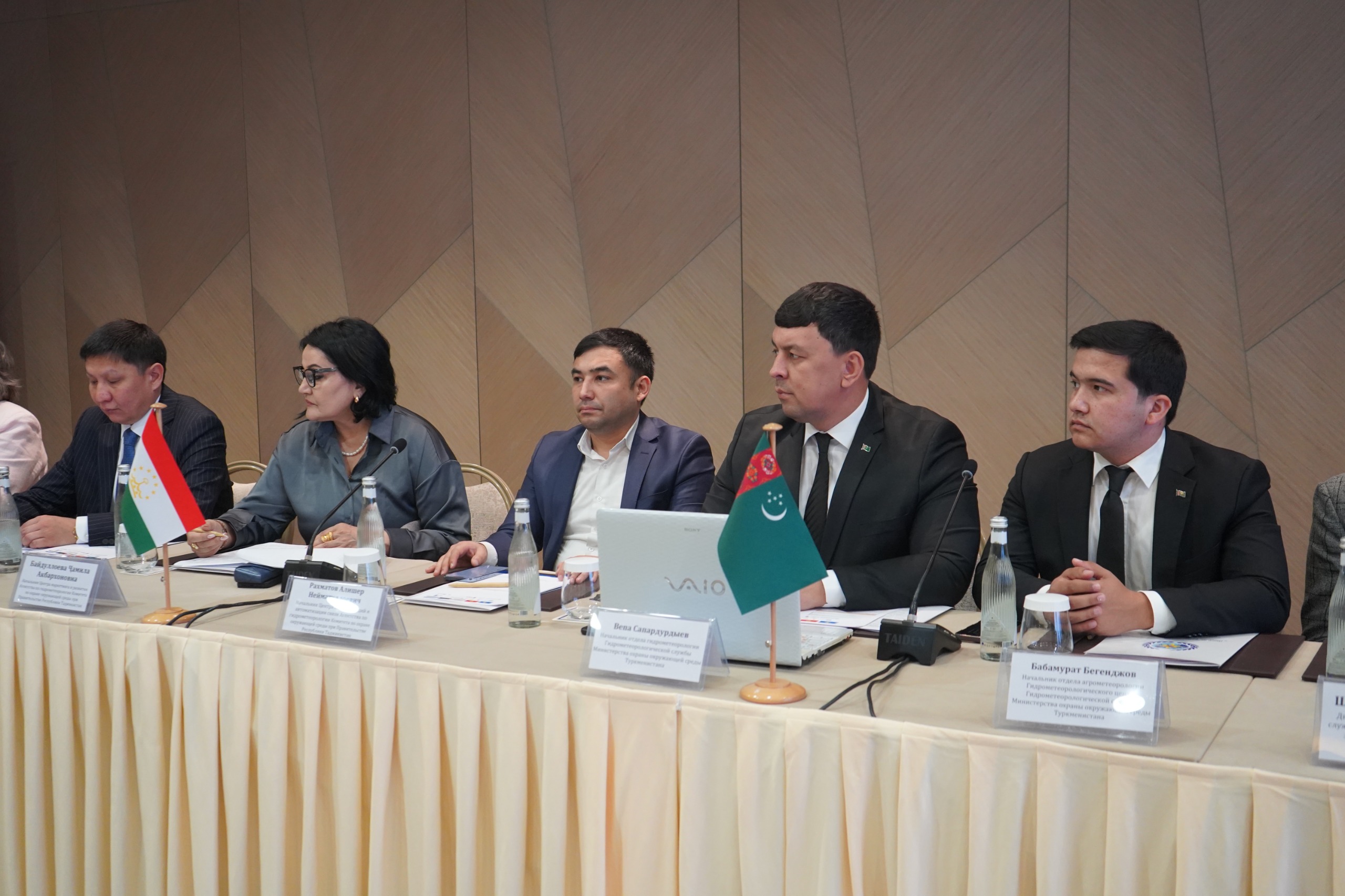
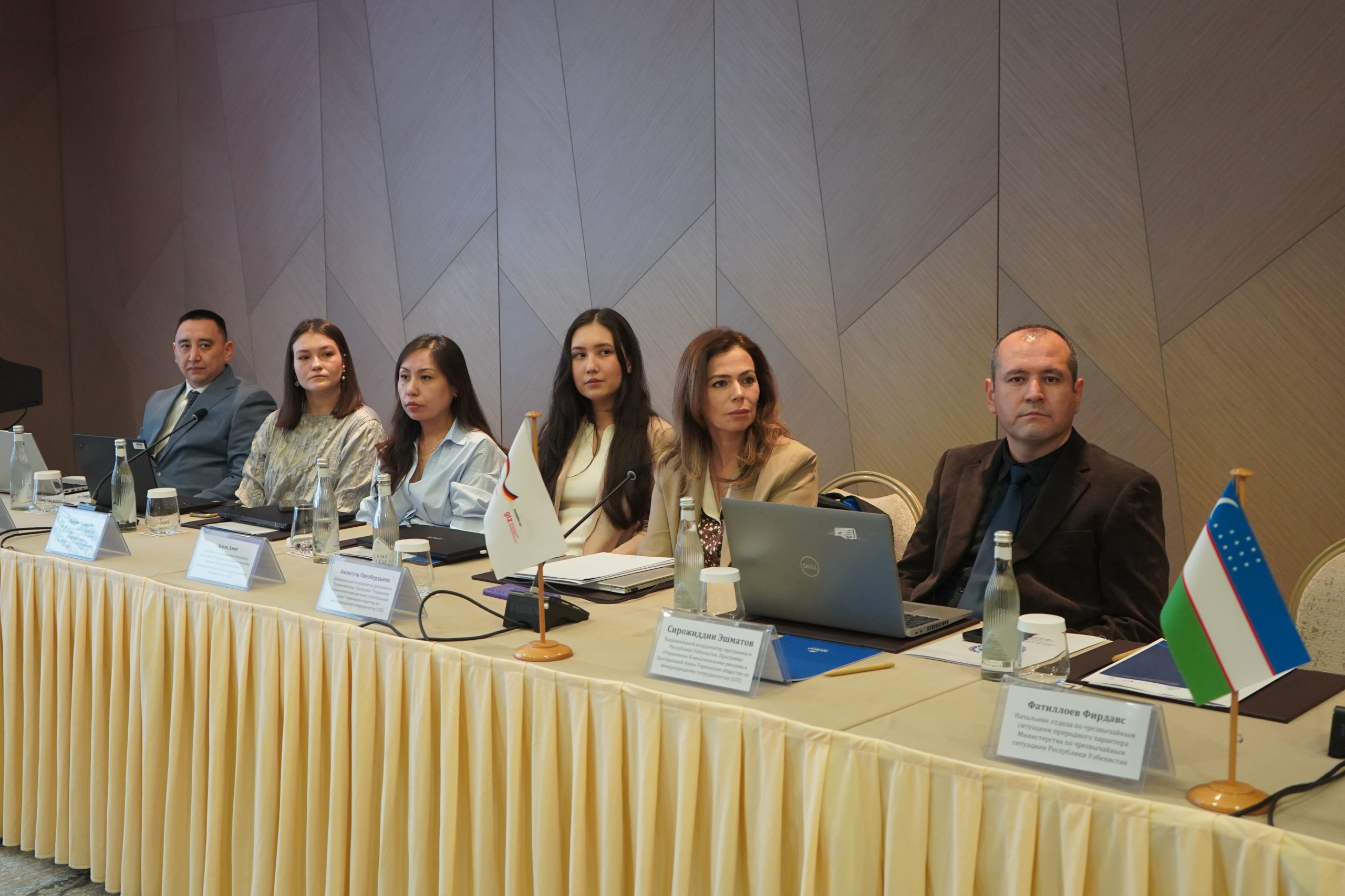
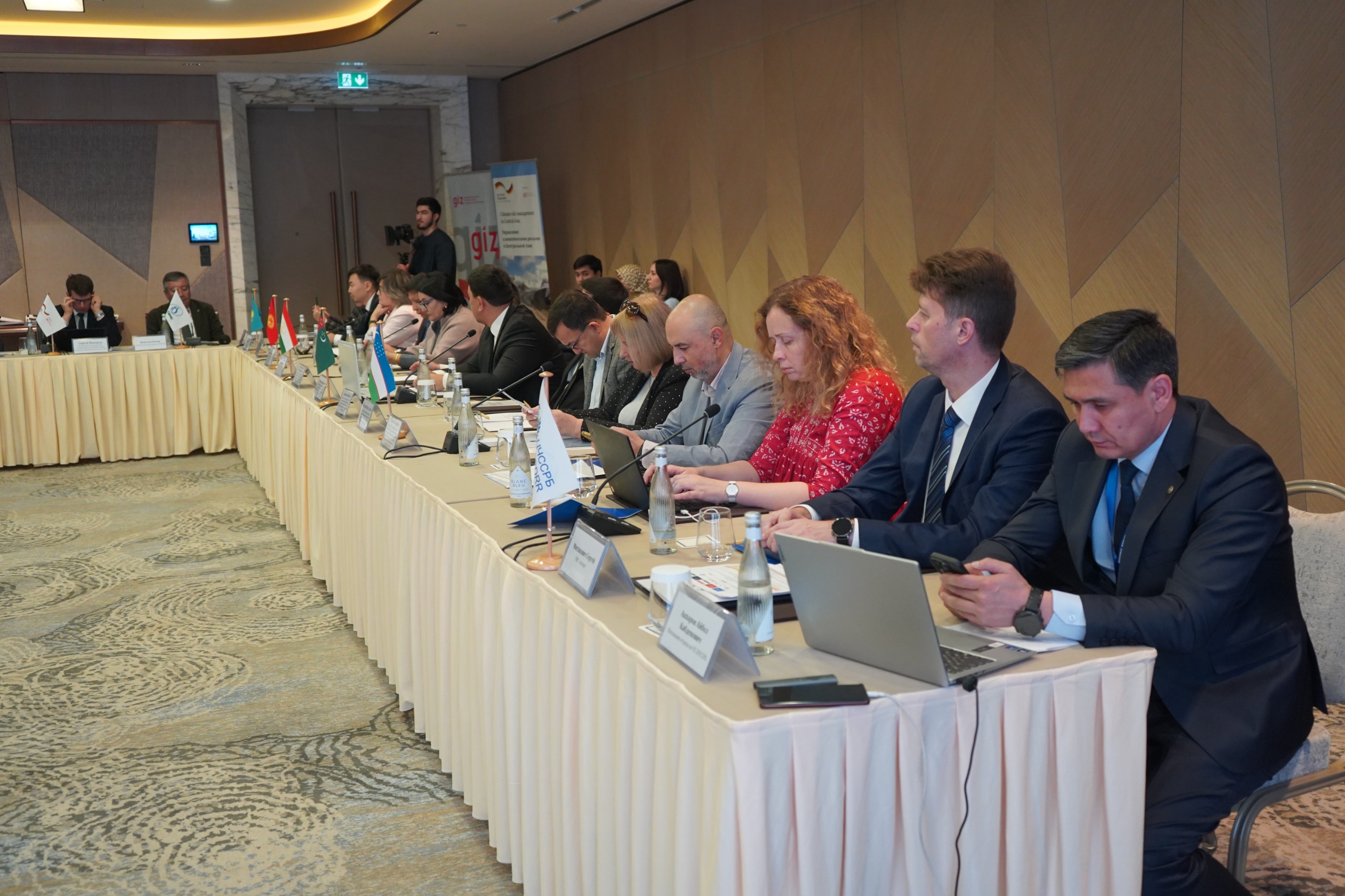
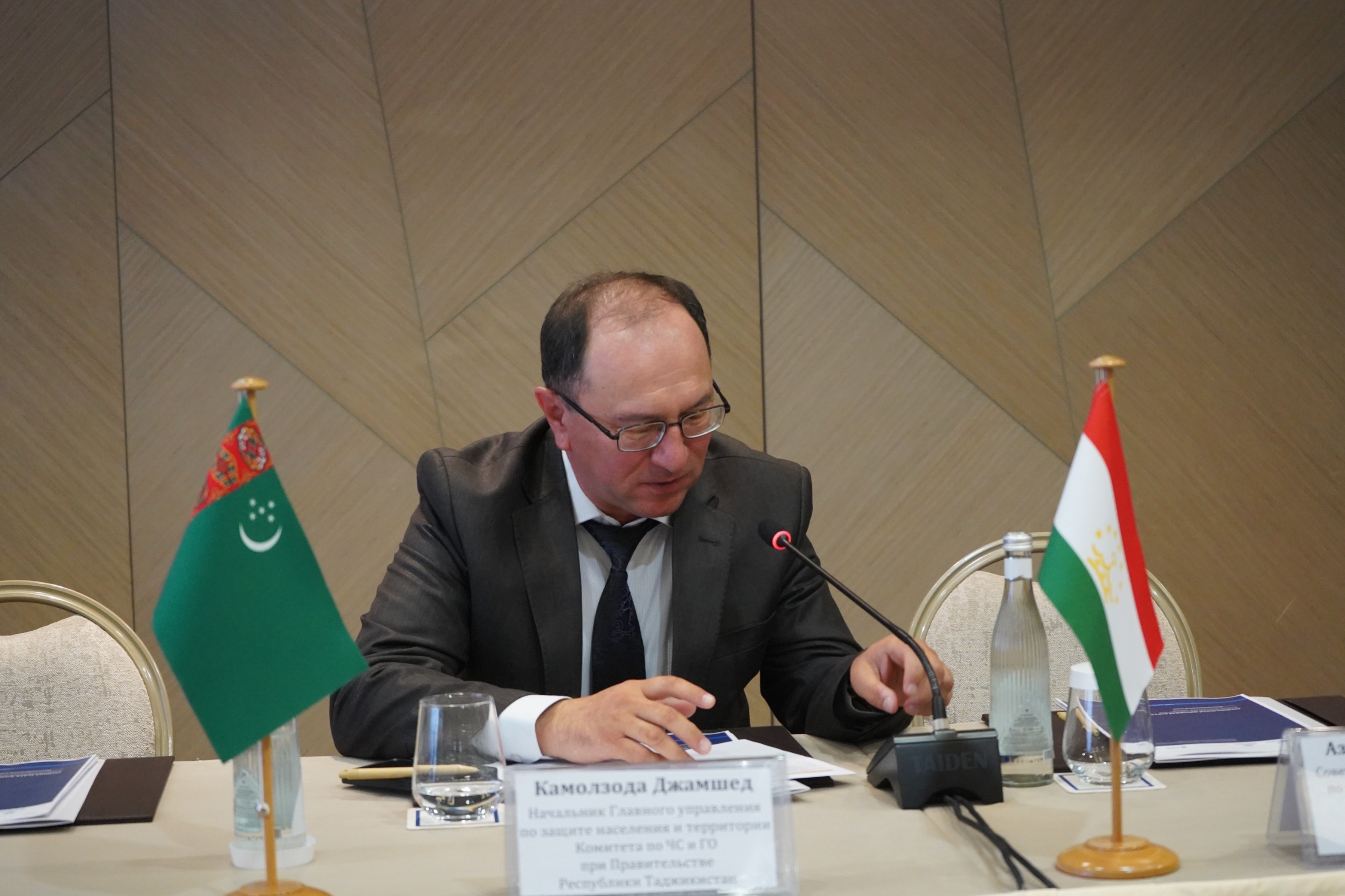
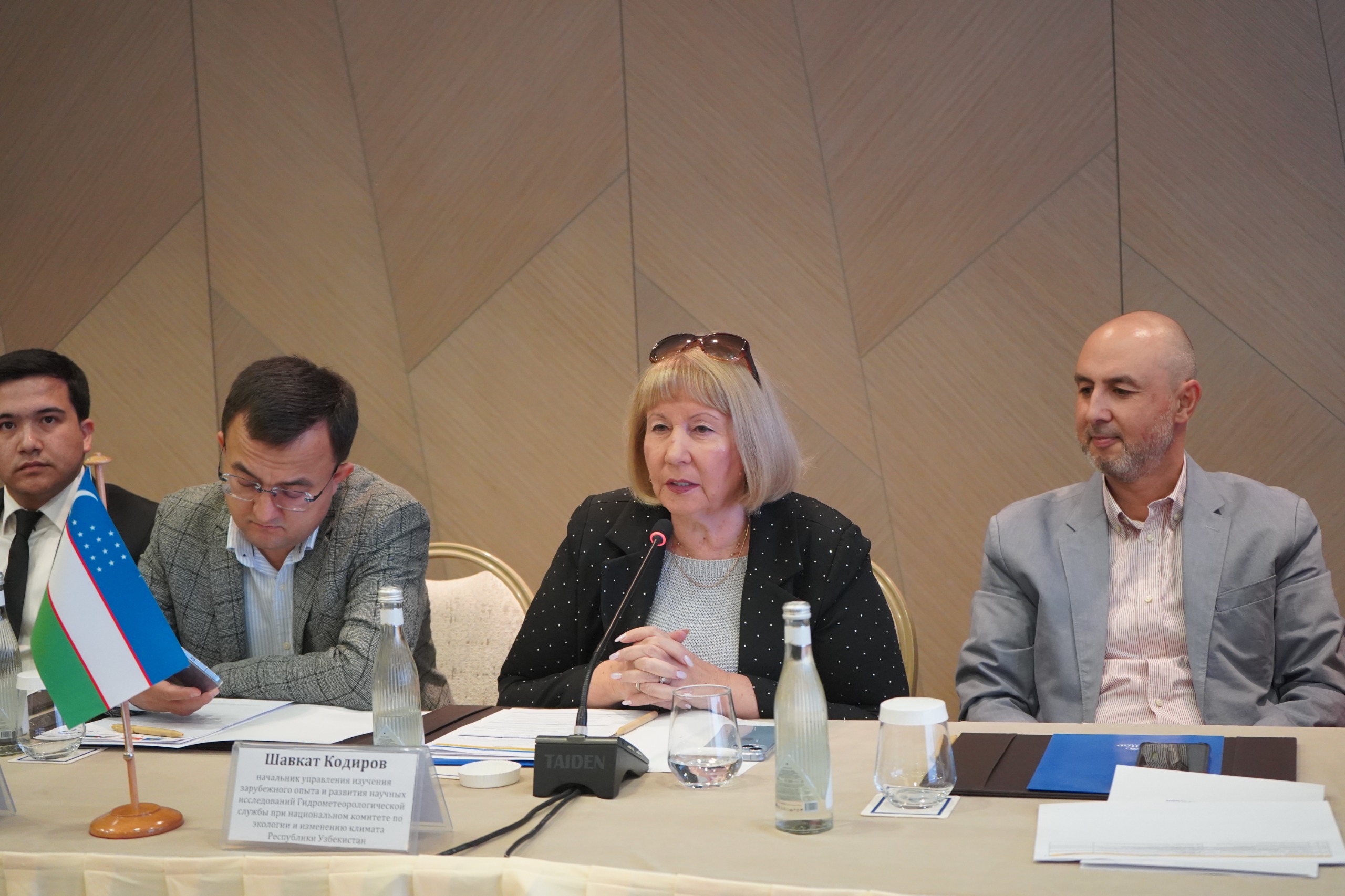
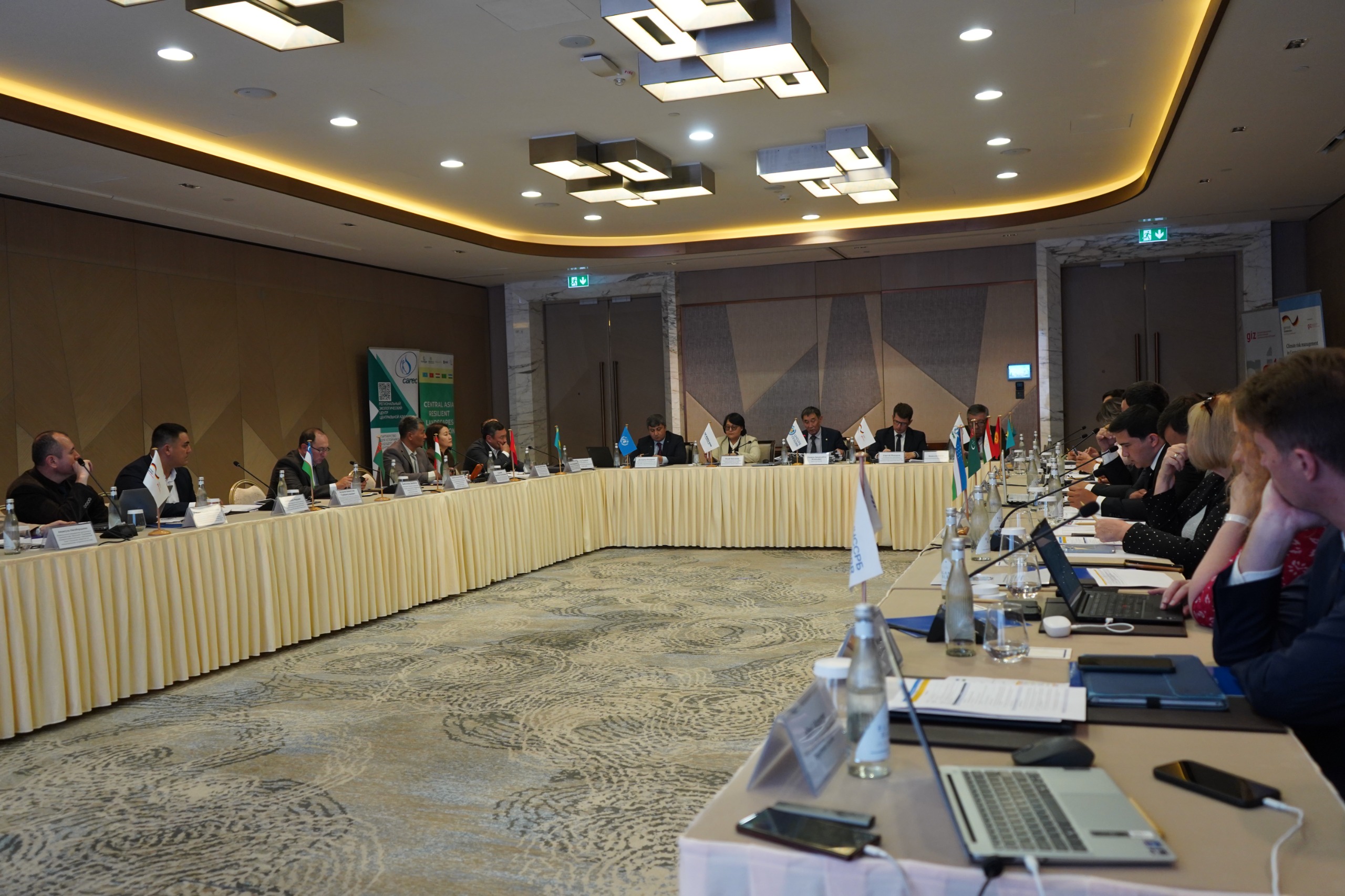
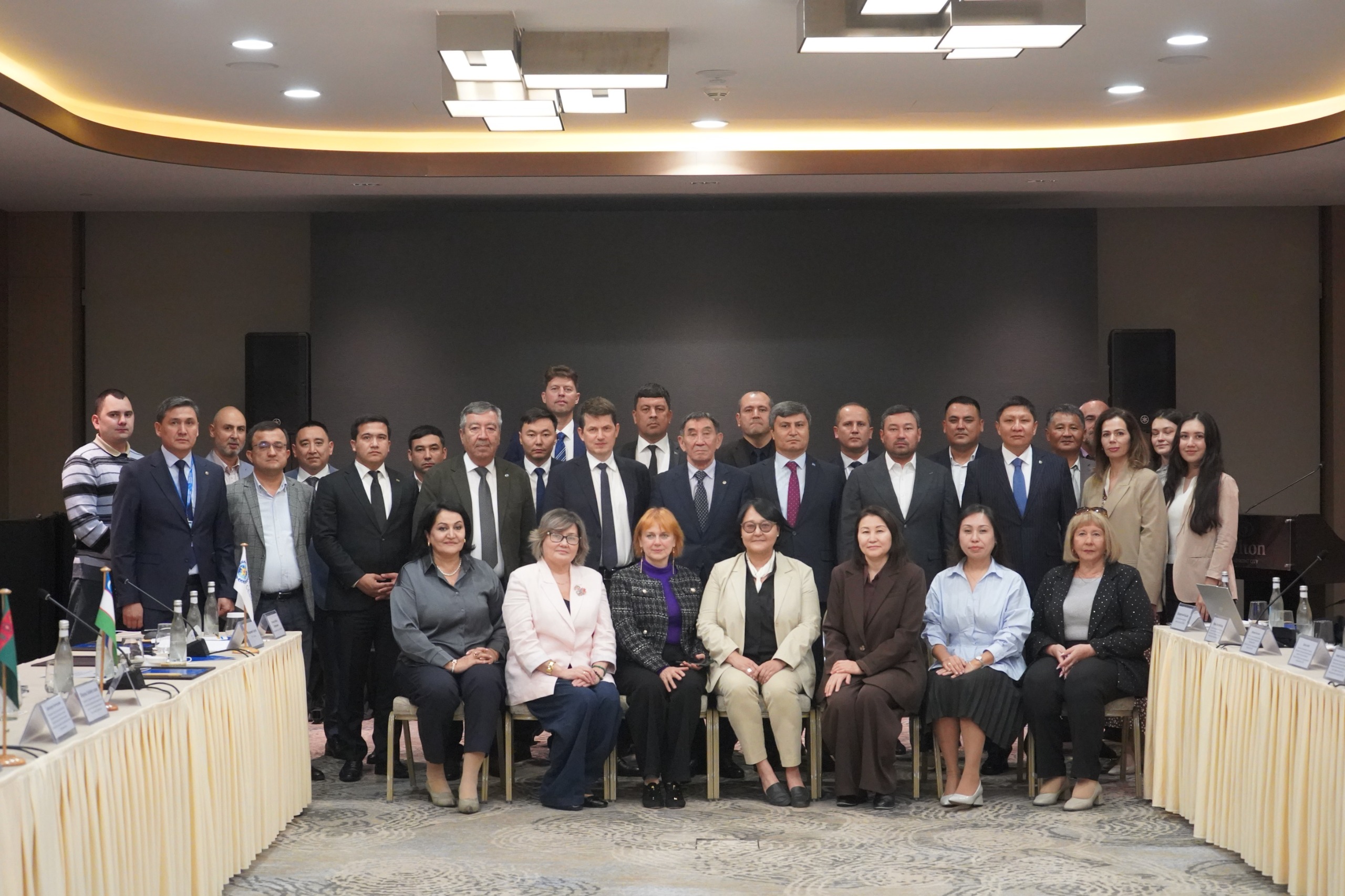
The Regional Forum – Meeting of the Heads of Emergency Authorities of Central Asian Countries was held in Tashkent, bringing together representatives of the emergency management authorities of Kazakhstan, Kyrgyzstan, Tajikistan, Turkmenistan and Uzbekistan, as well as relevant government agencies, research institutions and international organizations.
For the first time, a delegation from the Ministry of Emergency Situations of the Republic of Azerbaijan participated in the Regional Forum as an observer, providing an additional opportunity to expand regional dialogue and strengthen international cooperation in disaster risk reduction and emergency response.
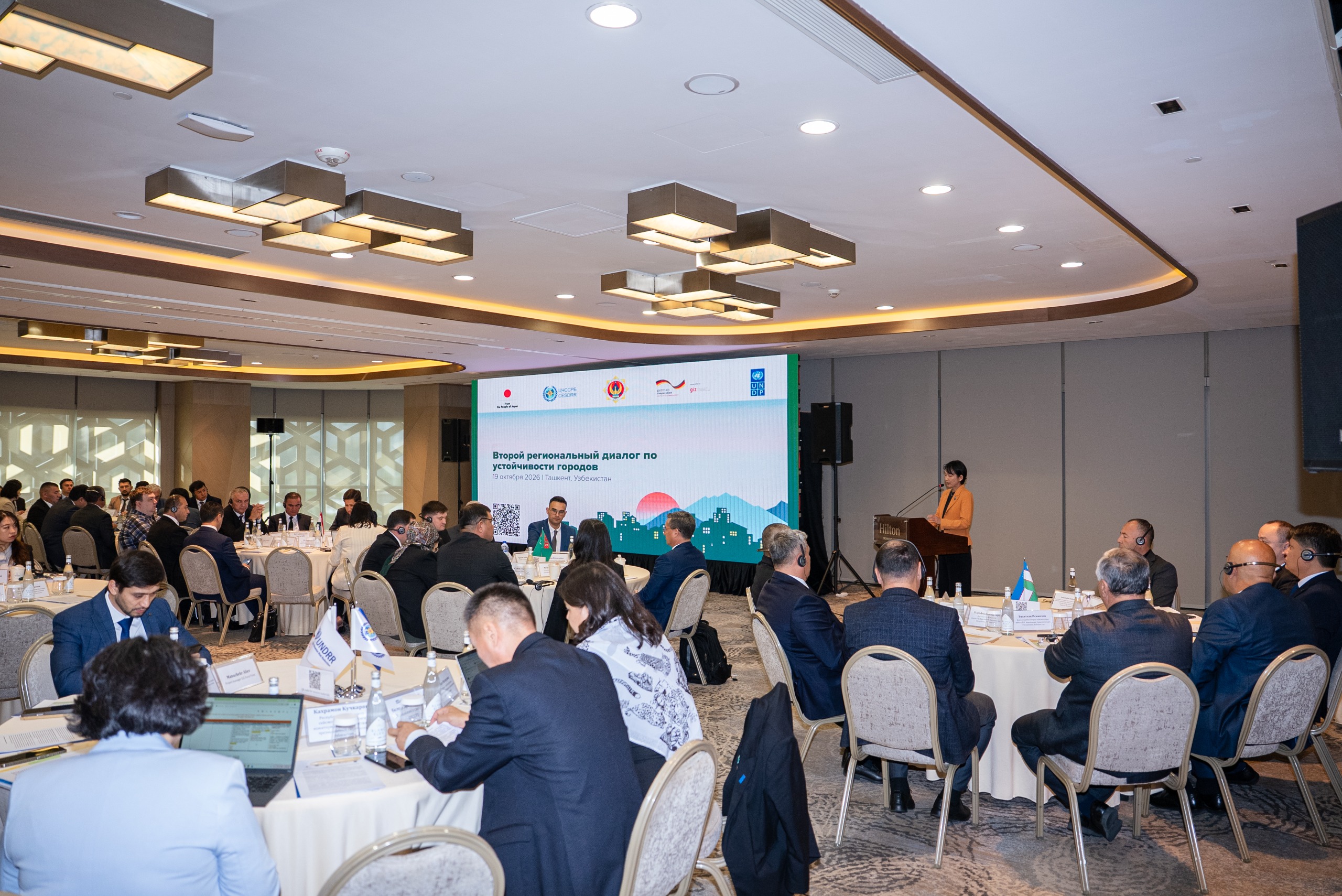
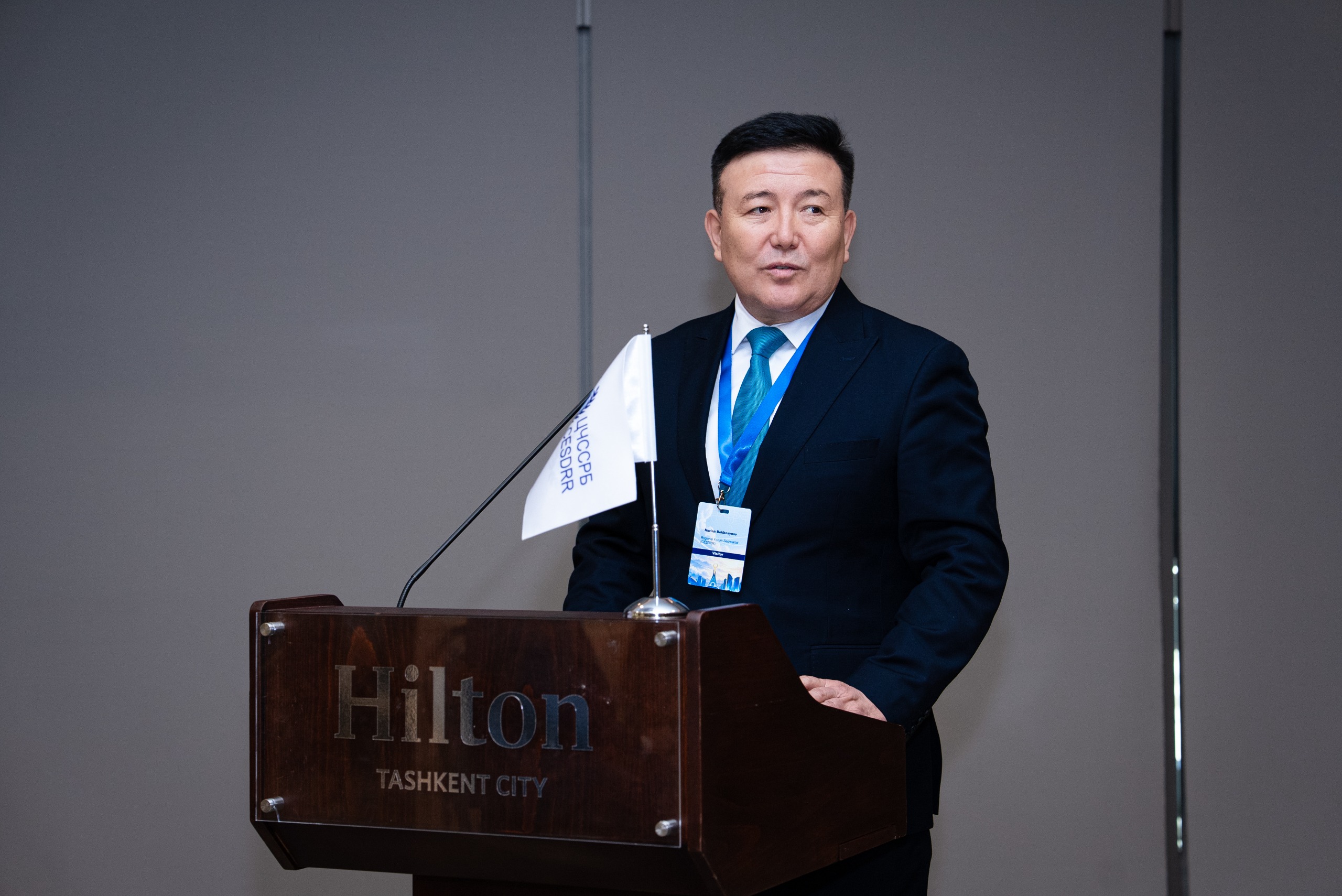
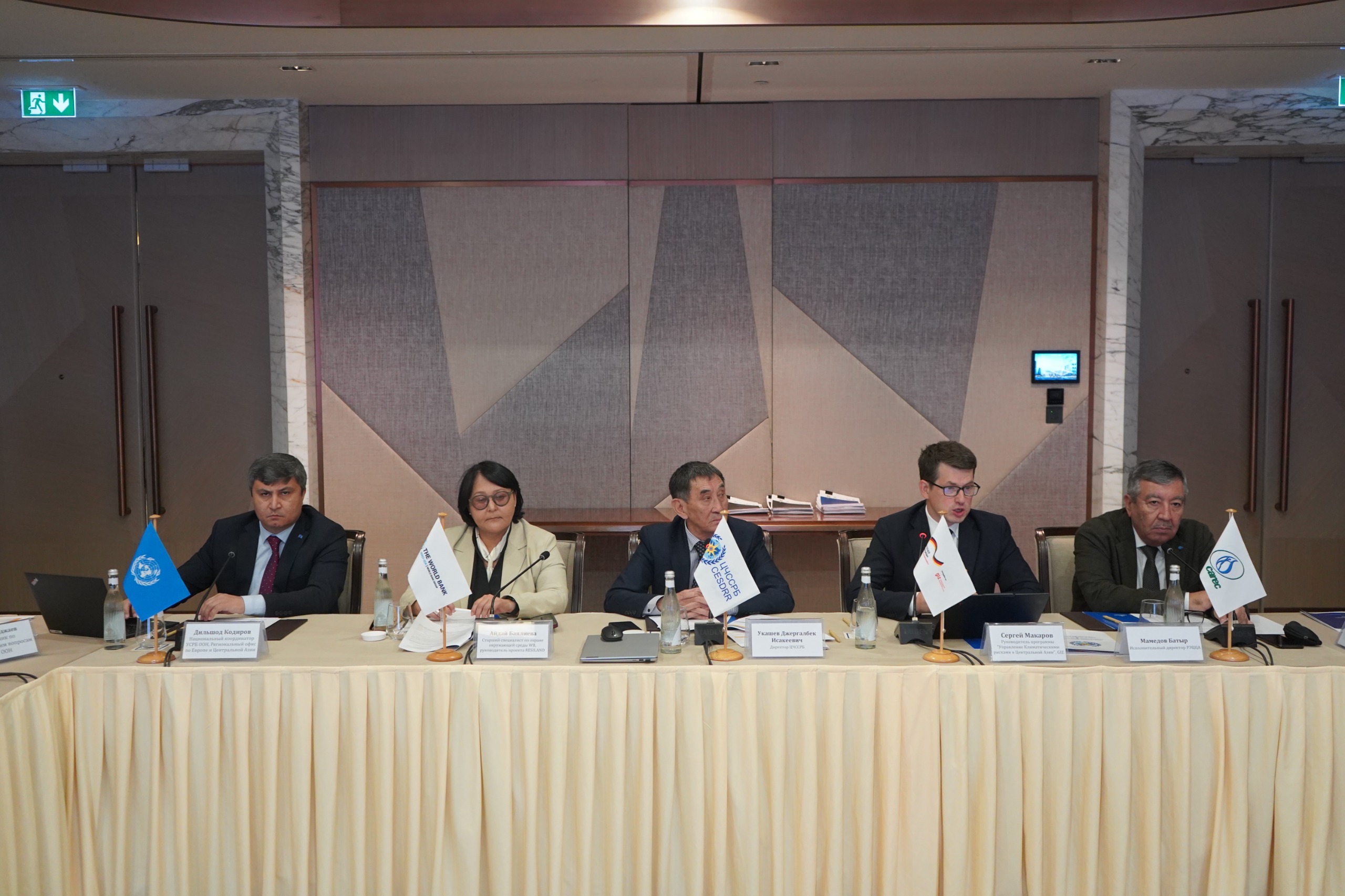
The large-scale event was organized by the Ministry of Emergency Situations of the Republic of Uzbekistan (host country) and the Center for Emergency Situations and Disaster Risk Reduction (CESDRR), which serves as the Secretariat of the Regional Forum. The event was held with technical and financial support from the Government of Japan, the United Nations Development Programme (UNDP), the Deutsche Gesellschaft für Internationale Zusammenarbeit (GIZ), the International Federation of Red Cross and Red Crescent Societies (IFRC), and the Regional Environmental Centre for Central Asia (CAREC), under the World Bank’s Resilient Landscapes Restoration in Central Asia (RESILAND CA+) programme.
On the first day of the Forum, 19 October, three thematic regional dialogues were held, focusing on current issues related to emergency prevention and disaster risk reduction.
The first dialogue addressed ways to strengthen urban resilience to natural hazards and climate change, enhance seismic safety, promote scientific and technical cooperation among national seismological services and institutes, and improve early warning systems and the exchange of information on potential threats.
Particular attention was paid to strengthening cooperation among Central Asian cities, developing partnerships within the Coalition for Resilient Cities, and integrating disaster risk reduction and climate change adaptation principles into urban planning processes.
A separate regional dialogue focused on the safe management of transboundary water resources, improvements in hydrometeorological monitoring, and data exchange among national services. Participants discussed opportunities for applying modern information and communication technologies. Representatives of relevant services from Central Asian countries also reviewed the Regional Roadmap for Mitigating the Consequences of Transboundary Mudflows and Floods.
The expert session also addressed ways to improve the regional mechanism for international response to large-scale and transboundary emergencies, including the coordination of joint actions, the provision of international humanitarian assistance, and the implementation of recovery measures.
The plenary sessions placed particular emphasis on the introduction of innovation, digitalization and artificial intelligence into the operations of emergency services, as well as the development of early warning systems.
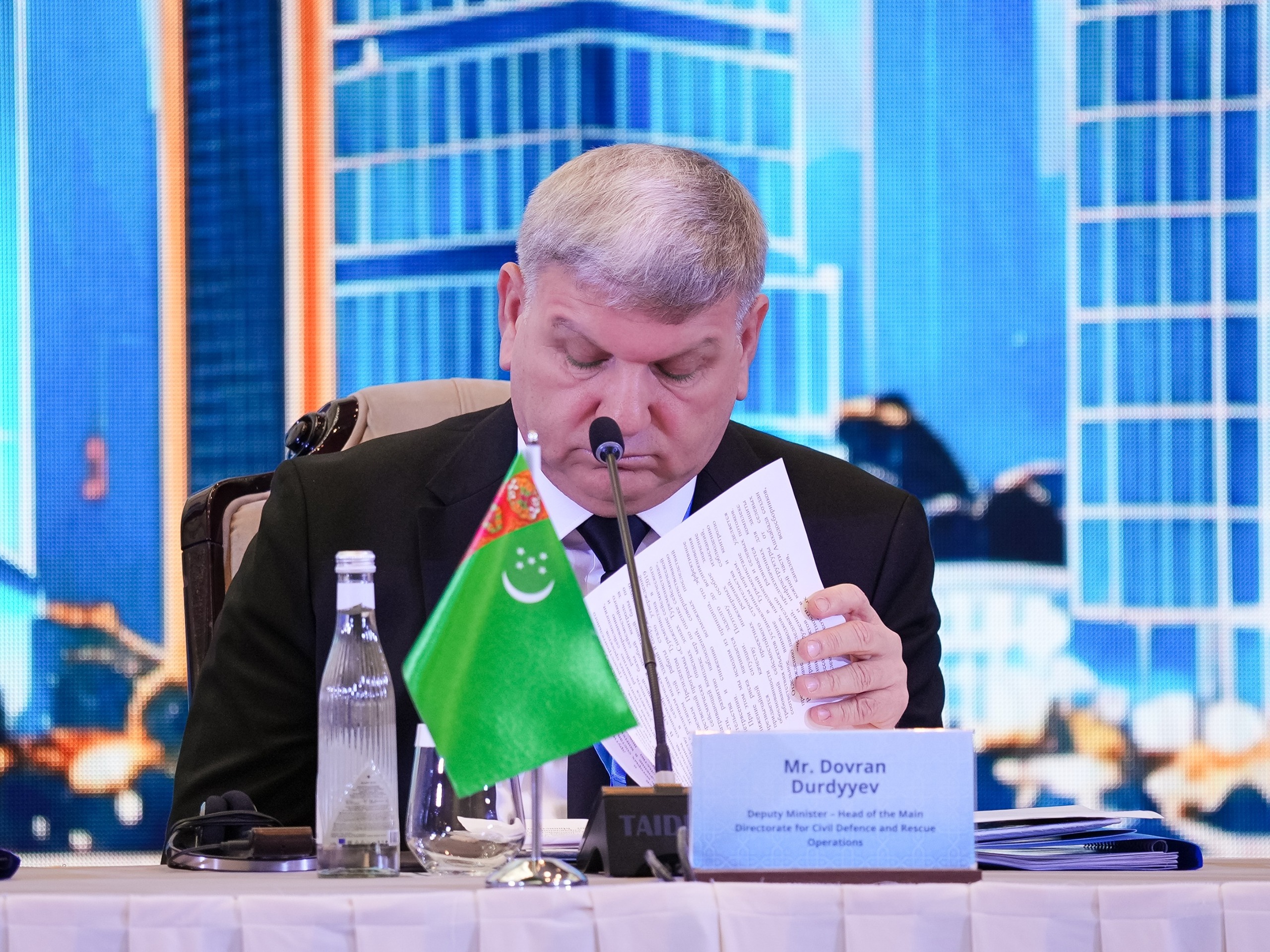
On 20 October, a high-level event—the Meeting of Heads of Emergency Management Authorities of Central Asian Countries—was held. Regional initiatives, programmes and projects aimed at strengthening countries’ preparedness for emergencies and advancing practical cooperation were presented and discussed.
Throughout the Forum, participants emphasized the importance of consolidating the efforts of regional states in preventing and responding to transboundary emergencies, developing early warning systems, and introducing modern technological solutions into emergency management processes.
The participation of representatives of international organizations and specialized institutions provided an opportunity to discuss further technical and expert support for regional initiatives, the exchange of best practices, and the implementation of joint projects.
The Forum also served as a platform for bilateral and multilateral meetings, during which delegations and representatives of international organizations discussed prospects for further cooperation and priority areas for joint action.
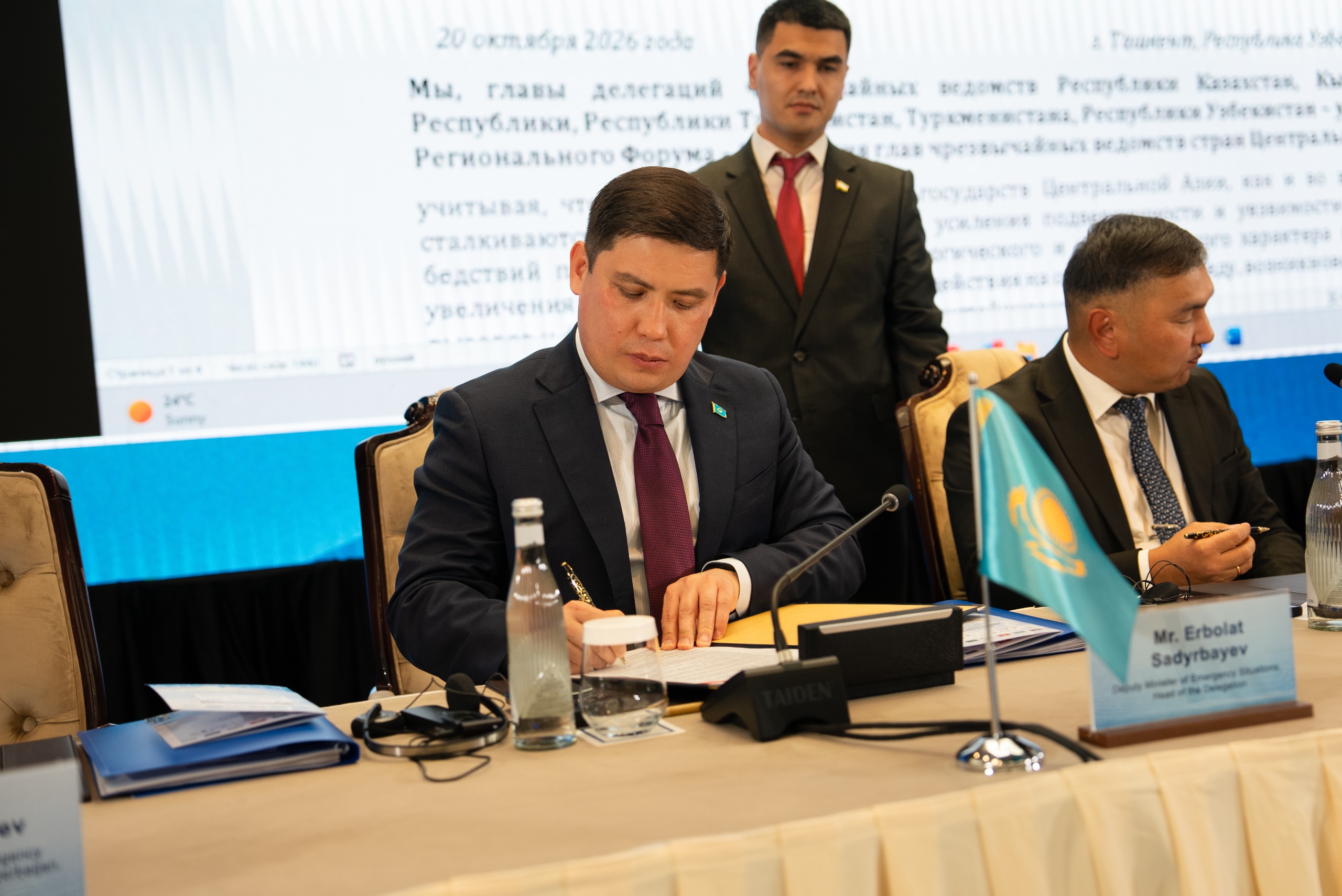
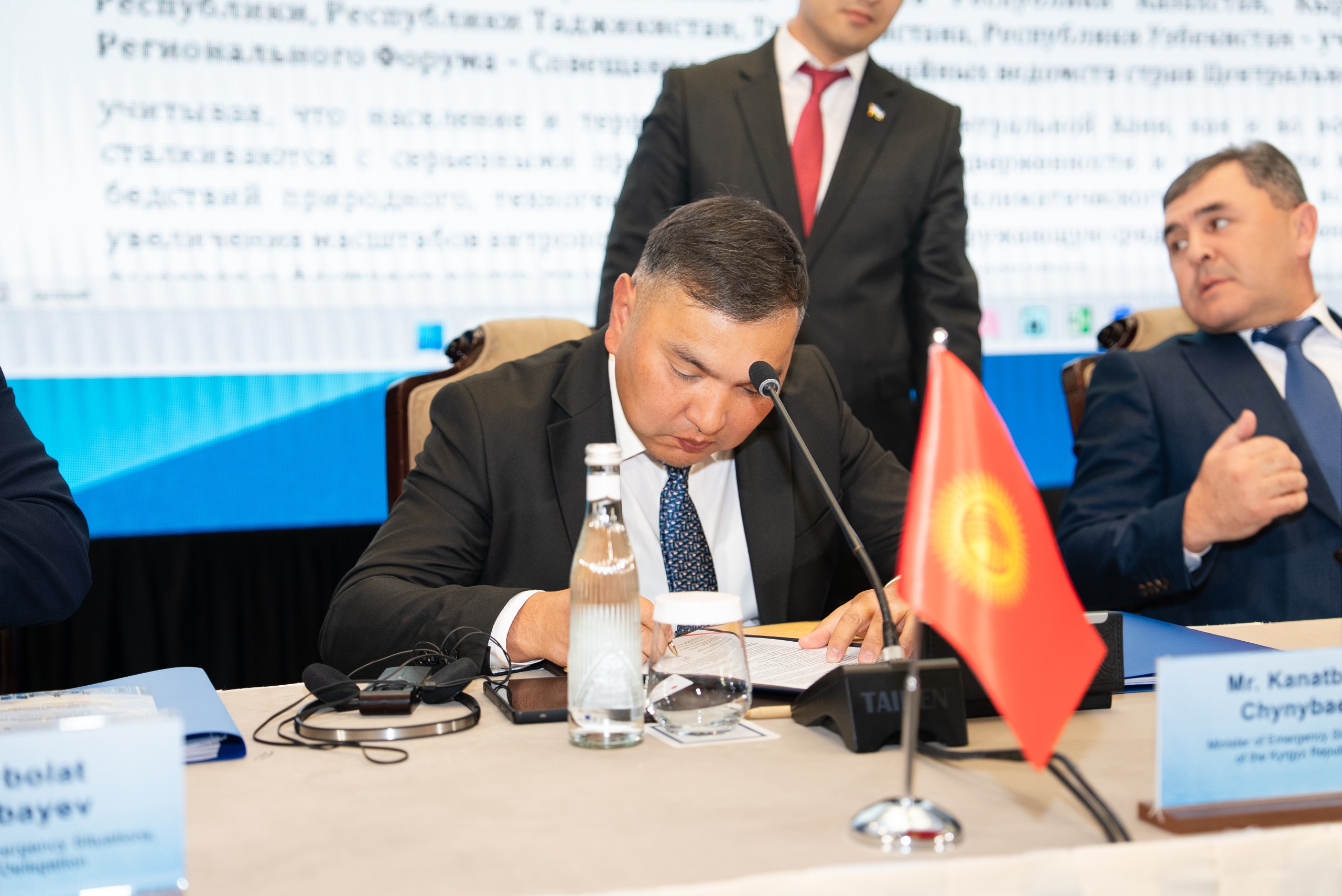
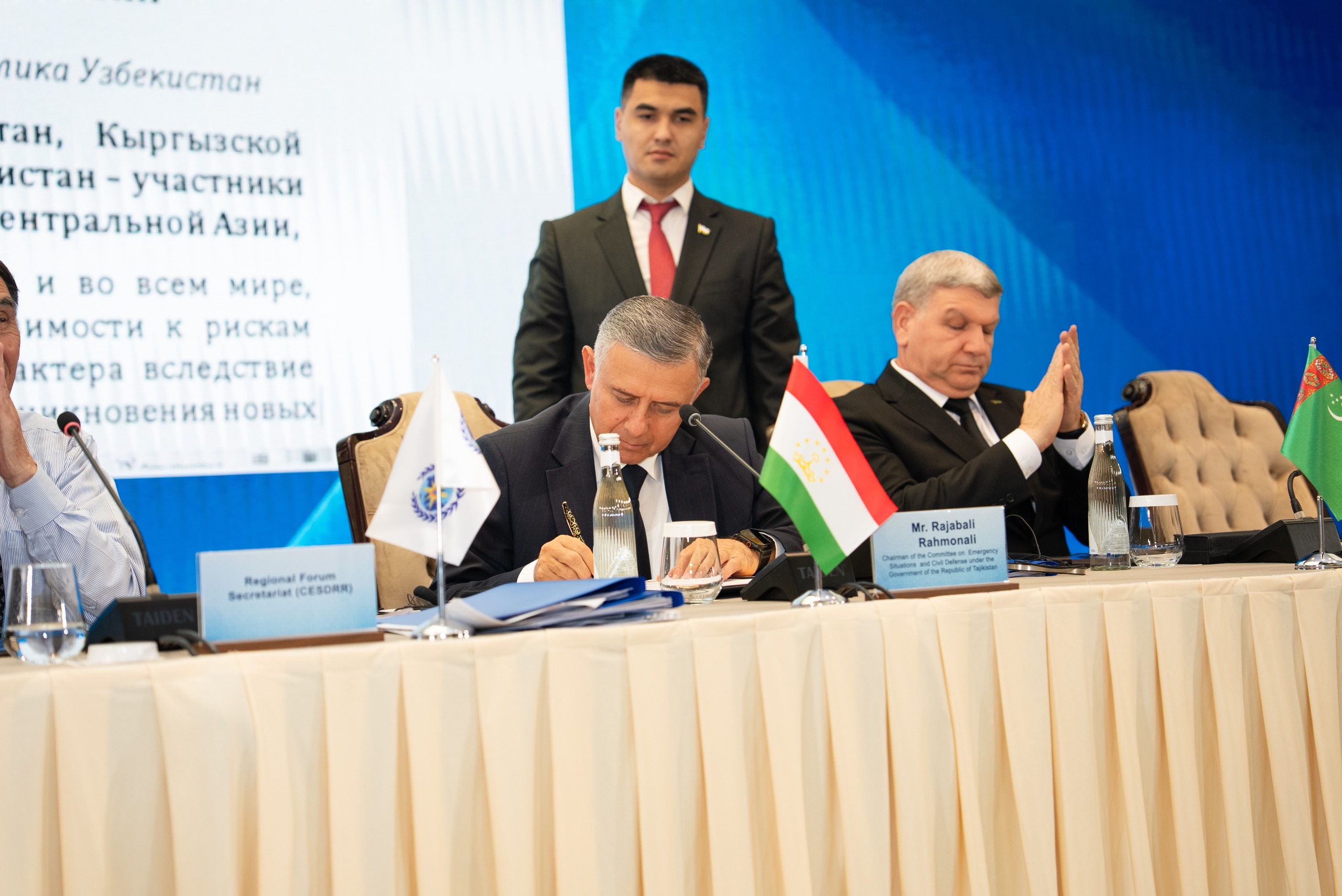
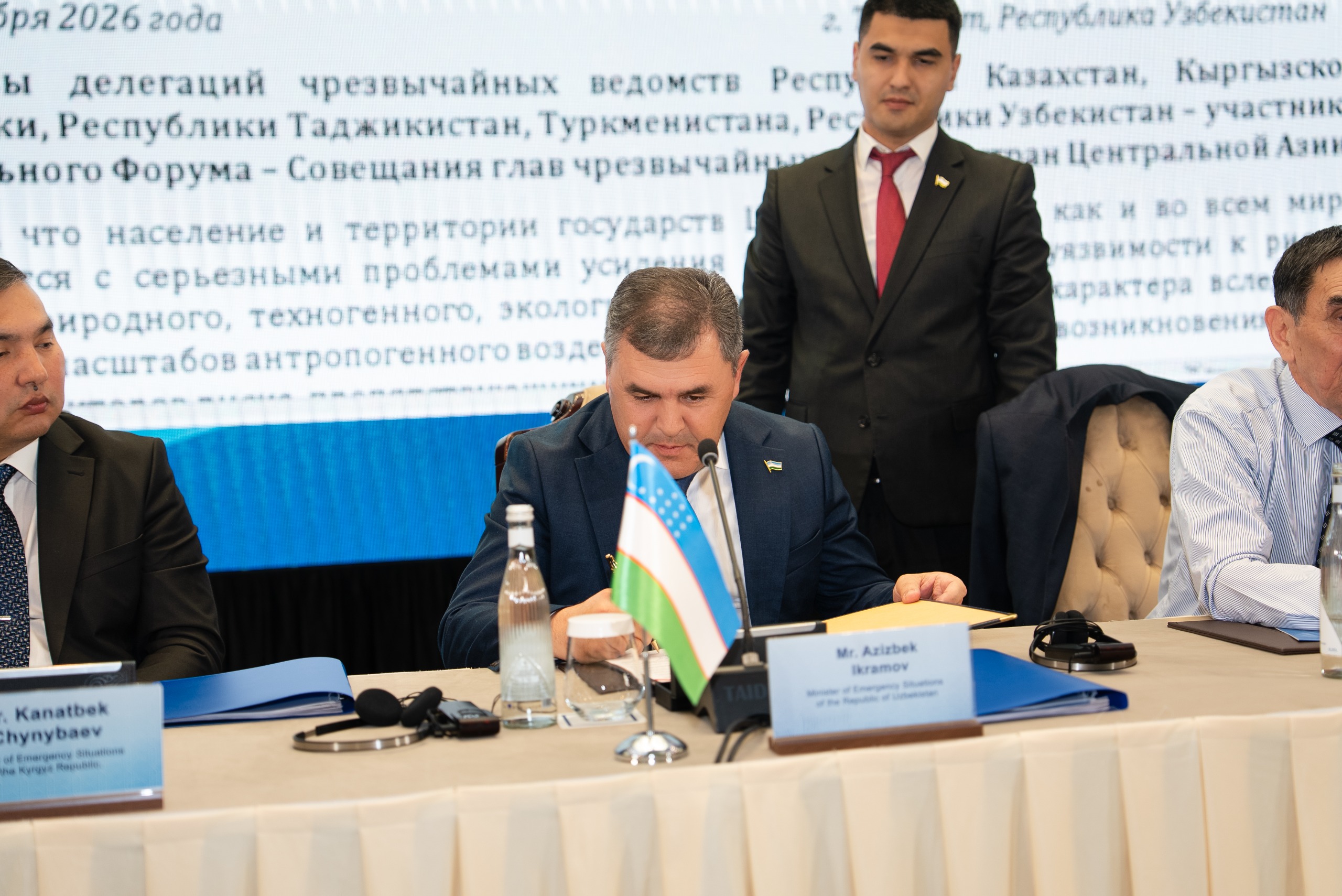
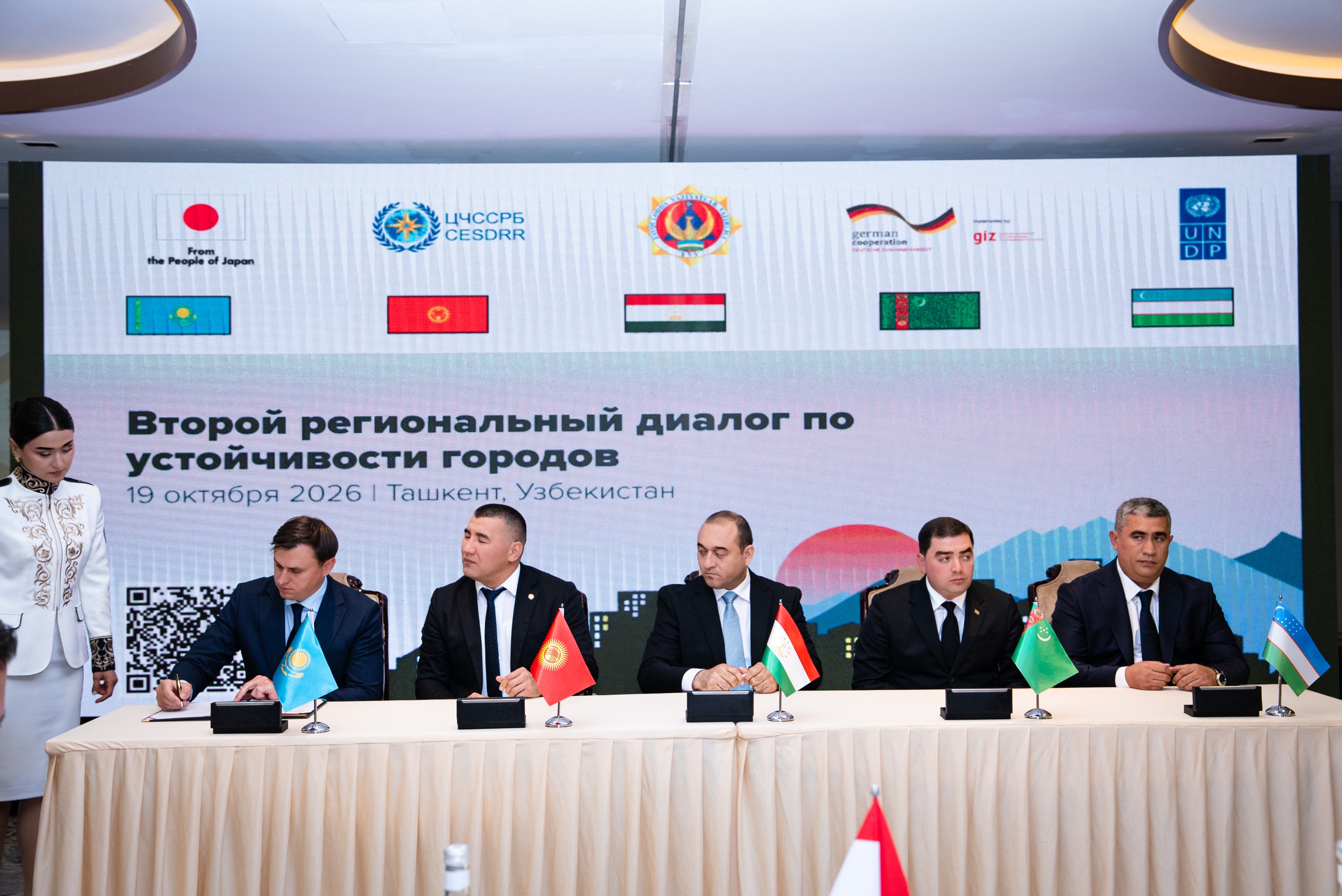
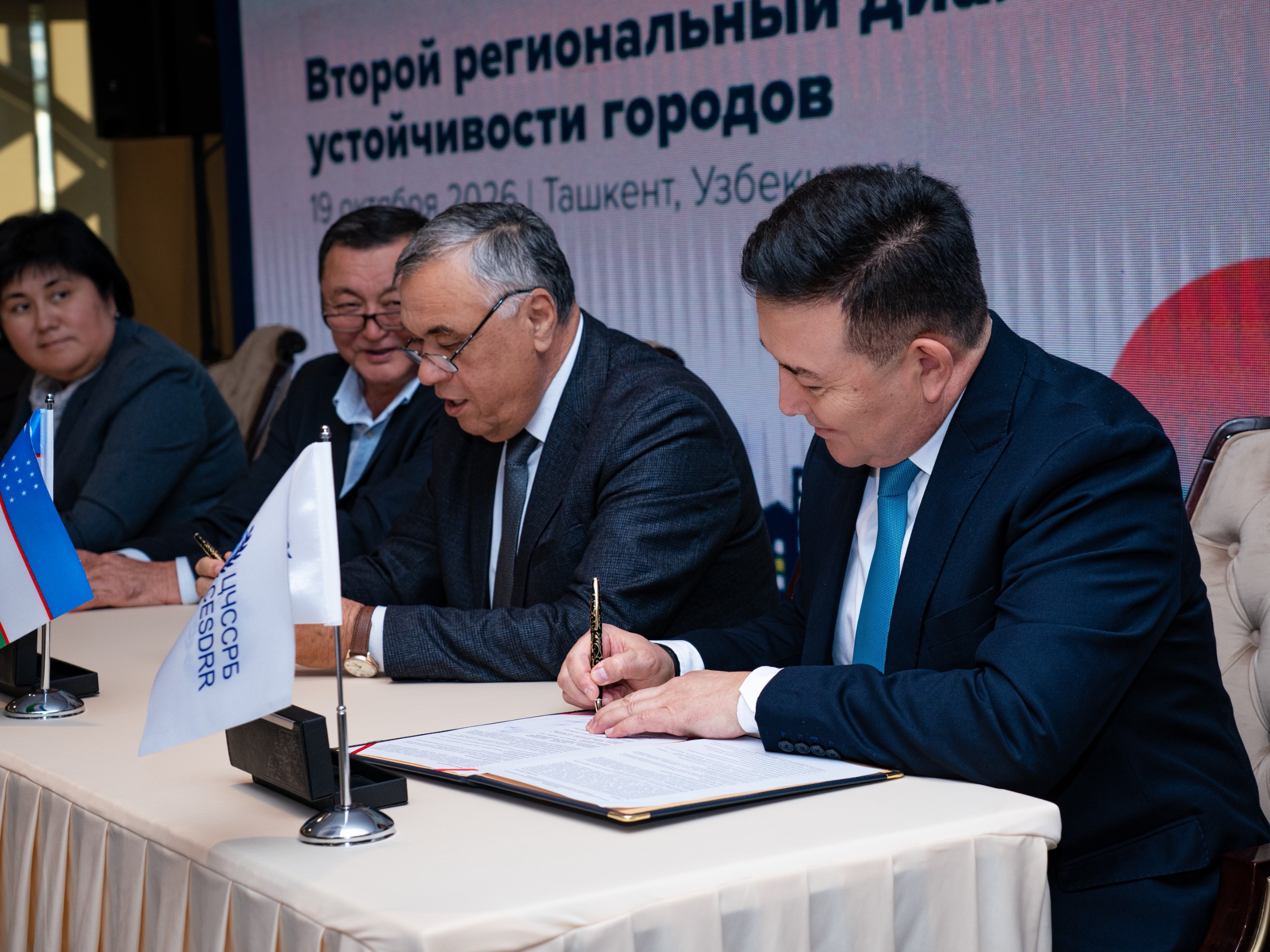
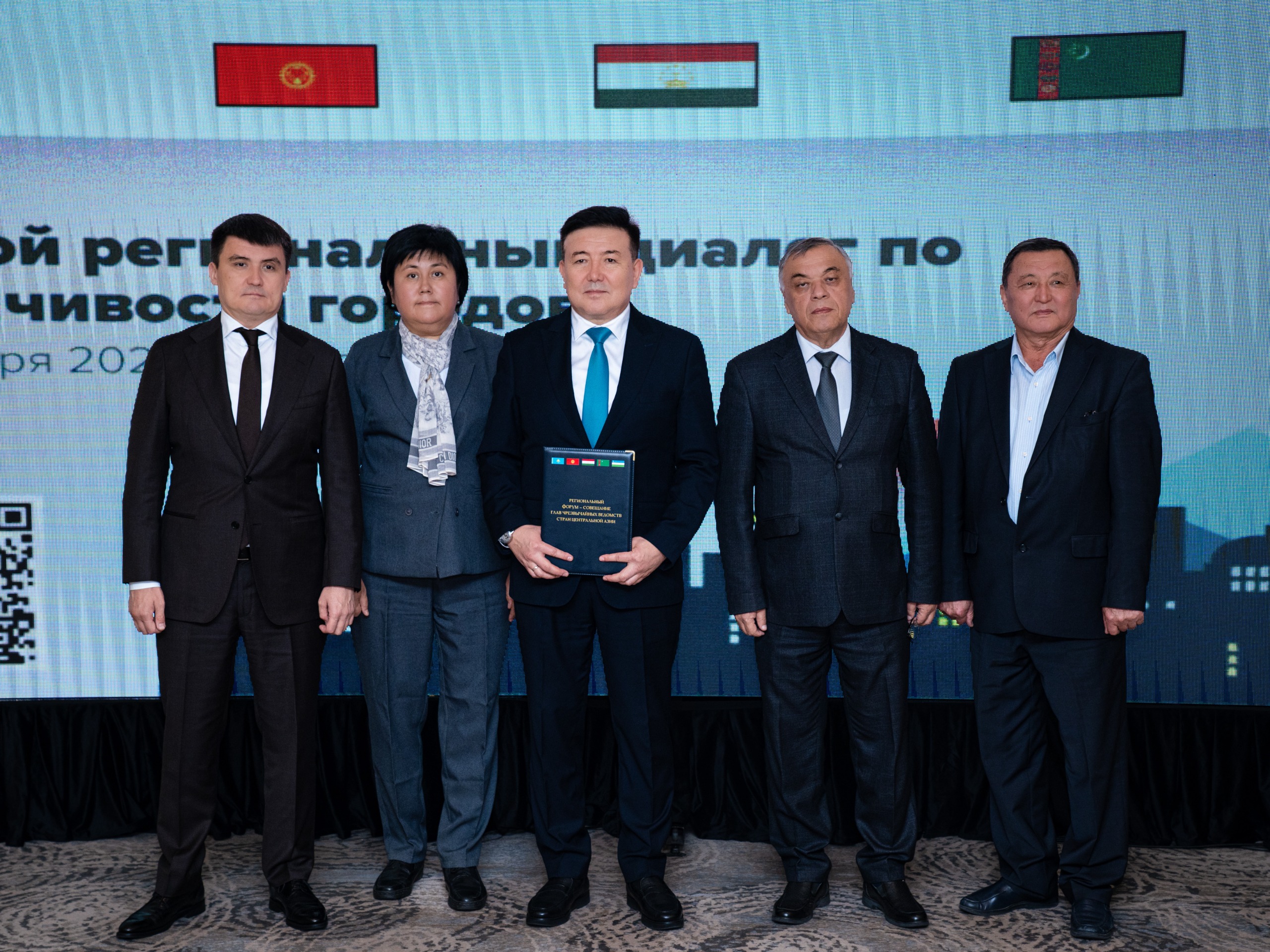
Among the key outcomes of the Forum were the signing of the Final Protocol of the Meeting of Heads of Emergency Management Authorities; a Memorandum of Understanding on Seismic Safety, Seismological Research and Earthquake Monitoring in Central Asia; and a Protocol of Intent on Strengthening Regional Cooperation to Enhance Urban Resilience to Disaster Risks and Climate Change. In addition, the Regional Roadmap for Mitigating the Consequences of Transboundary Mudflows and Floods and the Concept for Enhancing the Resilience of Central Asian Cities to Disaster Risks and Climate Change through 2030 were endorsed.
The outcomes of the Regional Forum – Meeting of Heads of Emergency Management Authorities of Central Asian Countries provide a foundation for the consistent development of regional cooperation, the implementation of agreed documents, and the advancement of joint disaster risk reduction projects.
Further efforts will focus on strengthening the institutional and technical capacities of national services, developing monitoring and early warning systems, enhancing the resilience of cities and infrastructure, improving international emergency response mechanisms, and expanding partnerships with international organizations.
The Regional Forum continues to serve as a consultative platform for aligning priorities and coordinating the efforts of Central Asian countries to protect populations and territories and promote the sustainable development of the region.
Proposals for Improving the Regional Mechanism of International Response to Large-Scale Emergencies